Why 'The Caribbean' Is Not One Destination
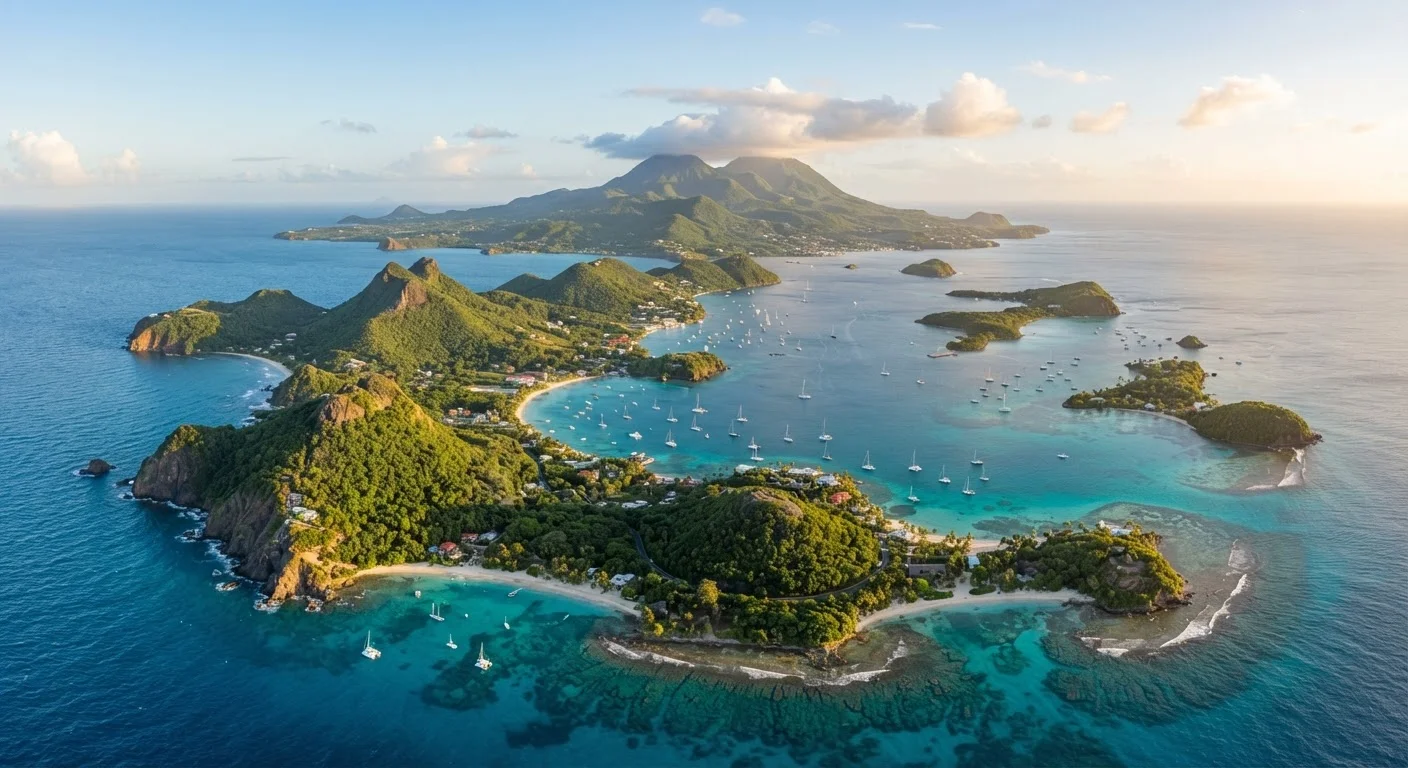
Ask a friend who just returned from the Caribbean what it was like, and you'll get a perfectly useless answer for planning your own trip. The Caribbean basin covers more than 700 islands, cays, and islets spread across nearly 1 million square miles of ocean, governed by more than 20 different nations and territories. The differences between, say, flat, coral-reef-rimmed Anguilla and jungle-draped, volcanic Dominica are as significant as the differences between the Scottish Highlands and the French Riviera.
Yet travel marketing tends to flatten it all into the same turquoise blur. Before committing to a destination, it's worth doing some genuine homework - and researching a destination thoroughly before you book is especially important in a region where the island you choose will shape almost every aspect of your experience.
Terrain and Natural Environment
The Caribbean's geology splits broadly into two categories: the volcanic arc of the Lesser Antilles and the flatter, limestone-based islands of the Greater Antilles and outer cays. That distinction matters enormously on the ground.
Volcanic islands - St. Lucia, St. Vincent, Dominica, and Montserrat among them - offer dramatic interior landscapes: cloud-forested peaks, crater lakes, hot springs, and hiking trails that rival anything in Central America. Dominica, often called the 'Nature Isle,' has virtually no flat beach to speak of, but its biodiversity and geothermal landscape are unlike anywhere else in the region. If a lounge chair on white sand is the primary goal, these islands will likely disappoint.
Flatter islands like Aruba, the Turks and Caicos, and Antigua deliver the calm, shallow-water Caribbean ideal most travelers picture. Aruba sits outside the main hurricane belt and enjoys near-constant trade winds, making it a genuinely reliable sun destination. Antigua's 365 beaches - one for each day of the year, as the local saying goes - are built on soft limestone formations that produce the powdery sand that photographs so well.
| Jamaica | Martinique | Aruba | St. Lucia | Turks & Caicos | |
|---|---|---|---|---|---|
| Terrain type | Mountainous, lush interior | Volcanic, forested | Flat, arid desert | Dramatic volcanic peaks | Flat coral cays |
| Primary language | English | French / Creole | Papiamento, Dutch, English | English / Creole | English |
| Hurricane risk | Moderate-high | Moderate | Low (south of belt) | Moderate | Moderate-high |
| Beach character | Varied - black sand to white | Varied - golden to volcanic | Calm, flat turquoise | Small, sheltered coves | Powdery white, shallow |
| Tourism infrastructure | Well-developed | French-standard | Very well-developed | Moderate | High-end, limited budget |
| Best for | Culture, music, food | Creole cuisine, diving | Sun reliability, water sports | Hiking, scenery | Snorkeling, sailing |
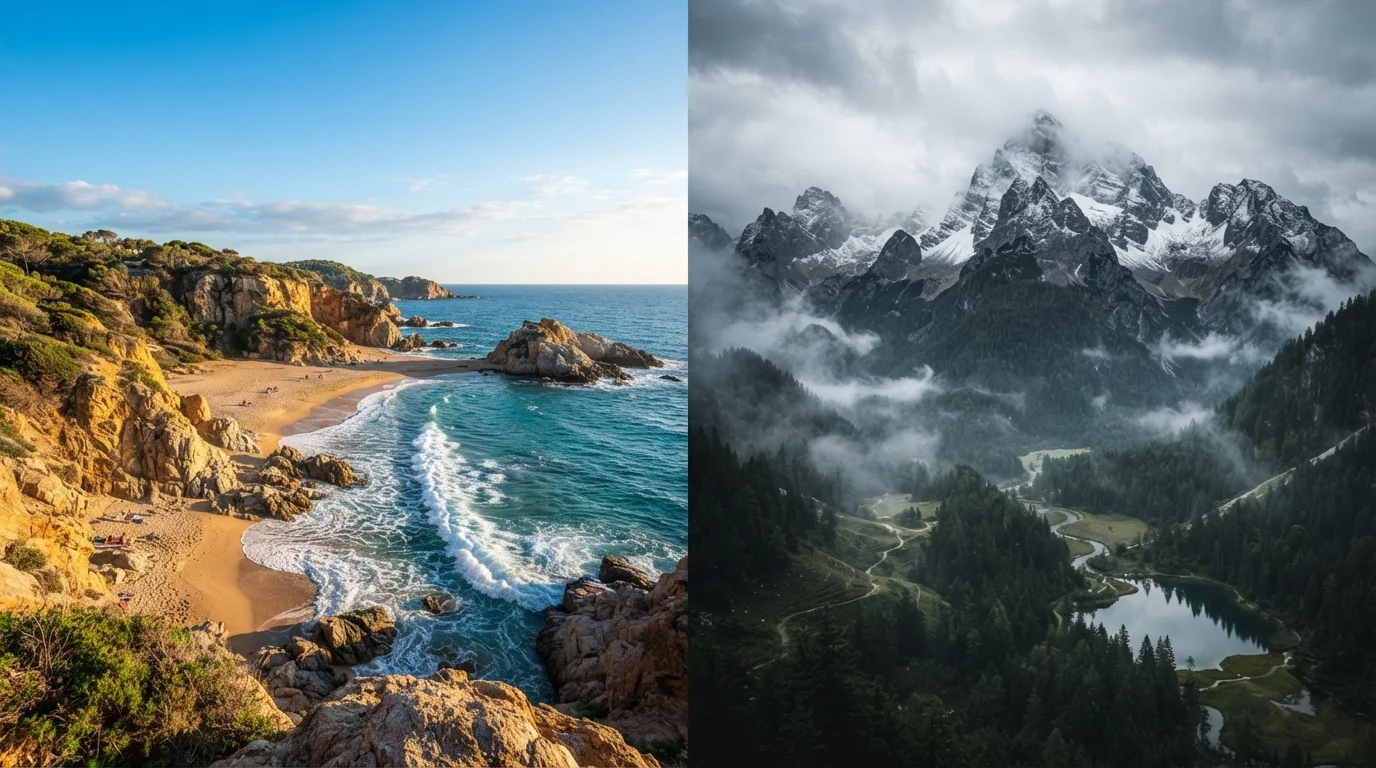
For travelers drawn to contrasting landscapes rather than a single environment, comparing coastal and mountain-style destinations can help clarify what you're actually looking for before geography narrows the choices.
Language, Culture, and Colonial Legacy
The Caribbean's colonial history produced a mosaic of languages and cultural identities that shape daily life in ways visitors often underestimate. English-speaking islands - Jamaica, Barbados, Trinidad and Tobago, the Bahamas, and most of the Eastern Caribbean's smaller islands - tend to be the most straightforward for US travelers, with menus, signs, and conversations in familiar form.
French Caribbean territories - Martinique and Guadeloupe are French overseas departments, meaning they're constitutionally part of France - operate on an entirely different register. The currency is the euro, healthcare standards match metropolitan France, and the food scene reflects serious Creole-French culinary tradition. Spanish-speaking islands (Cuba, the Dominican Republic, Puerto Rico) each carry distinct national identities despite sharing a language. Puerto Rico, as a US territory, is logistically simple for Americans - no passport required, US dollars accepted - but its culture and landscape are emphatically Caribbean, not American.
Check Currency and Entry Requirements Early
Caribbean islands use at least a dozen different currencies - from the Eastern Caribbean dollar shared by several islands, to the euro in French territories, US dollars in Puerto Rico, and local currencies elsewhere. Knowing what you'll need before arrival prevents avoidable hassle. Entry requirements, including passport validity rules and any vaccination recommendations, should always be verified through official government sources rather than travel aggregator sites, which may lag behind policy changes.
Dutch-influenced islands like Curaçao, Bonaire, and Sint Maarten add yet another layer, with Papiamentu (a Creole language blending Dutch, Spanish, Portuguese, and African languages) spoken alongside Dutch and English. Bonaire, notably, is among the world's premier shore-diving destinations - an identity that draws a very specific type of traveler.
Tourism Infrastructure and Travel Style
Infrastructure gaps between islands are significant and rarely discussed in promotional material. Larger, more tourism-dependent islands - Barbados, Jamaica, St. Maarten - have developed road networks, reliable taxis, diverse accommodation tiers, and busy international airports. Smaller islands like Bequia, Saba, or the Grenadines may have a single small airstrip (or none), limited dining options beyond guesthouses, and ferry schedules that don't bend to your itinerary.
That's not a drawback if you go in knowing it. It's actually what many independent travelers seek - the sense of having arrived somewhere that hasn't been packaged for mass consumption. But it does require a different kind of preparation. Group travel versus independent travel carries real planning trade-offs that are magnified considerably in lower-infrastructure island settings.
Healthcare access also varies sharply. Some islands have full hospital facilities; others rely on medical evacuation for serious emergencies. Travel insurance with medical evacuation coverage is particularly advisable when visiting more remote islands - always verify current conditions and coverage through official sources before departure.
Seasonality, Hurricanes, and When to Go
The Caribbean's hurricane season runs June through November, with peak activity typically from August through October. This is a region-wide reality, but its practical implications vary. Aruba, Bonaire, and Curaçao sit south of the primary hurricane track and historically see far less storm activity than islands further north. Still, no island carries a formal guarantee of hurricane immunity, and conditions change from year to year.
Travel during the shoulder months - May and November - often delivers favorable weather with fewer crowds and lower accommodation costs than the December-to-April peak. However, 'off-season' travel in hurricane-prone months carries weather risk that should be factored into trip insurance decisions.
Entry requirements, vaccination recommendations, currency, and visa rules change periodically and differ by island. Always verify current requirements directly with the relevant government authority or your country's foreign affairs department before booking - never rely solely on a travel website's cached information. This is exactly the kind of detail covered when researching unfamiliar destinations systematically.
700+
Islands, cays, and islets in the Caribbean basin
The Caribbean Sea contains more than 700 landmasses governed by over 20 nations and territories, each with distinct rules, culture, and character.
20+
Separate governing nations and territories
From independent republics to French overseas departments and US territories, Caribbean governance shapes everything from currency to healthcare standards.