The Fork in the Road Every Traveler Faces
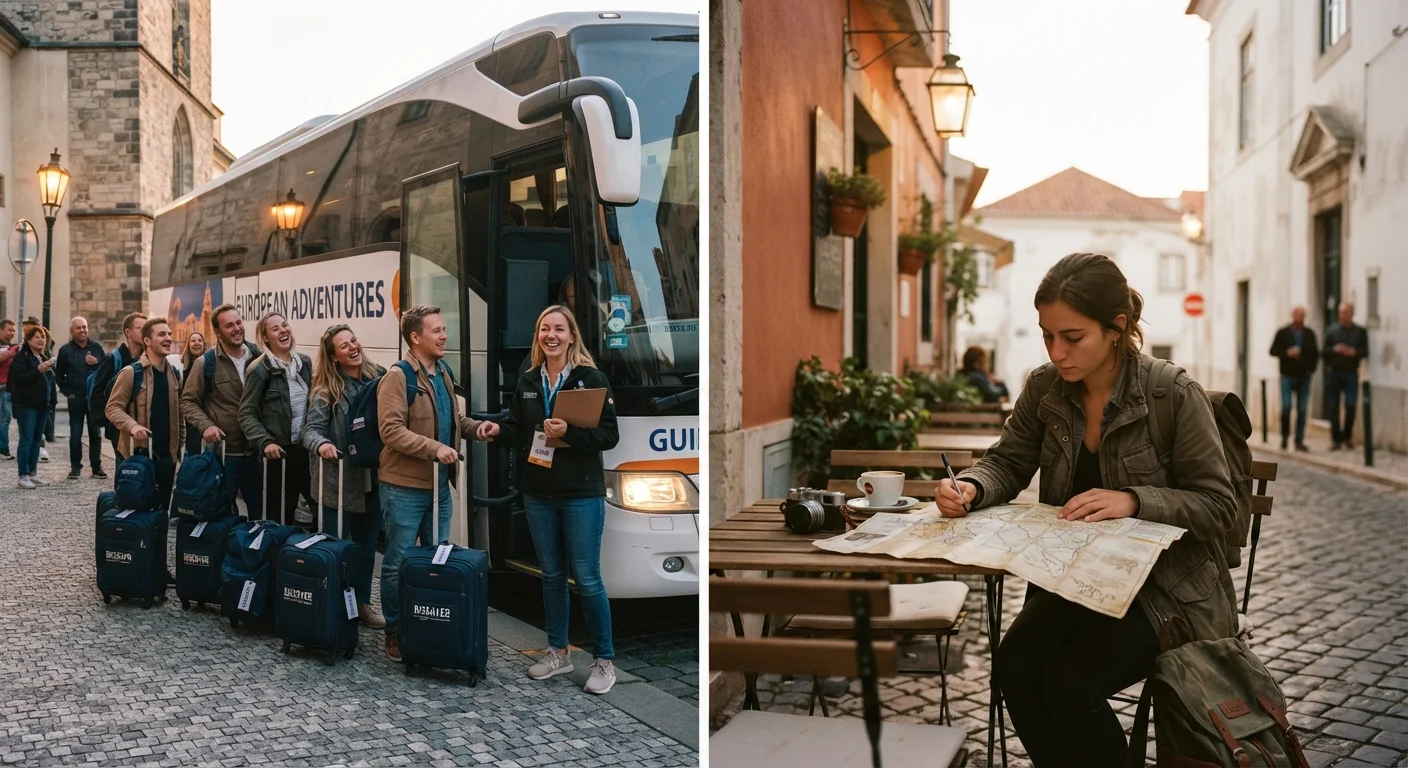
At some point, every traveler stands at the same planning crossroads: do you hand the logistics to someone else and join a group, or do you piece together your own journey, one booking at a time? It's rarely a trivial decision. The choice shapes not just your itinerary but your daily rhythm, your budget, how you'll encounter local culture, and even the kinds of memories you'll carry home.
The good news is that neither group travel nor independent travel is objectively superior. Each has a coherent logic - and understanding that logic is more useful than declaring a winner. Before diving into the specifics, it helps to think carefully about what you're actually optimizing for: cost efficiency, cultural immersion, social connection, or sheer flexibility. What authenticity means in travel is a question worth sitting with before you commit to either path.
How the Two Approaches Stack Up
The clearest way to compare these travel styles is across the dimensions that matter most to planners - cost, flexibility, social experience, and logistical effort.
| Group Travel | Independent Travel | |
|---|---|---|
| Cost predictability | Fixed, all-in pricing | Variable; requires careful budgeting |
| Flexibility | Low - fixed schedule and route | High - change plans as you go |
| Planning effort | Minimal - operator handles logistics | Significant - traveler manages everything |
| Cultural depth | Moderate - curated, accessible | High potential with preparation |
| Social experience | Built-in group dynamic | Self-directed, more solitary by default |
| Best for complex destinations | Strong advantage | Requires more research and local knowledge |
| Pace of travel | Set by itinerary - often fast | Controlled entirely by traveler |
A few of these rows deserve unpacking. The "cost" row may surprise people: group tours can deliver genuine value by absorbing accommodation, transport, and sometimes meals into a single package, spreading overheads across many travelers. But that economy comes with a fixed itinerary - you're not paying less because corners are cut; you're paying less because the operator has engineered efficiency at scale.
Flexibility, meanwhile, is where independent travel shines and group travel struggles. When a town captivates you on day three, an independent itinerary lets you stay an extra night. A group tour cannot extend for one traveler's whim. That rigidity isn't a flaw in tour design - it's structural. Experienced travelers often build buffer days into their independent plans precisely to preserve that kind of spontaneous room.
The Real Cost of Each Approach
Cost comparisons between group and independent travel are trickier than they appear. Group tours quote an all-in price that feels concrete, but independent itineraries carry hidden efficiencies too - you're not paying for a tour leader's margin, and you can time your bookings strategically. Research on flight booking timing suggests that disciplined independent travelers can capture meaningful savings on airfare alone.
On the other hand, independent travelers often underestimate incidental costs: the private taxi you need when the bus doesn't run, the booking fee for the local guide you hire on arrival, or the night in a more expensive hotel because your preferred option was full. Group tours largely eliminate that variance - what you see is close to what you pay.
Consider a Hybrid Approach First
If you're uncertain which style suits you, consider booking an independent framework - your own flights and accommodation - while selectively joining one or two guided activities on the ground. This preserves flexibility while giving you a safety net of structured experience. It's a lower-risk way to test independent travel without committing to total self-sufficiency from the start.
For destinations with complex logistics - remote safari regions, countries requiring specialized visas, or areas with limited English-language infrastructure - group tours can actually reduce total cost by eliminating expensive mistakes. Thorough destination research before you book helps clarify which category your destination falls into.
Experience Quality and the Depth Question
Perhaps the most contested dimension is the quality of experience each model produces. Group travel critics point to the pace: a 12-day European tour covering seven countries leaves little room for lingering, and that rushed feeling is one of the most common complaints travelers reflect on afterward. Structured itineraries prioritize breadth, which suits some travelers and frustrates others.
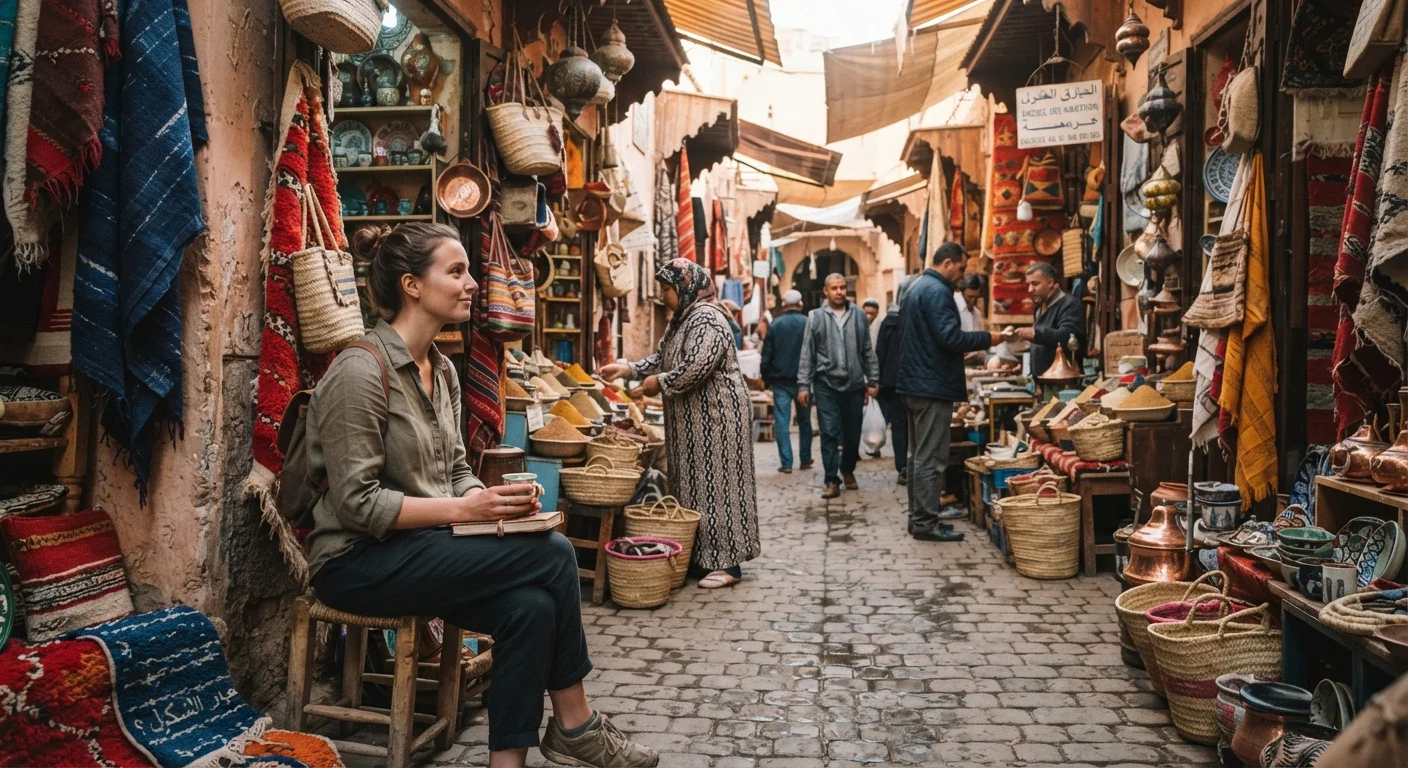
Independent travel, by contrast, allows for depth - spending a full day in one neighborhood, eating where locals eat, and following curiosity rather than a coach schedule. But depth requires preparation. An independent traveler who hasn't researched transport options, opening hours, or local customs may find themselves with lots of freedom and very little to fill it meaningfully. The distinction between guided tours and immersive experiences is worth understanding here - some group-format activities deliver genuine depth, while some independent activities remain purely surface-level.
~70%
Solo travelers citing social connection as a key concern
Travel industry surveys consistently find that social isolation is among the top concerns reported by first-time solo travelers when weighing trip formats.
7-10 countries
Average destinations covered on a 14-day group tour
Multi-country group itineraries in regions like Europe commonly cover this range, averaging roughly one to two days per country.
The social dimension matters too. Group tours guarantee company - sometimes a relief for solo travelers, occasionally a source of friction. Independent travel offers solitude by default, with social connection coming from intentional choices: a hostel common room, a cooking class, a homestay arrangement.
Finding Your Approach - or Blending Both
The most practical takeaway from any honest group-vs.-independent comparison is that the binary itself is somewhat false. Many experienced travelers operate in a hybrid mode: they book their own flights and accommodation, preserving independence on the macro level, then opt into a structured day tour or guided activity when local expertise adds clear value - a historical walking tour, a cooking class, a wildlife excursion that requires permits and specialist knowledge.
If you're stepping outside package travel for the first time, the first-time independent traveler's roadmap offers a useful starting framework. And if the destination itself is unfamiliar territory, investing time in pre-trip destination research - covering entry requirements, cultural norms, and transport realities - often makes independent travel far less daunting than it initially seems.
Ultimately, the best travel style is the one that matches your honest self: your tolerance for uncertainty, your appetite for social engagement, your budget, and what you actually want to feel at the end of the trip.
This article provides general travel planning information for educational purposes. Entry requirements, visa rules, and local conditions change - always verify current details with official government sources and providers before booking.