Why the Research Looks Different for Unknown Destinations
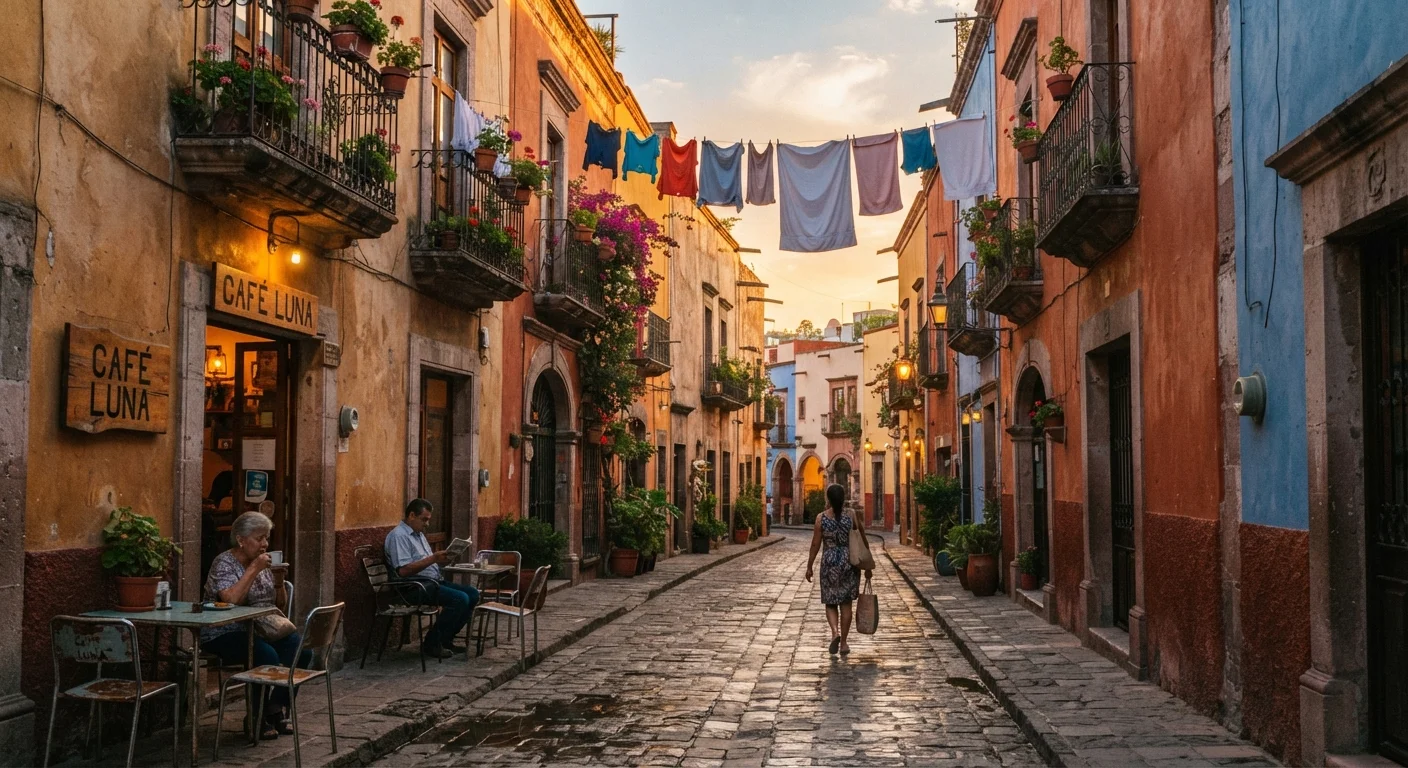
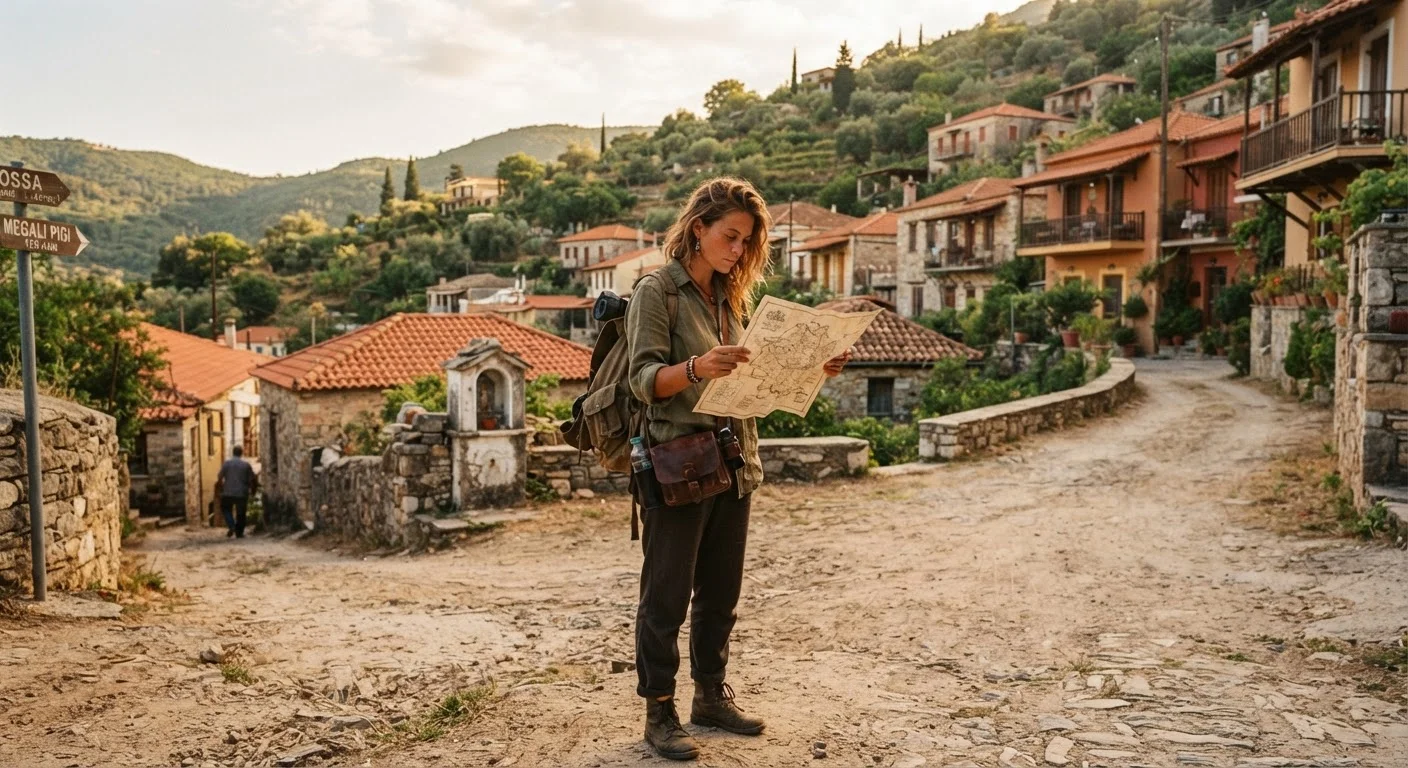
There's a particular kind of excitement that comes with choosing a destination that doesn't appear on the covers of travel magazines - a town in a remote region, a country most acquaintances can't locate on a map, a place whose name generates a single search result page rather than ten. That excitement is real and worth pursuing. But the research that underpins it requires a different approach than planning a trip to a well-documented city.
Mainstream travel writing - guidebooks, major publications, travel influencer content - clusters heavily around a relatively small number of destinations. The further you drift from that cluster, the thinner and less reliable the English-language coverage becomes. This doesn't mean the destination is inaccessible or unsafe. It means the information exists in different places, in different languages, in different formats, and requires more deliberate effort to find and evaluate.
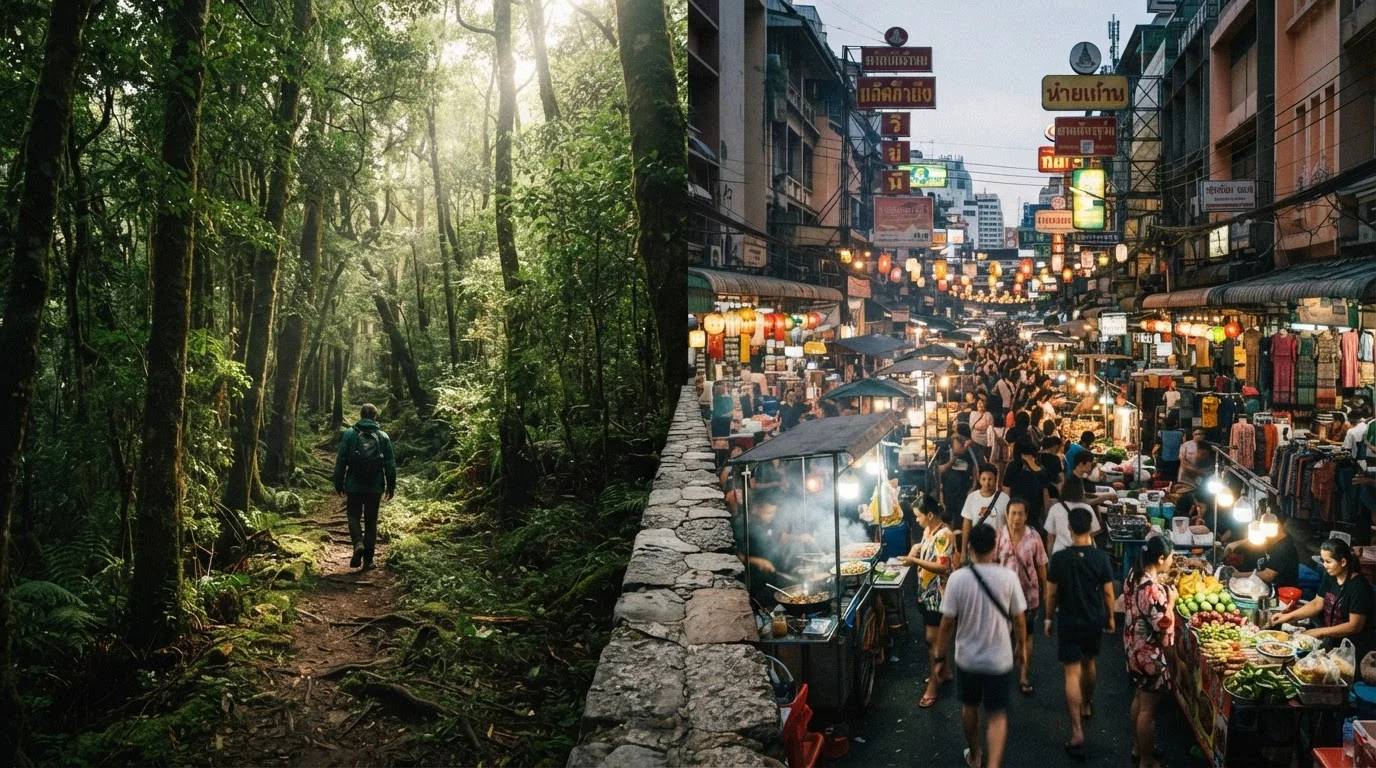
The good news is that the research itself becomes part of the experience. Understanding a place before you arrive - its geography, its rhythms, the concerns and considerations that locals actually think about - gives you a foundation that transforms the trip from a tourist visit into something closer to genuine encounter. For travelers curious about what that depth of preparation can unlock, our look at wilderness immersion versus urban exploration explores how different approaches to knowing a place produce fundamentally different experiences.
Government travel advisory portal (e.g. travel.state.gov for US citizens)
Provides official safety ratings, entry requirements, and health notices for destinations worldwide.
Web browser with built-in translation
Allows you to read local-language tourism sites, forums, and news sources without fluency in the destination language.
Regional or country-specific travel forums
Surfaces firsthand accounts from recent travelers and expats with on-the-ground knowledge of obscure destinations.
Offline maps application
Lets you download destination maps for use without mobile data - essential in areas with limited connectivity.
Translation app with offline language packs
Supports real-time communication in the field when signage, menus, or locals use only the local language.
How to Research - Step by Step
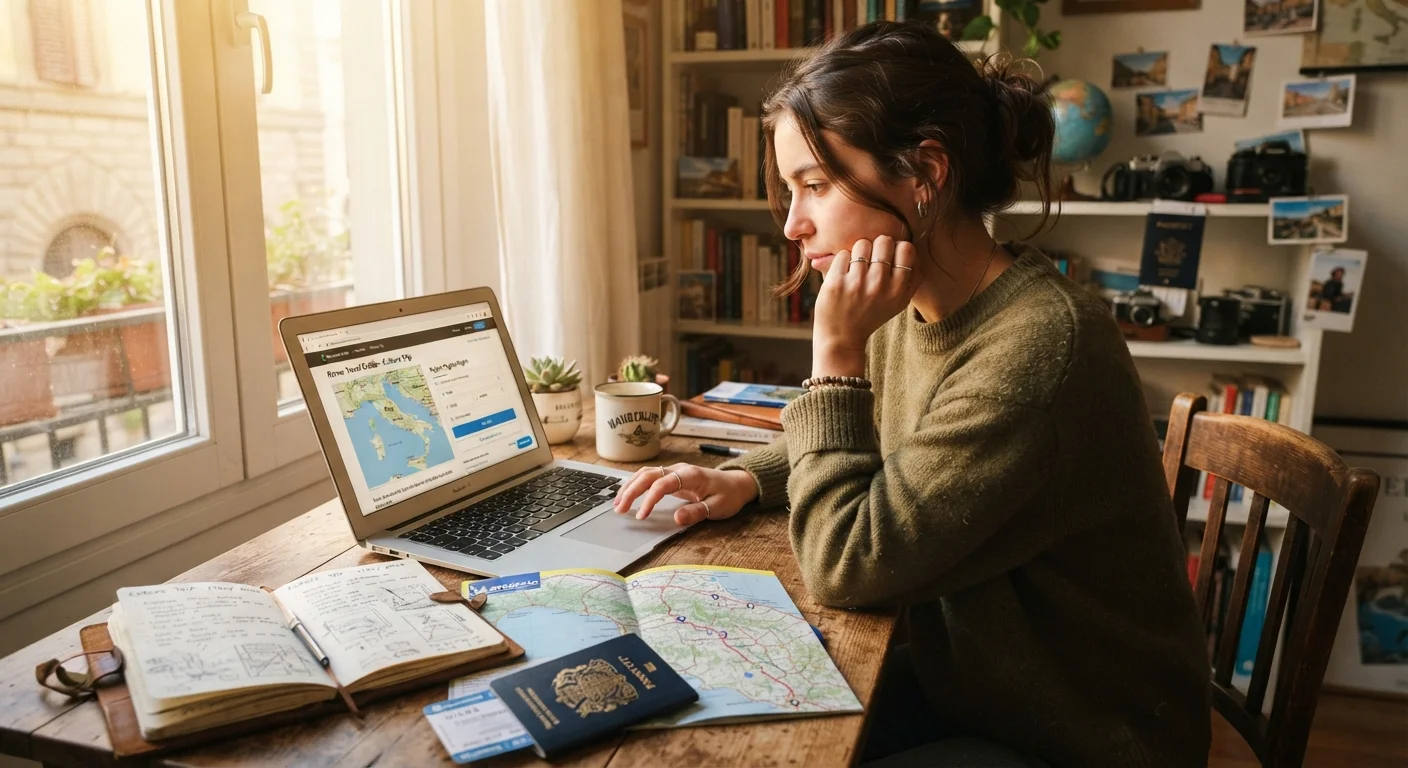
The steps below build on each other, moving from authoritative official sources outward toward community knowledge, cultural context, and practical logistics. Work through them in order, but treat each as iterative - new information in a later step often sends you back to refine what you gathered earlier.
What you will need
Start with official sources to establish a safety and entry baseline
Before any research gets creative, anchor it in authoritative information. Check your government's official travel advisory portal - for US citizens, that's the State Department at travel.state.gov - for the destination country or region. These advisories communicate safety conditions, visa and entry requirements, health precautions, and emergency contact information. They're updated regularly and should be treated as a floor, not a ceiling, for your planning.
Cross-reference with the destination country's own official tourism body if one exists. Even if the site isn't in English, a browser's built-in translation can render enough to extract key details about required documentation, restricted zones, or seasonal access limitations. Always verify entry requirements directly with official sources before booking, as rules can change.
Search beyond English-language travel media
The most honest accounts of unfamiliar destinations rarely live in mainstream travel publications. Use browser translation to explore local tourism boards, regional newspapers, and travel blogs written in the destination's primary language. Search for the place name in that language - even a rough phonetic approximation fed into a translation tool can surface results that an English-only search entirely misses.
Regional travel forums in languages like Spanish, French, Portuguese, Russian, or Chinese often cover swaths of the world that English-language guides treat as blank space. The practical detail buried in those threads - road conditions, transport schedules, seasonal closures - is frequently more current than any published guidebook.
Locate expat and diaspora communities online
People who have lived in or near your destination - whether expats, returning travelers, or members of diaspora communities - carry knowledge that no published source replicates. Online forums, subreddits dedicated to specific countries or regions, Facebook groups for expats, and travel communities organized around particular languages or cultural interests are all worth searching systematically.
When posting questions in these communities, be specific. Asking about a named town, a particular road route, or a specific time of year yields far more useful responses than broad inquiries. Treat responses as lived perspective rather than verified fact, and look for convergence across multiple contributors before acting on practical advice.
Build cultural context deliberately
Logistics get you to a place; cultural understanding shapes what you do once you're there. For destinations with limited English coverage, this context often has to be assembled from multiple formats: academic articles, documentary film, literature in translation, oral history projects, and museum resources can all fill gaps that travel writing leaves open.
Pay particular attention to social customs, religious or ceremonial calendars, dress norms, and any significant historical events that shape local attitudes toward outsiders or tourism. Understanding these dimensions before arrival isn't just respectful - it fundamentally changes the quality and depth of the experience you're likely to have. See how neighborhood immersion changes the way you travel for a look at what that kind of preparation makes possible.
Map practical logistics using region-specific tools
General travel apps often have sparse or unreliable coverage for truly unfamiliar destinations. Research which mapping, transport, and accommodation tools are actually used within the region - these vary significantly by country and are often not the same platforms that dominate in North America or Western Europe.
Download offline maps before departure. Research the realistic transport options between the places you intend to visit - whether that's intercity buses, shared taxis, ferries, or local rail - and understand typical journey durations, as they may differ substantially from what online route planners suggest. If driving is part of the plan, road conditions, fuel availability, and local traffic law are all worth investigating in advance.
Synthesize and identify remaining knowledge gaps
Once you've gathered from multiple source types, compile what you know and - equally important - what you still don't know. A simple written summary organized by category (safety, entry, transport, accommodation, culture, language) can reveal whether you're drawing from a broad base of evidence or relying too heavily on a single source type.
Gaps aren't a reason to abandon a destination; they're a signal about what questions to prioritize before departure and what to stay alert to on the ground. The most prepared traveler isn't the one who has answered every question in advance - it's the one who knows which questions remain open. For a broader framework on pre-trip research, researching a destination thoroughly before you book covers the full planning arc from visa rules to local transport.
Always Verify Safety and Entry Information Officially
Travel conditions, visa rules, and health requirements for unfamiliar destinations can change rapidly and may not be reflected in community forums or travel blogs. Always confirm safety advisories and entry requirements through your government's official travel portal and the destination country's official embassy or consulate information before booking or departing. Do not rely on secondhand accounts for information where accuracy is safety-critical.
Talk to People Who've Actually Been There
No amount of desk research fully replaces a conversation with someone who visited recently. If you can connect with even one traveler who has been to your destination in the past year - through a forum, a travel community, or a personal network - a short, specific conversation can surface practical details that hours of online searching won't. Ask targeted questions about logistics, not general impressions.
Once you've worked through these steps, you'll likely find that your picture of the destination is more nuanced - and more honest - than anything a single guidebook could provide. The habits seasoned travelers quietly rely on often come down to exactly this kind of layered, source-diverse preparation done before departure.
Outdated Information Is a Real Risk
For destinations with limited English-language coverage, much of what appears online may be years old. Guidebook entries, forum posts, and even some official tourism pages are frequently not updated to reflect current conditions. Always check the publication or posting date of any source, and prioritize the most recent firsthand accounts you can find.
If you're approaching independent travel for the first time and want a broader planning framework, the First-Time Independent Traveler's Roadmap offers a comprehensive starting point. And before you finalize any plans, things to verify before you assume your destination is safe to visit is a useful pre-departure checklist that complements the research approach described here.