A Word That Does a Lot of Heavy Lifting
"Authentic." It appears on tour brochures, in travel memoirs, and in nearly every conversation about what separates meaningful travel from mere sightseeing. It promises something unfiltered, unstaged, and real - the antidote to mass tourism and curated experience. But the more you press on it, the more the word resists definition.
Who decides what counts as authentic? The traveler who arrived last week? The local community that lives there year-round? The government tourism board that shapes the national image? The answer matters, because the assumptions baked into "authenticity" - that certain experiences are real while others are fake, that some neighborhoods are worth visiting while others have been ruined - carry real consequences for places and people.
This article doesn't argue that authenticity is meaningless. It argues that the word is doing more work than most travelers realize, and that examining those assumptions leads to richer, more respectful travel. See how these ideas connect with what slow travel actually prioritizes when it comes to depth over distance.
Myth
Authentic travel means avoiding anywhere tourists go. If other visitors are present, the experience has been contaminated.
Fact
Popularity doesn't equal inauthenticity. Many deeply meaningful cultural sites, markets, and traditions attract visitors precisely because they are genuinely significant.
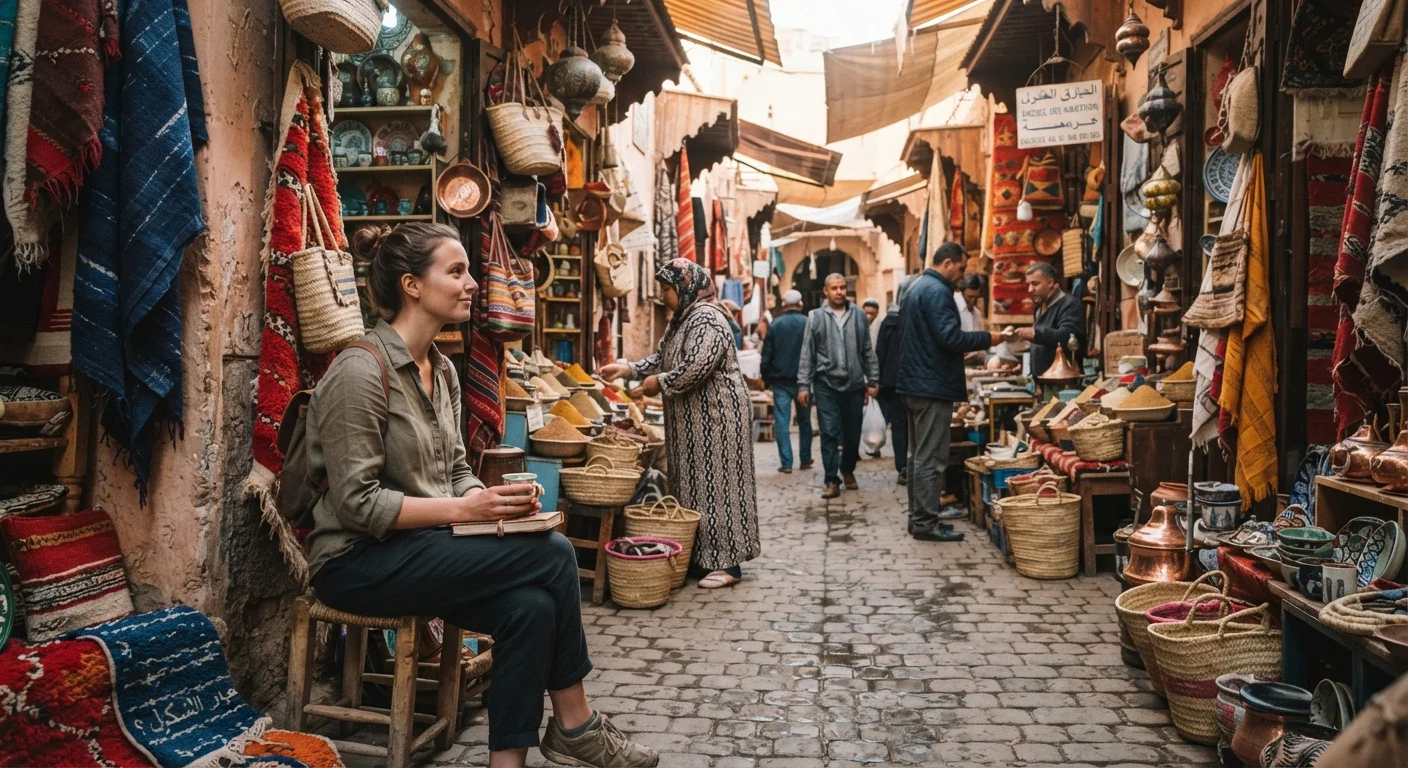
The logic that tourists ruin authenticity rests on a contradiction: the moment you arrive, you become part of the crowd you're trying to escape. More importantly, it treats local communities as static exhibits rather than living, adaptive cultures. A centuries-old festival doesn't lose meaning because outsiders attend it. A family-run restaurant isn't less genuine because it appears on a travel guide. What matters more is how travelers engage - with respect and curiosity rather than entitlement - than whether they're the only outsider present.
Myth
Staying with a local family - a homestay, for example - guarantees a more authentic experience than a hotel.
Fact
Homestays can offer genuine cultural exchange, but the experience varies enormously and isn't automatically more "real" than other accommodation types.
The assumption that proximity to local life equals cultural insight oversimplifies what exchange actually requires. A homestay where the traveler barely interacts with the family, or where the family has adapted their home into a de facto guesthouse, may offer less genuine connection than a well-run locally owned hotel whose staff takes time to share their city's history. Homestays come with real trade-offs that are worth understanding honestly before booking.
Myth
Authentic culture is traditional culture. Anything modern, commercial, or changed by outside influence is a diluted version of the real thing.
Fact
Cultures evolve continuously. Treating only pre-modern or pre-tourist expressions as genuine denies communities the right to change on their own terms.
This myth has a long and uncomfortable history. The idea that "real" cultures are frozen in time - that a weaver using synthetic dyes is less authentic than one using plant-based ones, or that a musician incorporating electric instruments has sold out - is a form of essentialism that tends to be applied selectively to non-Western communities. It positions the traveler as the arbiter of cultural validity, which is precisely backwards. Communities adapt, borrow, and innovate. That process is culture, not the corruption of it.
Myth
Volunteering abroad is one of the most authentic ways to travel, because you're giving back rather than just consuming.
Fact
The impact of volunteer travel depends heavily on structure, skill-matching, and community need - good intentions don't automatically produce good outcomes.
The appeal of voluntourism is real: it feels like a way to move beyond passive tourism toward genuine contribution. But the relationship between traveler intentions and community benefit is complicated. Short-term unskilled volunteers can sometimes displace local workers, disrupt ongoing projects, or create dependency rather than capacity. A balanced look at when volunteer travel helps and when it harms is essential reading before signing up for any program.
Myth
Speaking the local language - even a few phrases - makes your travel more authentic. Language barriers mean you're missing the real experience.
Fact
Language effort shows respect and opens doors, but meaningful cultural exchange happens across language barriers all the time. Fluency isn't a prerequisite for genuine connection.
Learning even a few words of a local language is genuinely worthwhile - it signals effort and goodwill, and locals almost universally appreciate it. But elevating language ability into a benchmark for authentic experience creates an unnecessary hierarchy. Plenty of profound travel moments occur through shared meals, shared labor, gestures, laughter, and simply being present together. The quality of attention and respect a traveler brings matters far more than their vocabulary.
What Authentic Travel Actually Looks Like in Practice
Strip away the marketing language and authentic travel tends to share a few common threads: genuine curiosity about a place and its people, willingness to be uncomfortable or uncertain, and a posture of listening rather than consuming. It's less a checklist of activities and more a quality of attention.
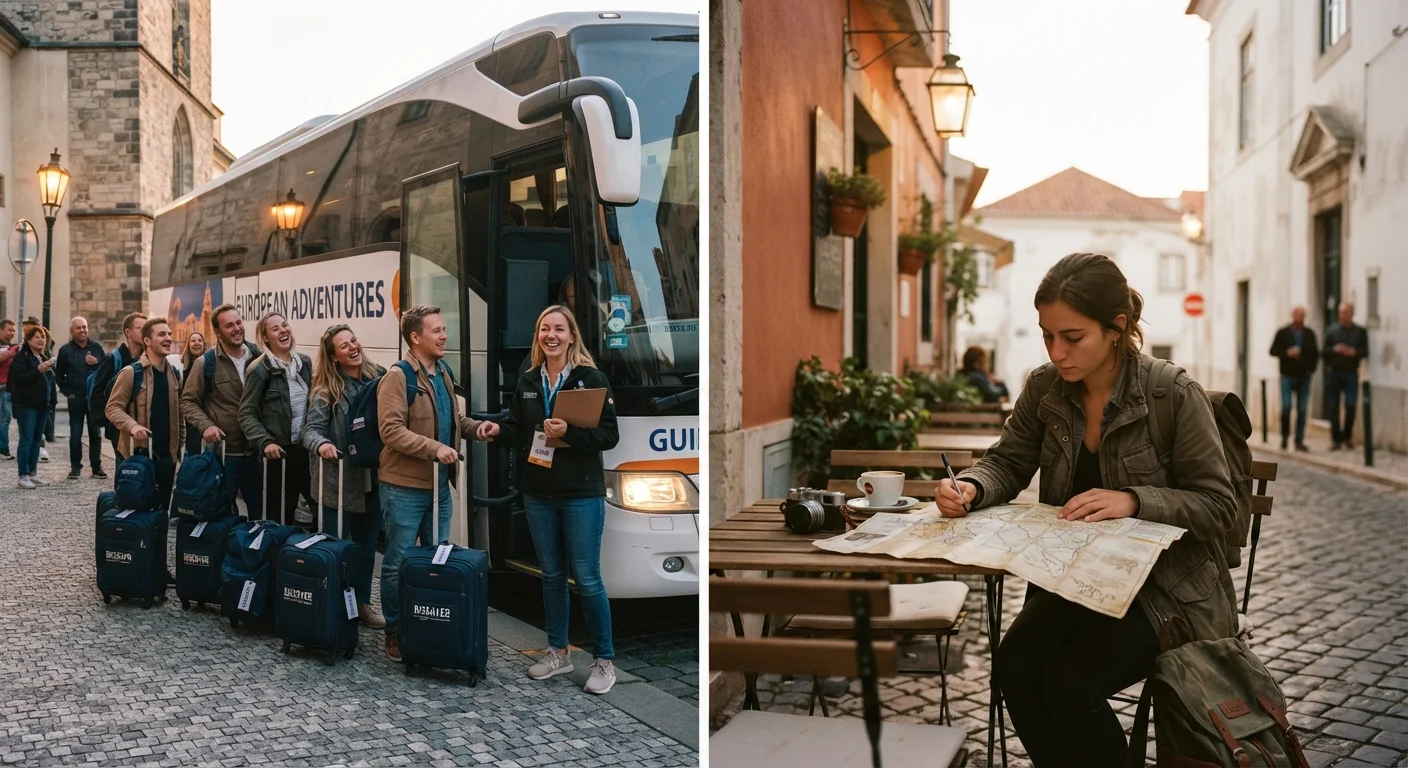
That quality of attention can happen on a guided group tour just as readily as on a solo backpacking trip - and it can be entirely absent from either. Group travel and independent travel each have genuine trade-offs worth understanding before assuming one is inherently more meaningful than the other.
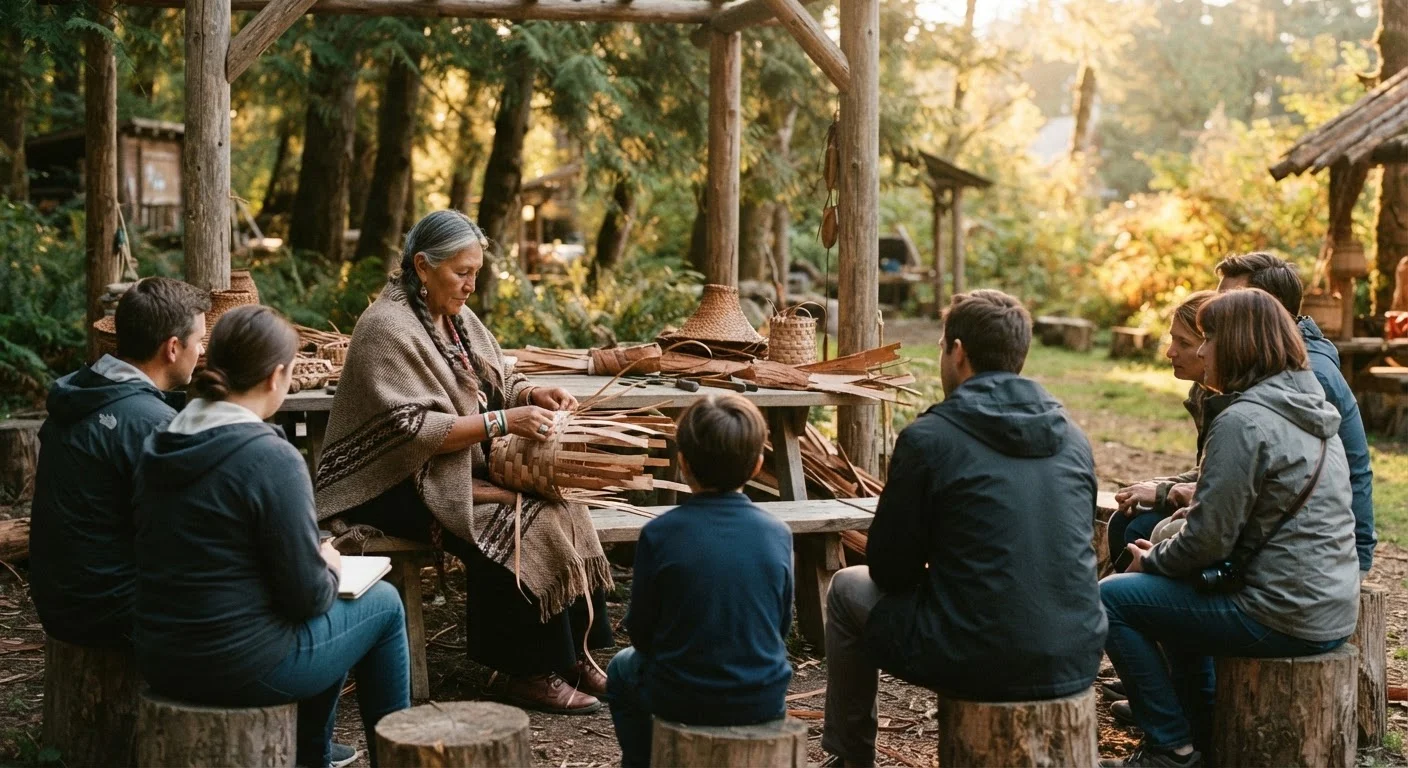
It also requires honesty about the traveler's own position. Visitors bring their own cultural frameworks to every experience, and acknowledging that - rather than pretending to "go native" - is itself a form of integrity. When travelers seek immersive cultural experiences, particularly with Indigenous or traditionally marginalized communities, the stakes rise further. Engaging respectfully with Indigenous cultural experiences demands more than good intentions; it requires research, humility, and deference to community-led guidance.
70%
Travelers seeking local cultural experiences
Roughly 70% of travelers surveyed by Booking.com in recent years indicated that experiencing local culture and customs was among their primary travel motivations.
1 in 3
Tourism jobs held by women globally
According to the World Tourism Organization, approximately one in three tourism sector jobs worldwide is held by women, highlighting the economic stakes of how travelers spend within local economies.
Ultimately, authentic travel is probably better understood as a practice than a destination. It's something you bring to the journey rather than something you find waiting at the end of it - and recognizing that distinction changes the entire way you plan and move through a place.