
The Itch to Move - and Why Some Travelers Stop Scratching It
Most travel advice is quietly organized around motion. See more, do more, go more. The ideal itinerary, by this logic, is the one that leaves no hour unscheduled and no landmark unphotographed. You come home exhausted but impressed with yourself.
Slow travel pushes back on that model entirely. Its core premise is simple: you cannot really know a place in two days, and knowing a place - even a little - is more satisfying than surveying it. The philosophy asks travelers to resist the checklist and instead ask a different question: What would it feel like to actually live here for a while?
That question changes everything about how you plan, where you stay, and what you do between the things worth doing. For practical travel planning tips that complement this mindset, the framing matters as much as the logistics.
What Slow Travel Looks Like in Practice
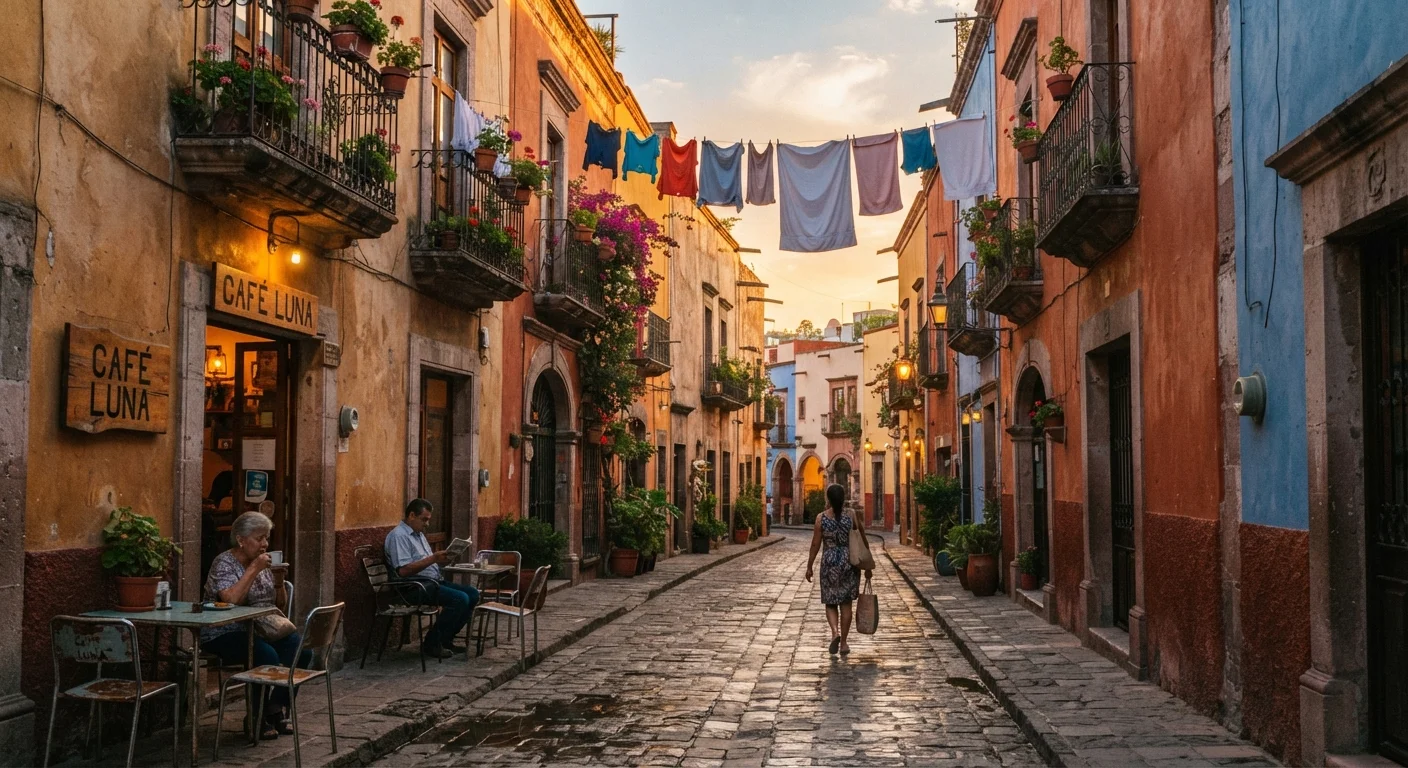
The mechanics of slow travel are less exotic than they sound. You pick a place - a city, a town, a region - and you stay long enough to develop a routine. You find a coffee shop you return to. You learn which market opens on which days. You recognize the neighbors. You stop consulting a map every time you leave the door.
That ordinariness is the point. Routine is how locals experience place, and approximating it, even briefly, shifts the traveler's relationship to a destination from spectator to something closer to participant. This is the territory that neighborhood immersion explores in depth - staying in residential areas rather than tourist centers as a way of seeing what most visitors never do.
Start Small: One Fewer Stop Per Trip
You don't have to overhaul your entire travel style at once. A practical entry point into slow travel is simply removing one destination from your next itinerary and redistributing that time across the places you keep. The extra days tend to transform how the remaining stops feel - roomier, less pressured, more open to the unexpected.
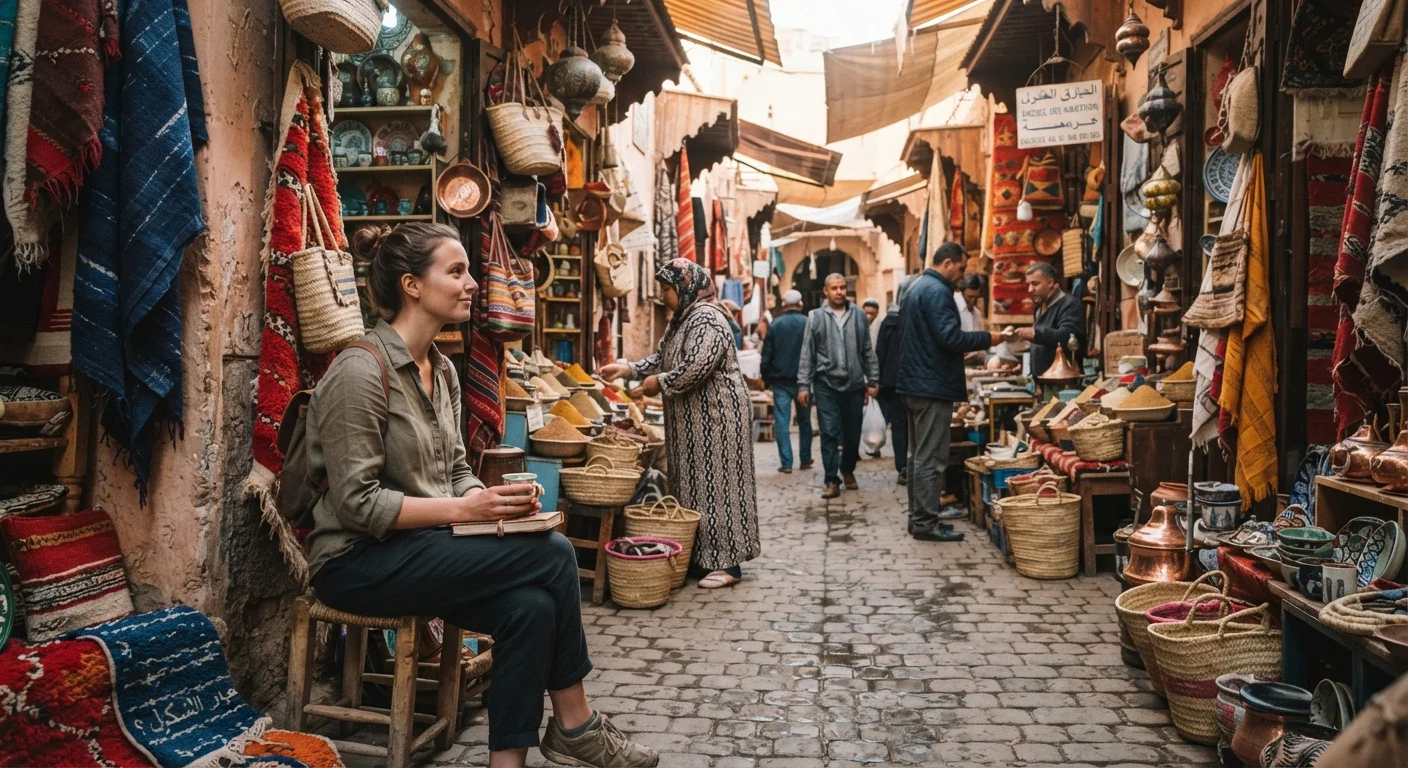
Slow travel also tends to reframe what counts as a good day. A morning spent reading at a market, getting lost in a residential quarter, or striking up a long conversation over lunch can feel more memorable - and more genuinely connected to the place - than a full day of museum hopping.
How It Differs from Conventional Tourism
Conventional tourism is largely organized around attractions: things you go to see, experience briefly, and move on from. The value is in accumulation - more countries, more landmarks, more stamps in the passport. There's nothing inherently wrong with that approach, but it operates on a different logic than slow travel.
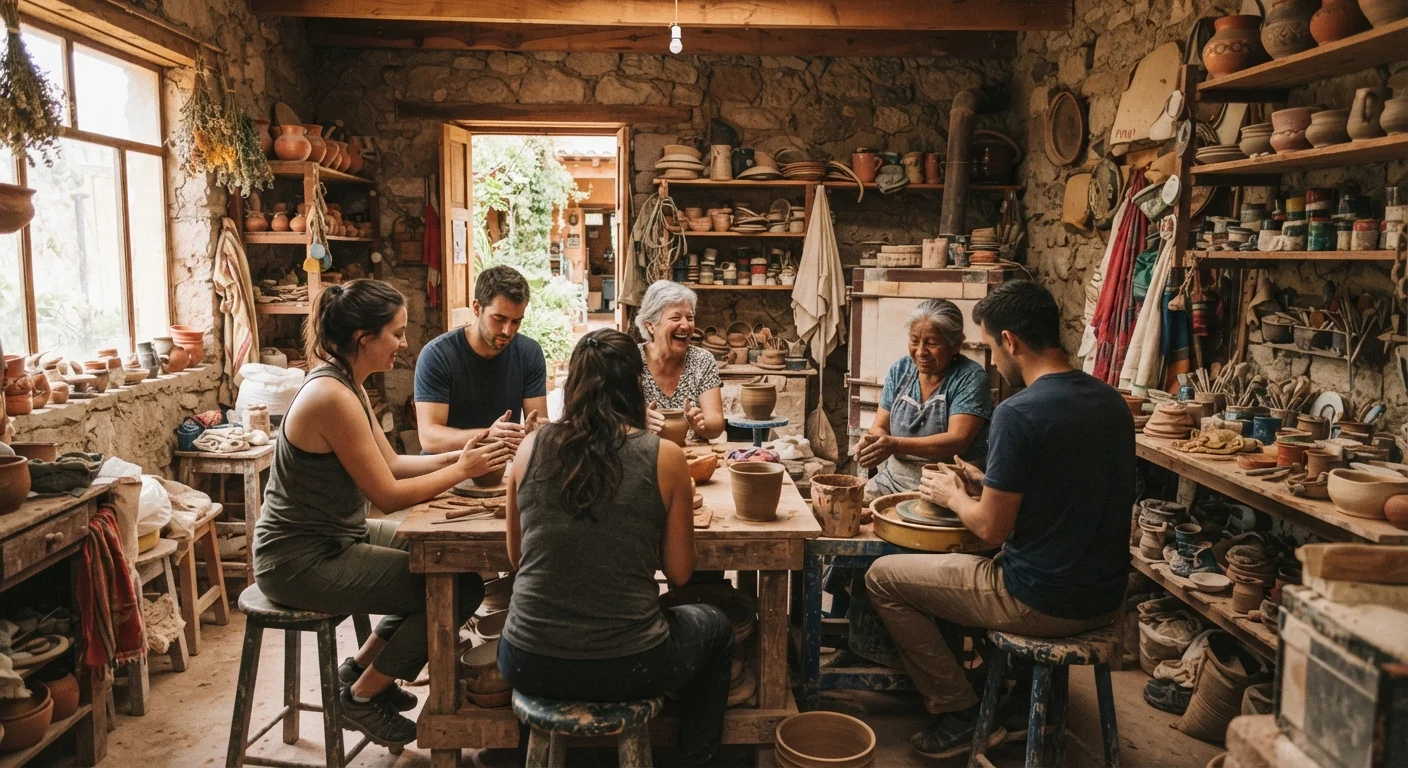
Where conventional tourism often asks what should I see here?, slow travel asks what is it actually like to be here? That distinction shapes every decision. It's worth considering how guided tours differ from immersive experiences - because slow travel aligns far more naturally with the latter.
67%
Travelers who prefer experiences over sightseeing
A 2023 report by Skift Research found that a majority of surveyed travelers said they prioritize meaningful experiences over checking off attractions when choosing how to spend their time abroad.
2-3x
Longer average stay for slow travelers vs. typical tourists
Travel researchers studying long-stay tourism patterns have noted that travelers explicitly adopting a slow travel approach typically remain in a single destination two to three times longer than the conventional tourist average for that location.
Slow travel also tends to be less performative. Without the pressure to document every landmark, there's more room for the accidental, unplanned moments that tend to become the stories travelers actually tell when they get home.
A Few Things Slow Travel Is Not
Slow travel is sometimes mistaken for a mandate to avoid planning, skip famous places, or pursue some idealized version of "authentic" experience. None of those are required - and some are worth questioning. The word authenticity, in particular, carries a lot of baggage worth unpacking; what authentic travel actually means is more complicated than the Instagram version suggests.
What slow travel actually requires is intention: a deliberate choice to trade quantity of places for quality of presence. You can do that as a solo traveler or a family. You can do it in a major city or a small town. You can do it on a two-week vacation or a three-month sabbatical. The philosophy scales. Before committing to a destination for an extended stay, thorough destination research - climate, local transport, visa rules - matters more than ever.
Visa and Entry Rules Matter More for Long Stays
Staying in one place for several weeks or months introduces visa and entry considerations that short-term tourists rarely encounter. Many countries have specific limits on how long visitors can remain without a residency permit or long-stay visa. Always verify current entry requirements with official government sources and the relevant consulate before planning an extended slow travel stay.