Why Solo Travel Feels Different - and Why That's the Point
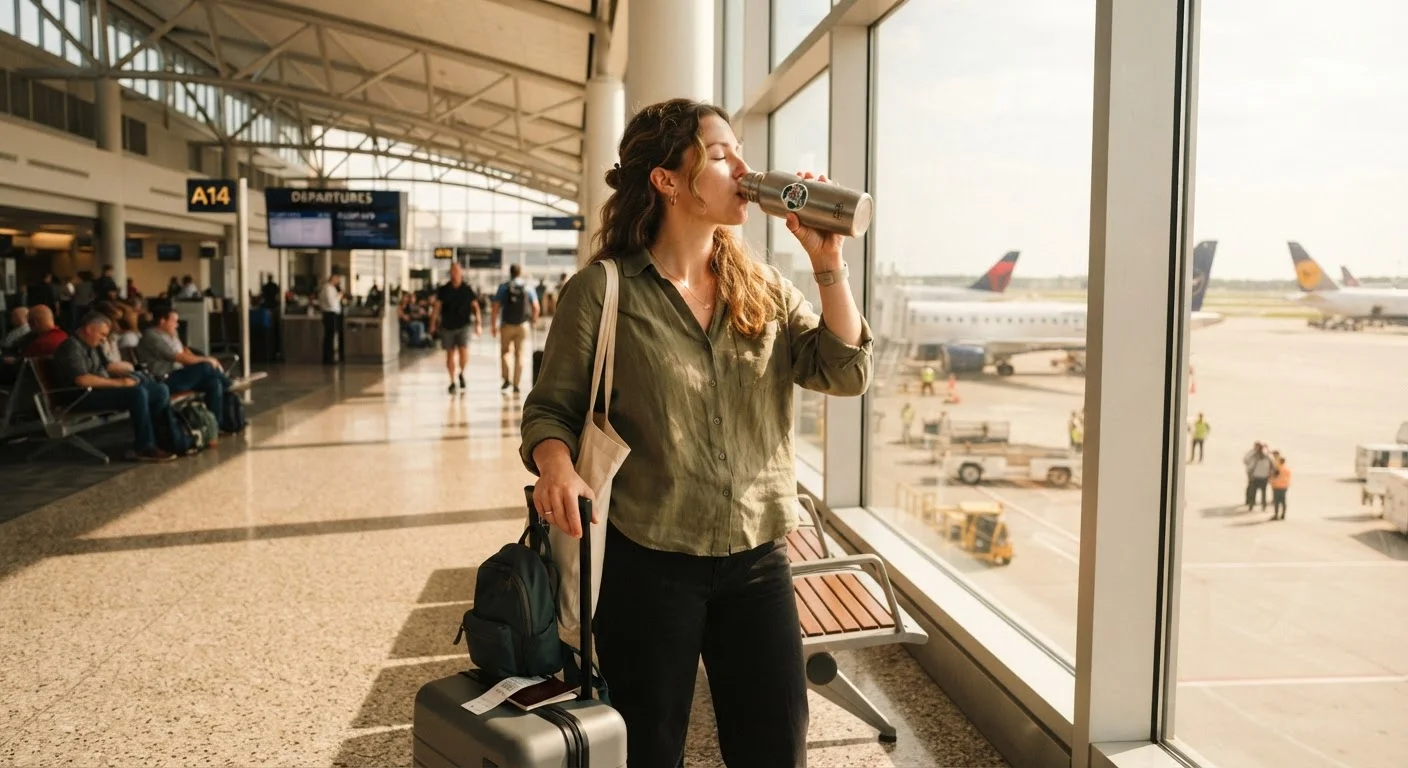
There's a specific moment most first-time solo travelers describe: standing in an airport or bus terminal, bags at their feet, and the sudden awareness that every decision from here belongs entirely to them. No one to consult, no itinerary to negotiate, no compromise on the restaurant. It's equal parts exhilarating and quietly terrifying.
That feeling - the productive discomfort of complete self-reliance - is precisely what makes solo travel so transformative. The practical rewards are real: you move at your own pace, follow genuine curiosity, and encounter experiences that group travel tends to smooth over. But the deeper shift is internal. Solo travel recalibrates how you assess risk, read environments, and trust your own judgment.
Whether you're planning a domestic weekend or a longer international journey, the foundations are the same. See our ground-up international planning guide if you're crossing borders for the first time - it pairs well with everything here.
The Mindset Shift Before You Even Pack
Before logistics enter the picture, the most useful preparation is psychological. Solo travel has a different emotional rhythm than group travel - quieter stretches, occasional loneliness, and moments when problem-solving falls entirely on you. Acknowledging these possibilities in advance makes them far less disorienting when they arrive.
The most common mistake first-timers make isn't poor planning - it's overscheduling to avoid stillness. A packed itinerary can feel like insurance against solitude, but it often leads to exhaustion and missed spontaneous moments. Build in unstructured time deliberately.
Start your first solo trip with a shorter duration than you think you need - three to five days rather than two weeks. You'll learn how you personally handle solo travel far faster than you expect, and you can scale from there.
Many first-timers either cut trips short due to unexpected discomfort or push through exhaustion trying to justify a long commitment. A shorter initial trip removes that pressure and sets a more honest baseline.
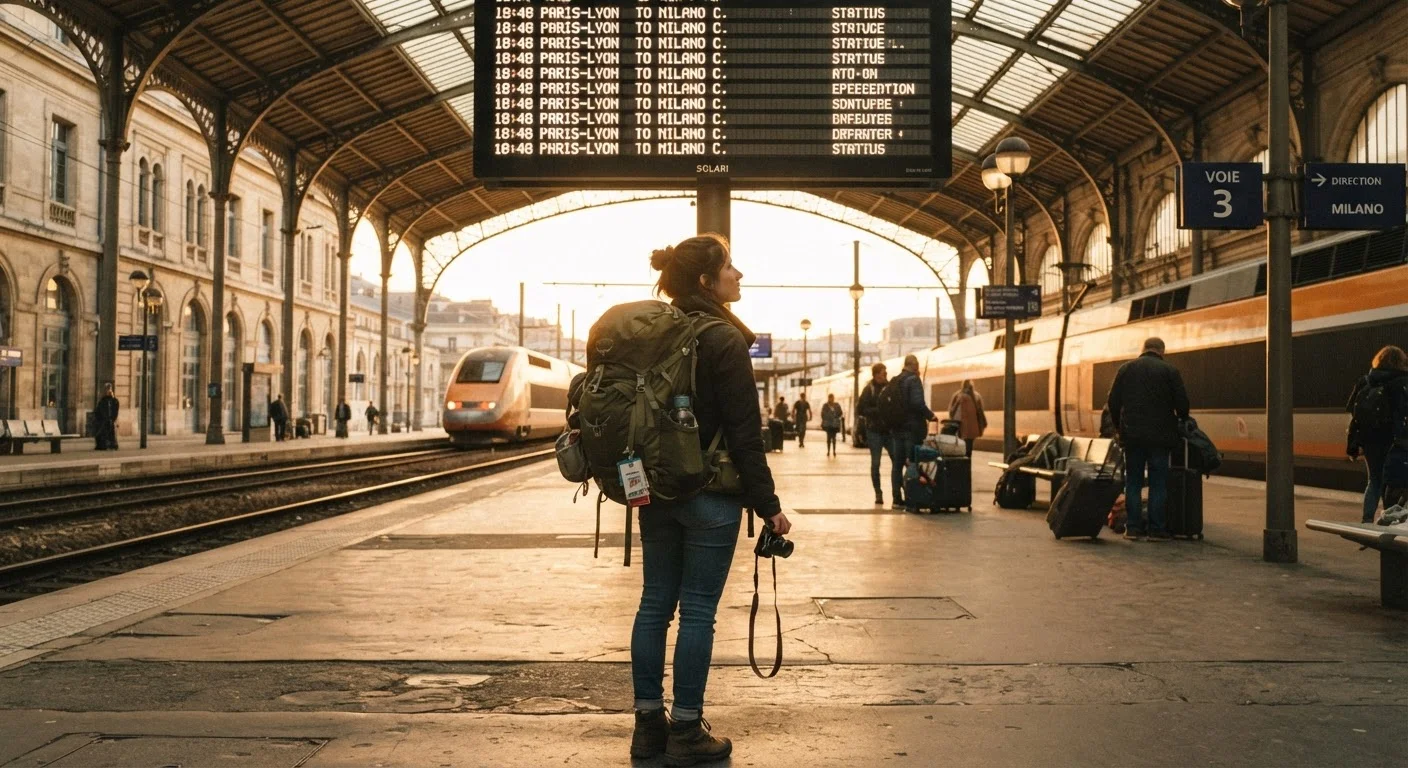
Save the names and addresses of your accommodations in an offline note on your phone before every transit day - not just in a booking app that requires connectivity to open.
Booking apps often require a live internet connection to display reservation details, which is precisely when connectivity is hardest to guarantee during transit between cities or countries.
It also helps to reframe what "going wrong" means. A missed bus, a rained-out afternoon, an unexpectedly closed attraction - these are inconveniences, not failures. Solo travelers who thrive tend to carry a loose grip on their plans and a genuine curiosity about what replaces them.
Choosing Where to Go First
Destination selection is one of the most consequential early decisions, and it functions as a safety variable as much as a preference. First-time solo travelers generally benefit from starting in destinations with reliable infrastructure, clear signage in familiar scripts, manageable language barriers, and a known solo-travel community.
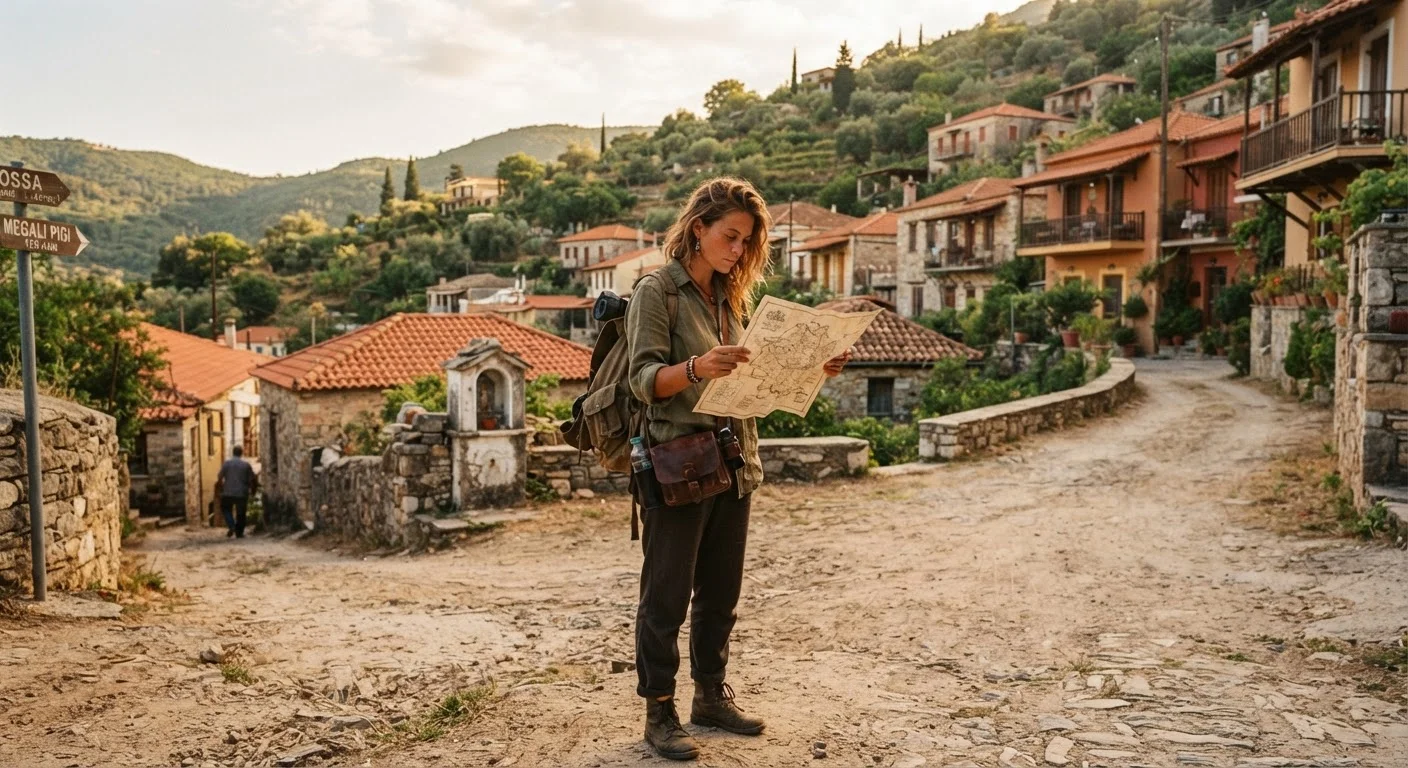
This doesn't mean choosing somewhere dull - it means choosing somewhere where the learning curve won't compound every other challenge at once. Popular solo-travel destinations in Western Europe, parts of Southeast Asia, Japan, and well-traveled areas of Latin America have established ecosystems - hostels, solo-friendly tours, active traveler forums - that function as an informal support network.
If you're drawn to less-charted territory, that impulse is worth following eventually. Our guide to researching unfamiliar destinations walks through how to build reliable knowledge when English-language coverage is thin. Save that kind of trip for your second or third solo outing, once you know how you personally respond to uncertainty.
~25%
Share of Americans who have traveled solo
Surveys from travel research organizations consistently suggest roughly a quarter of American adults have taken at least one solo trip, with the share trending upward among younger age groups.
72%
Solo travelers who report increased confidence after their first trip
Independent traveler surveys frequently find that the majority of first-time solo travelers report meaningful gains in self-confidence and decision-making comfort following their trip.
Safety Habits That Experienced Solo Travelers Swear By
Safety on a solo trip is less about avoiding danger and more about reducing exposure to preventable problems - then knowing what to do when something unexpected happens anyway.
Don't Wait Until Arrival to Address Safety Basics
Many safety missteps happen not from poor judgment on the ground, but from delayed preparation - arriving without a working phone plan, not registering a trip with the relevant embassy, or failing to share an itinerary before departure. These steps take minutes at home and are much harder to manage once you're already in motion. Build them into your pre-departure routine, not your in-destination one.
The foundational habit is information sharing. Before departure, give a trusted contact your full itinerary: accommodation names, addresses, and check-in dates. Check in at agreed intervals - not to report every movement, but to establish a pattern so that a missed check-in signals something real. The US State Department's Smart Traveler Enrollment Program (STEP) allows Americans traveling abroad to register their trip with the nearest embassy, which can be useful in genuine emergencies.
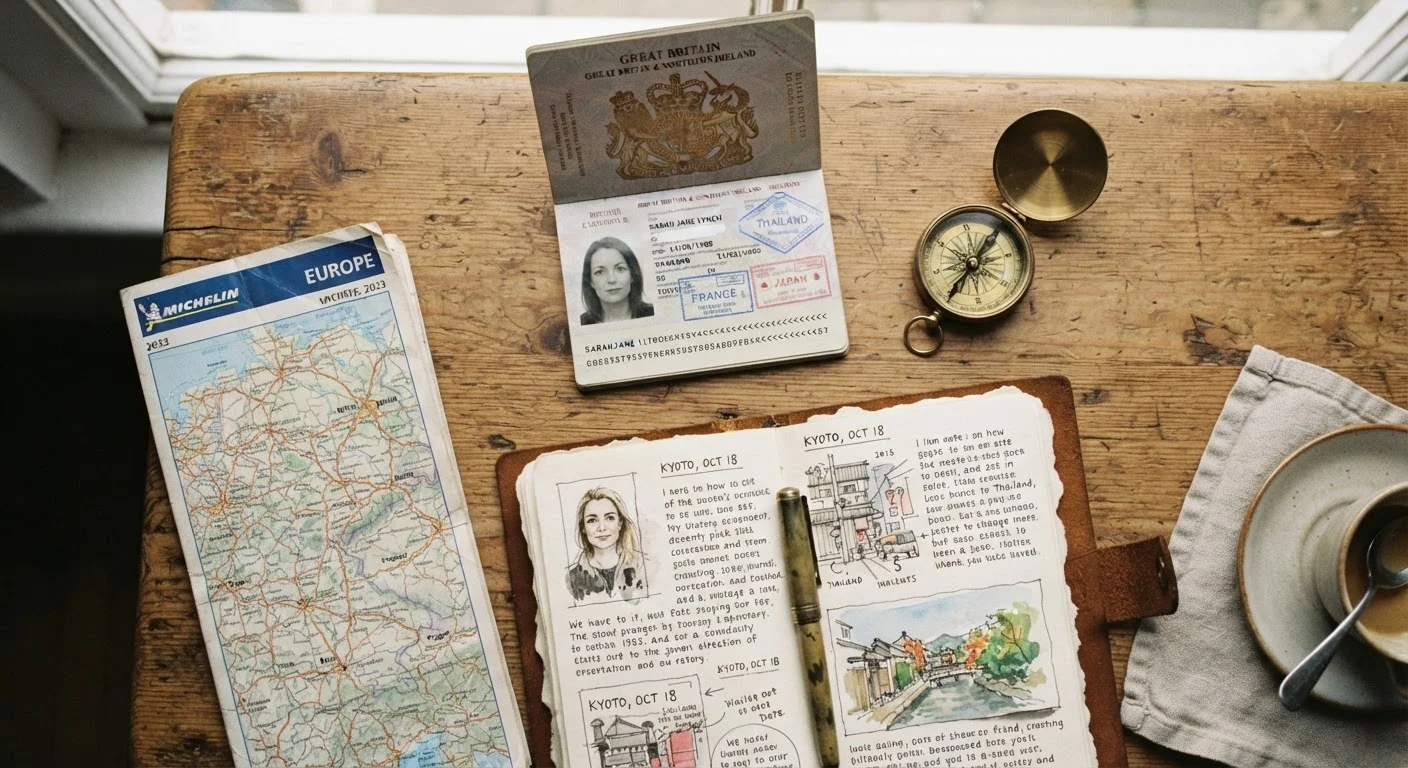
On the ground, a few behavioral habits carry outsized returns. Avoid announcing your solo status unprompted. Keep digital and physical copies of your passport, insurance card, and key reservation confirmations stored separately - one in your bag, one accessible in cloud storage. Trust early instincts about people and situations; the social discomfort of leaving a conversation is far preferable to ignoring a signal that later proves right.
For destination-specific safety context, always verify current conditions with official government travel advisories rather than relying solely on forum posts or guidebooks, which can be outdated.
Accommodation Choices and Staying Connected
Where you sleep shapes the social texture of a solo trip more than almost any other decision. Hostels - particularly those with common areas, shared kitchens, and organized activities - function as natural hubs for solo travelers. They lower the barrier to meeting other people significantly, which matters most in the first few days before you've found your footing.
Private accommodation through rental platforms or guesthouses offers more autonomy and quiet, but requires more intentional effort to connect with other travelers or locals if that's something you want. Neither is inherently better - the right choice depends on your social temperament and what kind of trip you're building.
Connectivity deserves the same deliberate planning as lodging. Arriving in a new country without a working data plan is one of the most common and avoidable friction points. Research your options before departure: many destinations support purchasing a local SIM on arrival, while international add-ons through your home carrier may offer simpler setup at a higher cost. Download offline maps - particularly for areas with unreliable signal - before you need them.
Also consider your wellness habits while on the road. Practical health habits for travelers covers hydration, sleep, food safety, and when to think about pre-trip medical consultations - all of which matter more when you're navigating alone.
Logistics That Catch First-Timers Off Guard
The logistical details that derail first-time solo travelers are almost always predictable in hindsight. Money access is chief among them: understand before you arrive whether your destination is primarily cash-based, what ATM fees apply to your cards, and whether your bank requires advance notification of international use. Carrying a backup card stored separately from your primary wallet is standard solo-travel practice.
Medication management is another area worth thinking through carefully. If you take regular prescriptions, carry more than you expect to need, keep them in original packaging where customs is involved, and store a written record of generic names and dosages separately from the physical supply. For guidance on travel health preparation more broadly, consult a healthcare provider before departure - general information here is no substitute for advice tailored to your health history and destination.
Finally, use the pre-trip confirmation checklist to work through the practical details that are easy to assume are handled until they aren't - passport validity windows, travel alerts, and home logistics like mail pauses and utility considerations. Running through that list a week before departure, rather than the night before, leaves time to actually fix anything that surfaces.
Solo travel rewards preparation not because it eliminates uncertainty, but because it frees you to engage with uncertainty on your own terms - curious rather than anxious, capable rather than dependent. That shift, once experienced, tends to be permanent.