Why the Sticker Price Is Just the Starting Point
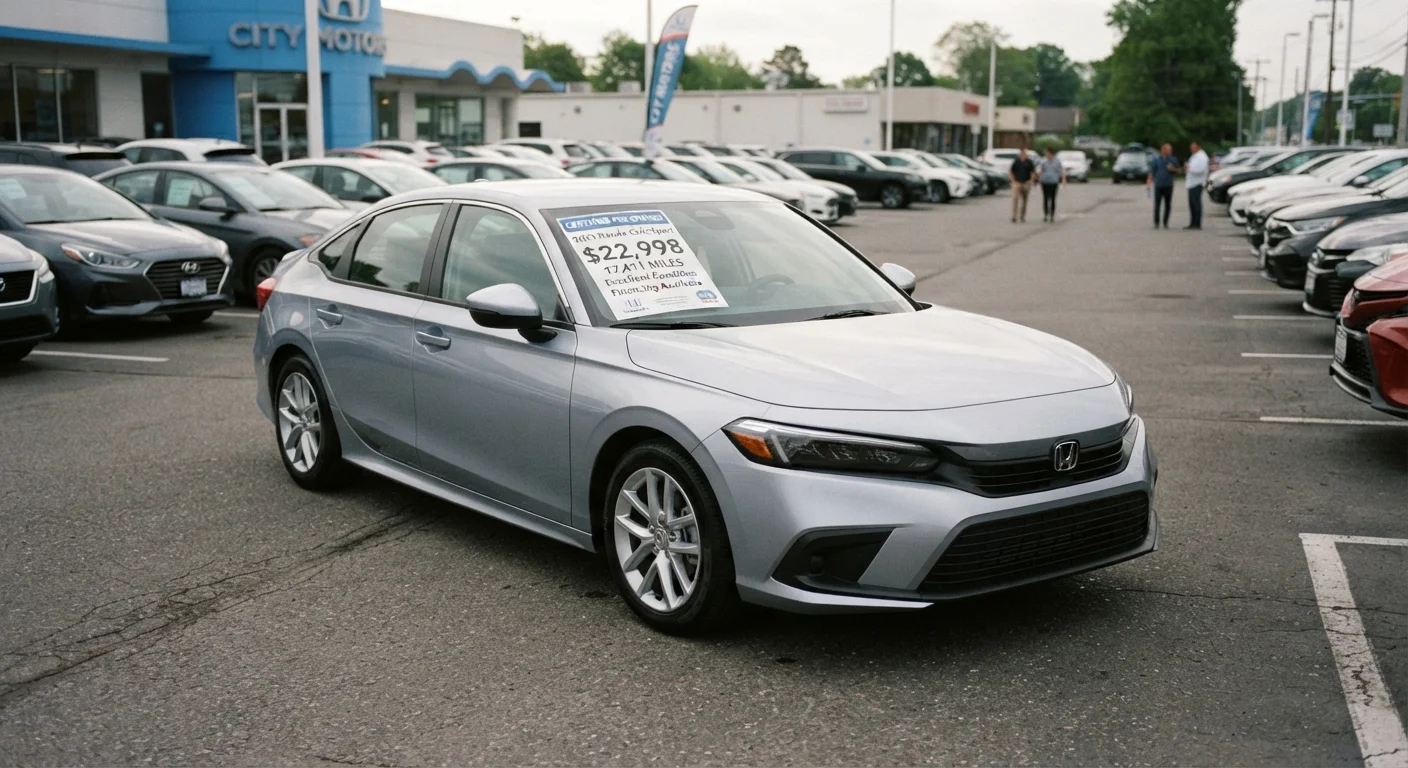
When most people budget for a car, they focus on the purchase price or a monthly payment they can manage. That's understandable, but it leaves out a long list of expenses that start accumulating the moment you drive off the lot.
A realistic car budget has to account for several cost categories running simultaneously. Some are fixed and predictable - like an annual registration renewal. Others vary month to month, like fuel. And some arrive without warning, like a repair after a breakdown. Together, these costs can easily match or exceed what you're paying on a loan.
For a fuller picture of every financial and logistical responsibility that comes with a vehicle, the car ownership overview covers each stage from purchase to resale.
$10,000+
Estimated average annual cost to own a new vehicle
Industry analysts, including AAA, have consistently estimated the annual cost of new vehicle ownership - including depreciation, insurance, fuel, and maintenance - at over $10,000 when averaged across vehicle types.
~20%
Typical first-year depreciation on a new car
Many new vehicles lose roughly 15-20% of their value in the first year, making depreciation the single largest ownership cost for most buyers of new cars.
$1,500-$2,000
Average annual auto insurance cost per driver
National averages for full-coverage auto insurance have generally fallen in this range, though premiums vary significantly by state, driver profile, and vehicle.
Depreciation: The Cost You Don't Pay in Cash
Depreciation is the decline in your vehicle's market value over time. You don't write a check for it, but you feel it when you go to sell or trade in the car. A new vehicle can lose a substantial share of its value within the first few years of ownership - often more than you'd spend on fuel or insurance during that same period.
This matters most if you're financing a vehicle. In the early months of a loan, your payments are weighted toward interest, meaning you're building equity slowly while the car's value drops faster. That gap - sometimes called being "underwater" on a loan - can leave you owing more than the car is worth.
Understanding how depreciation works can help you factor it into your buying decision, whether you're choosing between new and used or weighing which vehicle type holds its value better.
Insurance, Fuel, and Maintenance Add Up Year After Year
Beyond depreciation, three recurring costs account for most of what drivers spend annually.
Insurance
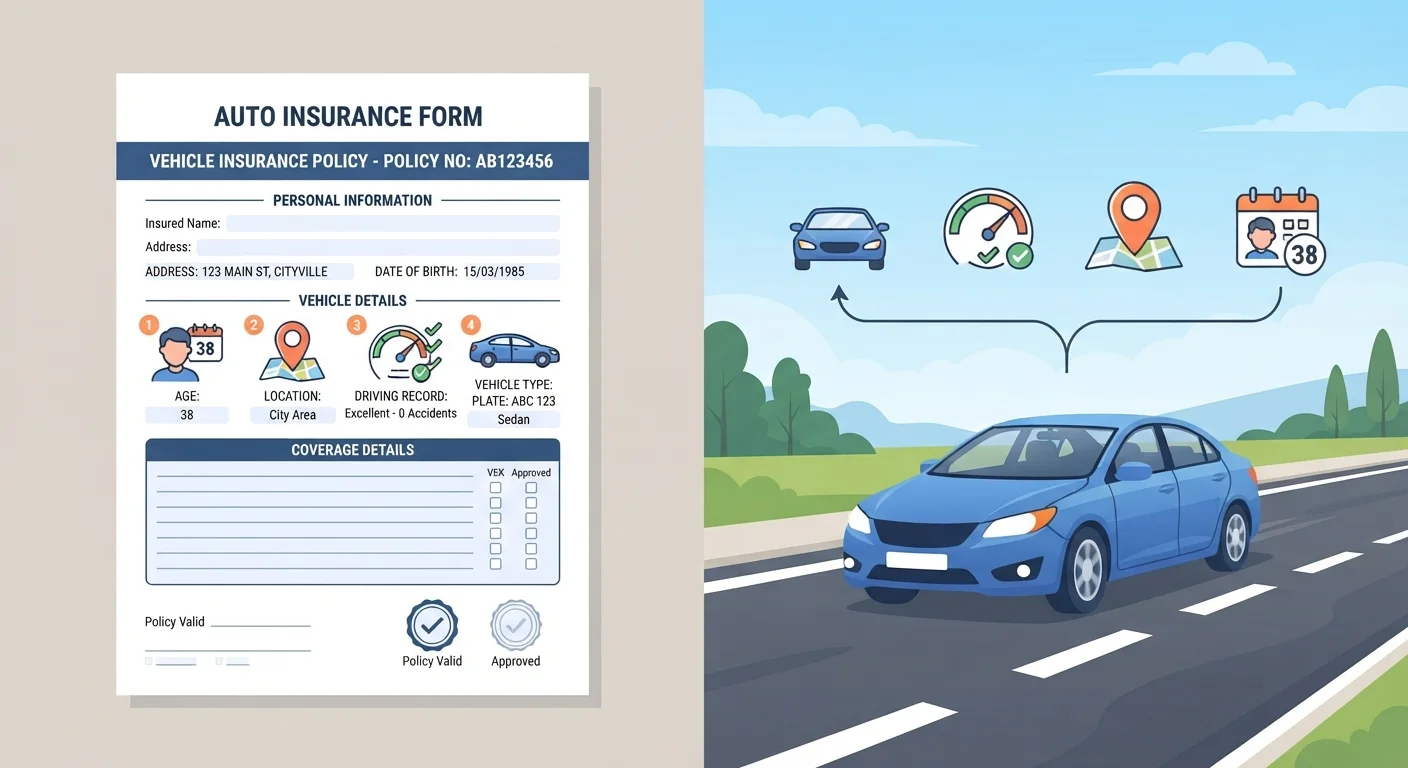
Auto insurance is legally required in nearly every US state, and premiums vary based on factors including your driving record, location, the vehicle itself, and the level of coverage you carry. A policy that protects you adequately won't be cheap - and it renews every six or twelve months. Factors that influence your car insurance premium explains how insurers determine what you pay.
Fuel
How much you spend on gas depends on how many miles you drive, your vehicle's fuel efficiency, and current pump prices. Drivers who commute long distances or live in areas with higher fuel costs will feel this line item more acutely.
Maintenance and Repairs
Routine maintenance - oil changes, tire rotations, brake service, fluid replacements - is the cost of keeping the car running safely. Following a maintenance schedule tends to reduce the risk of larger, more expensive repairs later. Practical car maintenance guidance can help you understand what's due and when.
Build a Simple Monthly Car Budget
Add up your loan payment, monthly insurance cost, estimated fuel spending, and a small maintenance reserve - even $50-75 per month set aside for routine service and unexpected repairs. This gives you a realistic monthly number rather than just a payment figure, and prevents financial surprises when service is due.
Fees, Financing, and the Costs That Catch Owners Off Guard
Several other costs round out the true ownership picture.
- Registration and title fees: States charge annual registration fees, and these vary widely. Some states also base a portion of the fee on the vehicle's value, meaning newer or more expensive cars cost more to register.
- Loan interest: If you finance your vehicle, the total interest paid over the life of the loan adds meaningfully to what the car actually costs. A longer loan term lowers monthly payments but increases total interest paid.
- Parking and tolls: Depending on where you live and work, parking fees and highway tolls can become a consistent monthly line item.
- Unexpected repairs: Once a vehicle ages past its warranty period, repair bills fall entirely on the owner. Setting aside a small monthly buffer for unplanned repairs is a habit that experienced car owners often recommend.
If you're weighing whether buying makes more sense than leasing, it's worth understanding how these costs shift under each arrangement. Leasing vs. buying breaks down how ownership responsibilities differ between the two options.
Building a Realistic Vehicle Budget
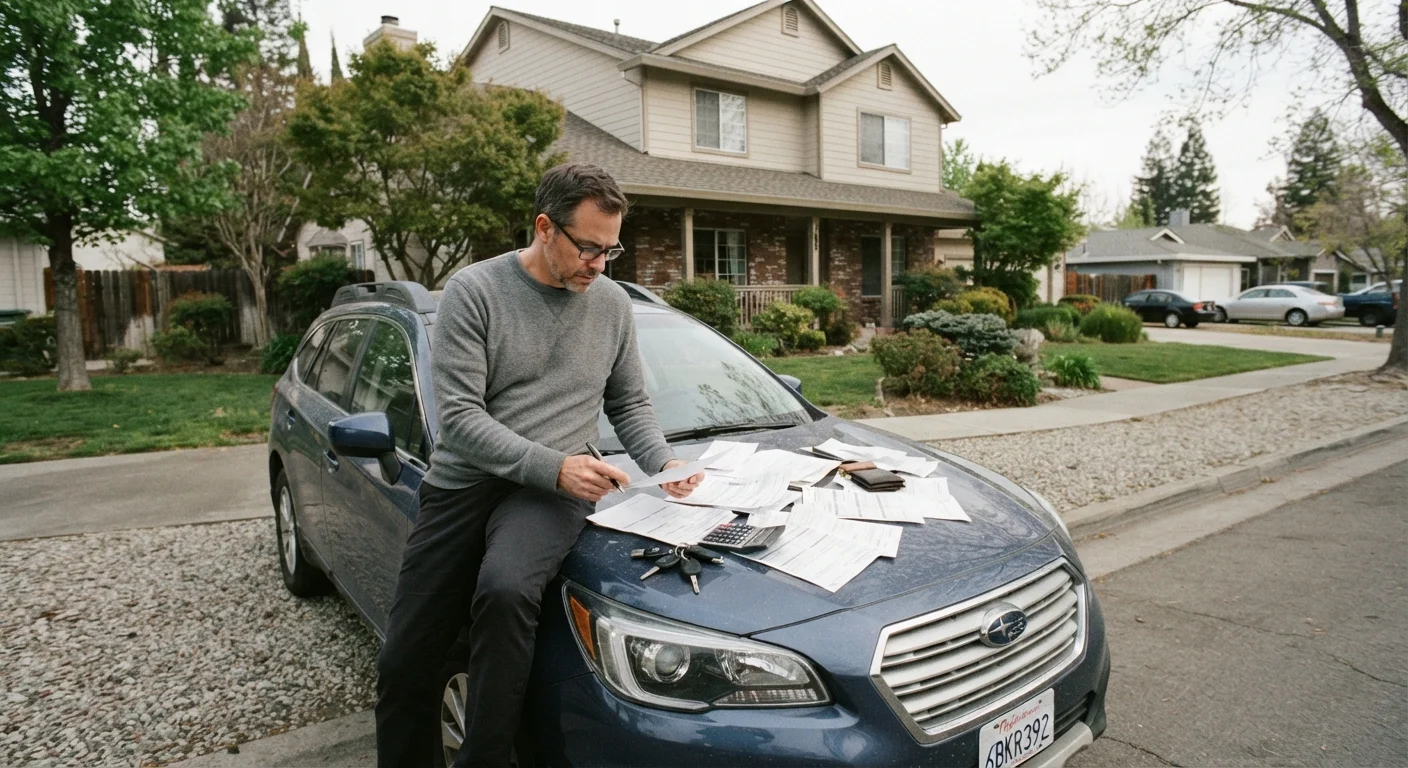
Getting a clear picture of your actual ownership costs requires adding up each category, not just the payment. A useful exercise is to estimate your monthly share of each expense: divide your annual insurance premium by 12, estimate monthly fuel based on your typical mileage, and set aside a maintenance reserve.
First-time owners especially benefit from thinking through these costs before committing to a purchase. First-time car ownership walks through many of the practical realities that don't show up in a dealer's payment estimate.
The goal isn't to make car ownership seem unaffordable - for most people, it's a necessary and manageable expense. The goal is to plan for the full picture so that no single cost catches you unprepared.