The Cost You Don't See on Your Monthly Statement
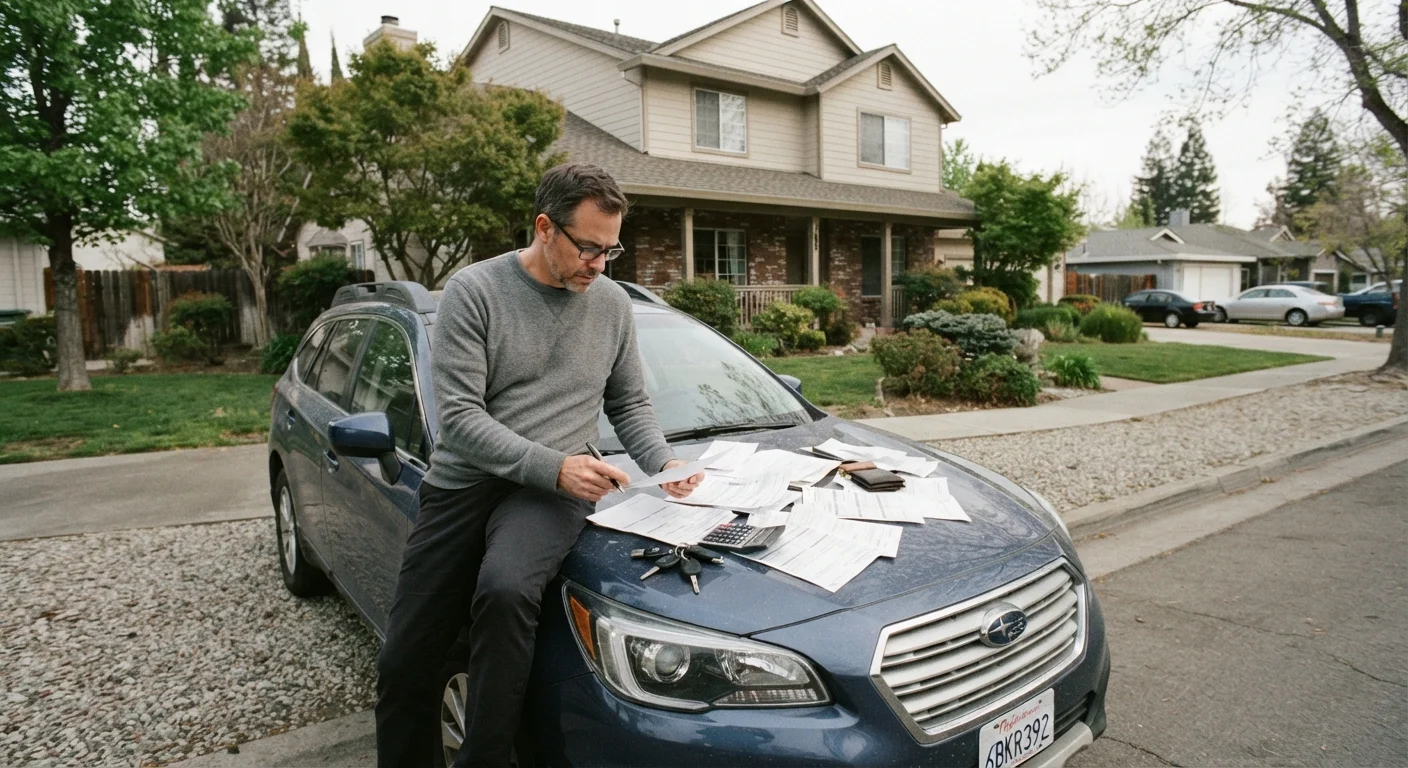
Most car owners focus on the expenses that show up as line items - insurance premiums, fuel fill-ups, oil changes. Depreciation is different. It's a cost that accumulates silently, showing up only when you go to sell or trade in your vehicle and realize it's worth far less than you paid.
For a vehicle purchased new at $35,000, losing 20% in the first year means roughly $7,000 in value has evaporated - without a single repair bill or accident. That figure typically dwarfs what you'd spend on maintenance over the same period. As part of the true cost of car ownership, depreciation deserves serious attention from day one.
~20%
Average first-year value loss on a new car
Industry estimates commonly place new vehicle depreciation between 15% and 25% in the first 12 months of ownership.
~50%
Typical value remaining after five years
Many vehicles retain roughly half their original value after five years, though this varies widely by make, model, and condition.
#1
Largest cost of ownership over time
Depreciation is generally considered the single greatest expense of owning a vehicle, exceeding fuel and insurance for most owners.
How Depreciation Actually Works
Depreciation isn't a steady, predictable decline. New vehicles drop steeply at first - some analysts estimate 50% or more of a car's original value is gone within five years. After that, the rate of loss tends to flatten out.
Several factors influence how fast any given vehicle loses value:
- Mileage: Higher annual mileage accelerates value loss, since buyers associate miles with wear.
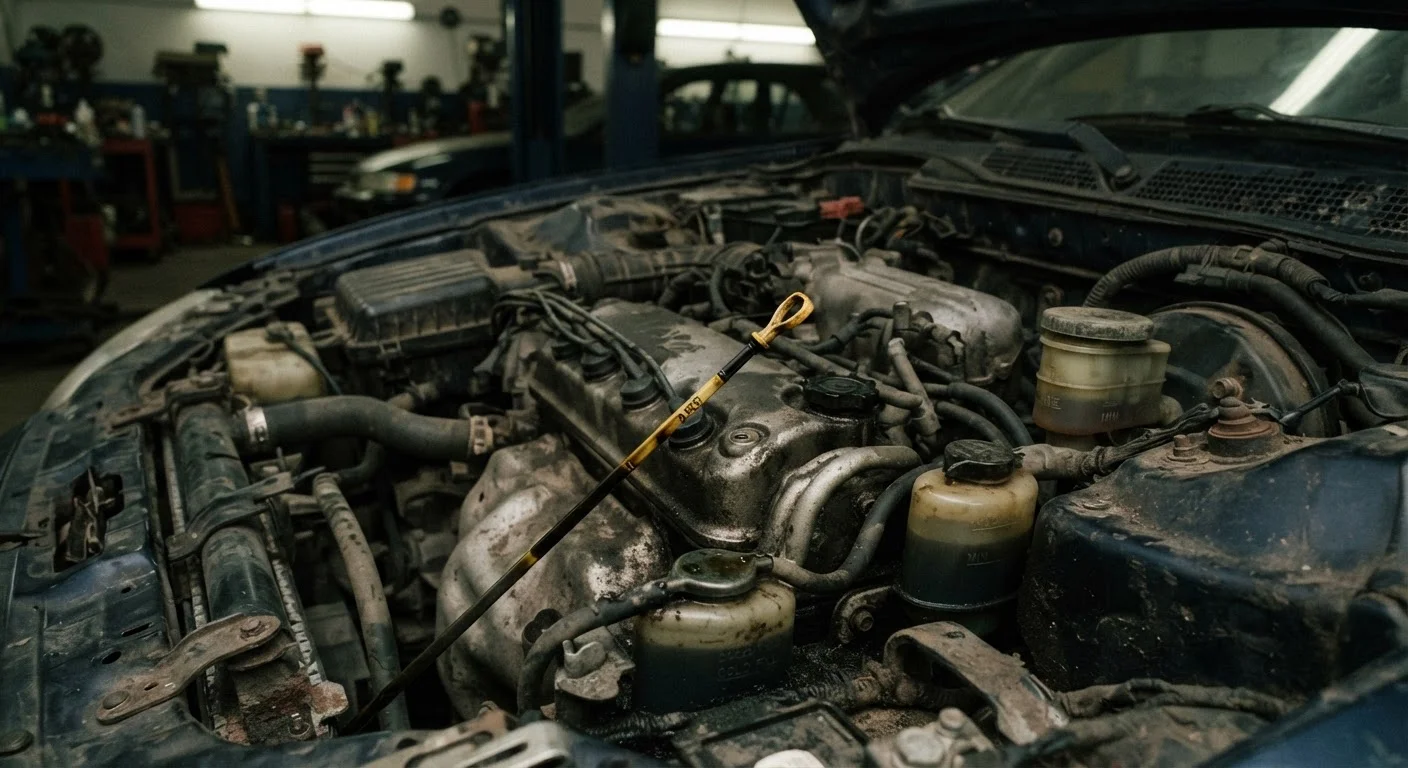
- Condition: Dents, worn interiors, and deferred maintenance signal higher future costs to prospective buyers.
- Brand and model reputation: Vehicles with strong reliability records and high consumer demand tend to hold value better.
- Fuel type and efficiency: Shifts in fuel prices or technology adoption (like the growth of EVs) can affect how buyers value certain powertrains.
- Market supply: When a particular model is readily available, used examples face more price competition.
Understanding these levers gives owners more control than they might think. Habits that shorten a car's lifespan - like skipping oil changes or ignoring small repairs - don't just cost money now; they quietly chip away at resale value later.
Electric Vehicles and Depreciation
The depreciation patterns for electric vehicles are still evolving. Battery range, charging infrastructure, and rapid model updates can cause some EVs to depreciate faster than comparable gas vehicles. However, this varies significantly by brand and market demand. If you're considering an EV purchase, it's worth researching current resale trends for specific models rather than assuming they follow traditional depreciation curves.
Making Smarter Decisions With Depreciation in Mind
Knowing how depreciation works changes the way thoughtful buyers and owners approach their vehicles.
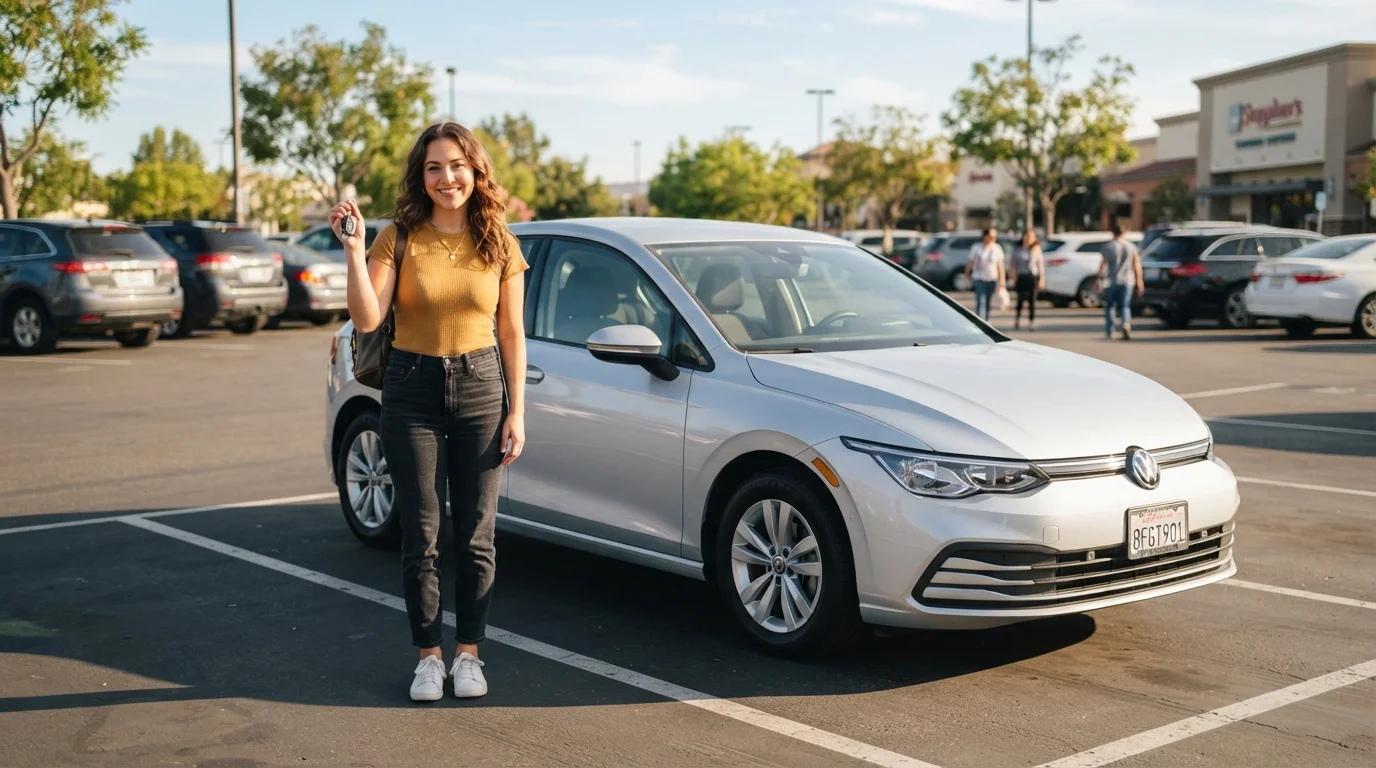
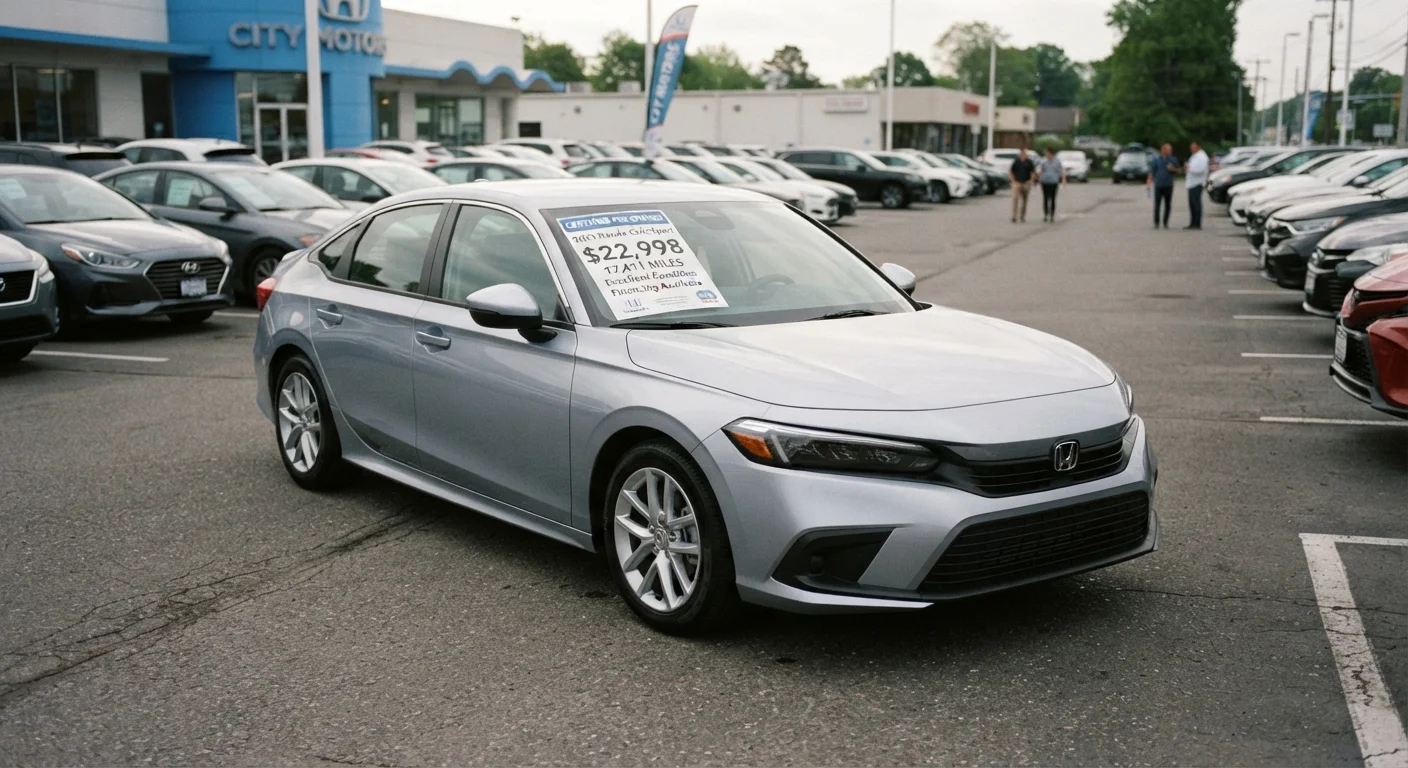
Buying used instead of new lets you avoid the sharpest drop. A vehicle that's two or three years old has already absorbed the steepest depreciation, often with plenty of useful life remaining. You're paying closer to the actual market value rather than a premium that evaporates quickly.
Timing your trade-in or sale thoughtfully can make a meaningful difference. Selling privately rather than trading in typically returns more money, since dealerships build their own margin into trade-in offers.
Maintaining your vehicle consistently does double duty: it keeps the car reliable now and protects resale value later. A complete maintenance record is a tangible selling point. If you're new to ownership, what no one tells first-time owners covers why building these habits early pays off. You can also explore the full picture in our end-to-end guide to car ownership.
A Simple Way to Estimate Your Car's Current Value
Free online valuation tools - available through several automotive research sites - let you enter your vehicle's year, make, model, mileage, and condition to get a ballpark market value. Checking this periodically helps you understand your equity position, especially if you're considering selling, trading in, or refinancing.
Considering total cost of ownership - not just the sticker price or monthly payment - is the clearest window into what a vehicle actually costs you. Depreciation typically accounts for the largest share of that total, which makes it the most important factor most buyers underweight.