What Vehicle Registration Actually Means
Vehicle registration is the process of recording your car with your state's motor vehicle authority - typically the Department of Motor Vehicles (DMV) or its equivalent. It establishes legal proof that your vehicle is permitted to operate on public roads and ties the car to an owner of record. Without it, you can't legally drive the vehicle, and law enforcement can identify the car as unregistered during a traffic stop.
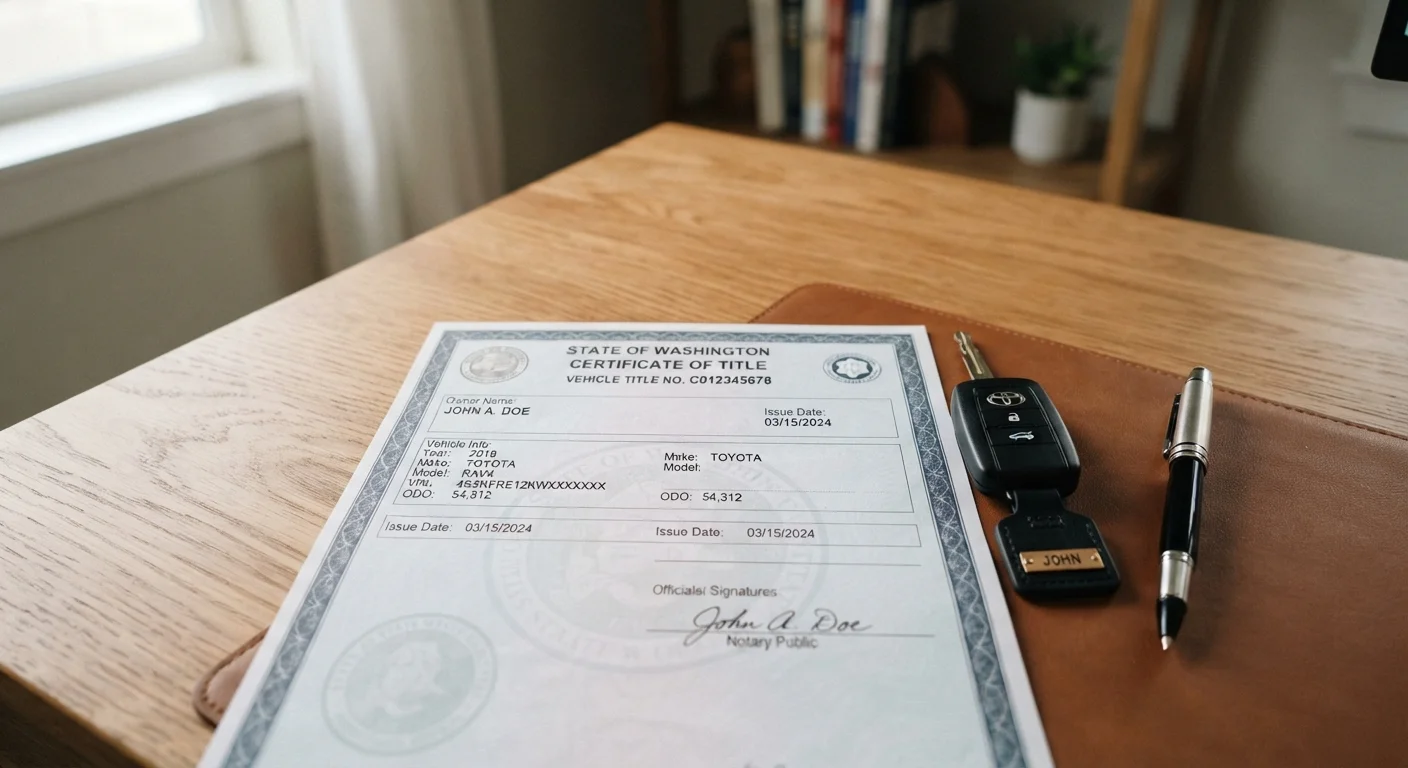
Registration is separate from the title. The title proves ownership; the registration grants permission to operate. If you've just bought a car, you'll likely need to handle both. See our guide to title transfers for details on that parallel step.
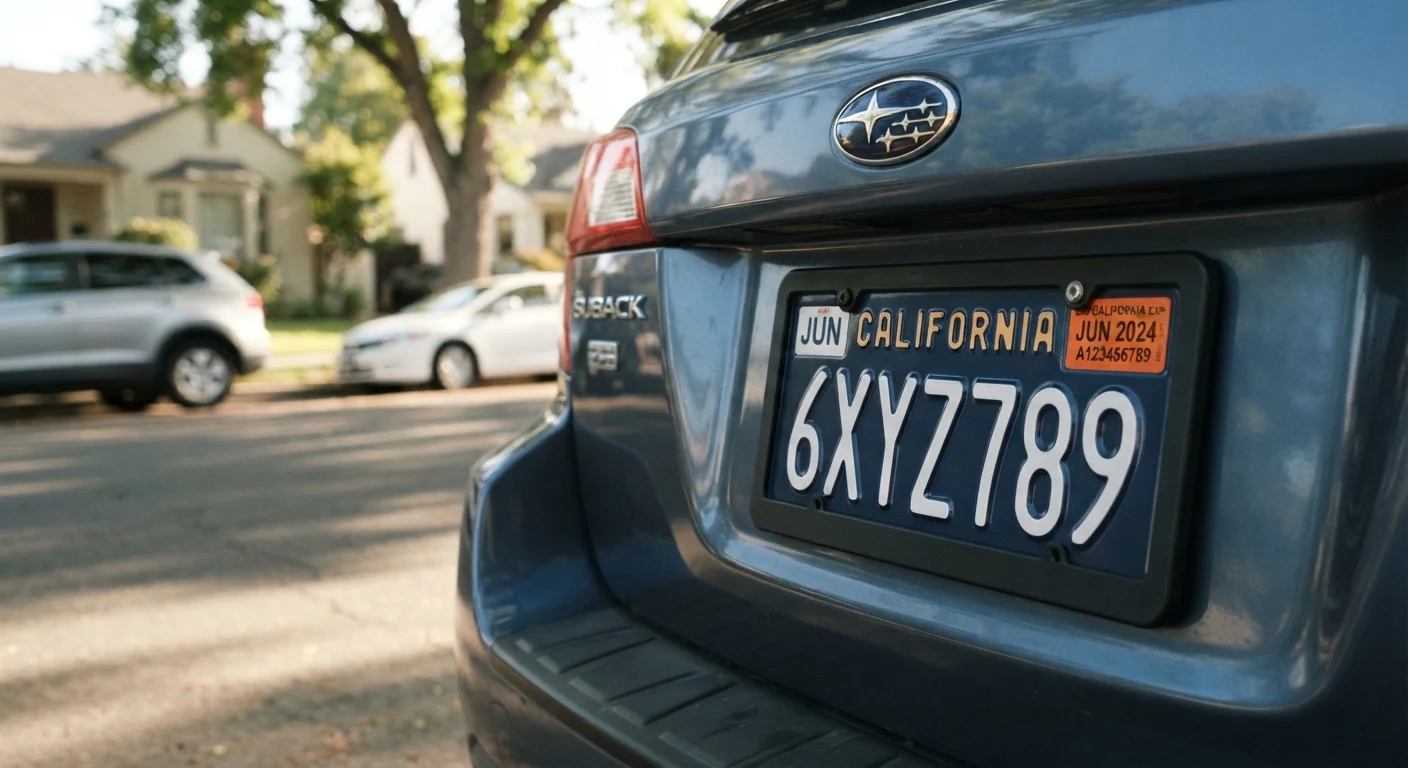
Most states require registration renewal annually, though some use two-year cycles. Once registered, you'll receive a registration certificate (keep it in the vehicle) and a sticker or plate indicating the expiration date.
What you will need
What You'll Need to Bring
Requirements vary by state, but these documents are needed in most jurisdictions:
Vehicle Title or MSO
Establishes proof of ownership - required to transfer registration into your name.
Government-Issued Photo ID
Verifies your identity as the registering owner.
Proof of Auto Insurance
Confirms the vehicle meets your state's minimum insurance requirement before it can be registered.
Odometer Disclosure Statement
Documents the vehicle's mileage at the time of sale; required by federal law for vehicles under 10 years old.
Emissions or Safety Inspection Certificate
Required in many states before registration can be completed; obtained at an approved inspection station.
Bill of Sale
Documents the purchase price, which some states use to calculate sales tax owed at registration.
If your vehicle is newly purchased from a dealership, the dealer often handles the initial registration paperwork on your behalf. If you bought privately, the responsibility falls entirely on you. Check your specific state's DMV website for the exact checklist - searching " vehicle registration requirements" will bring up the official page.
Don't Wait Until the Last Minute
Most states give new owners 30 to 90 days to register after purchase, but that window closes quickly. Driving with expired or no registration - even for a few days - can result in a traffic citation. Check your state's deadline as soon as you take ownership.
Step-by-Step: How to Register Your Vehicle
Follow these steps to complete registration. Timelines and fee structures differ by state, so treat this as a general framework rather than a state-specific guarantee.
Confirm Your State's Specific Requirements
Before gathering anything, visit your state's official DMV website to pull up the exact checklist for your situation - whether it's a new purchase, a vehicle moved from another state, or a gift. Requirements for each scenario can differ significantly.
Get an Emissions or Safety Inspection (If Required)
Many states require a passing emissions or safety inspection before registration. Find an approved inspection station in your area - your DMV's website will have a locator. The inspection certificate must typically be dated within a specific window before your registration appointment.
Gather All Required Documents
Collect your title (signed over to you if purchased privately), proof of insurance, photo ID, and any other documents identified in Step 1. Make copies if the DMV requests them - some offices keep originals of certain forms.
Submit Your Application and Pay Fees
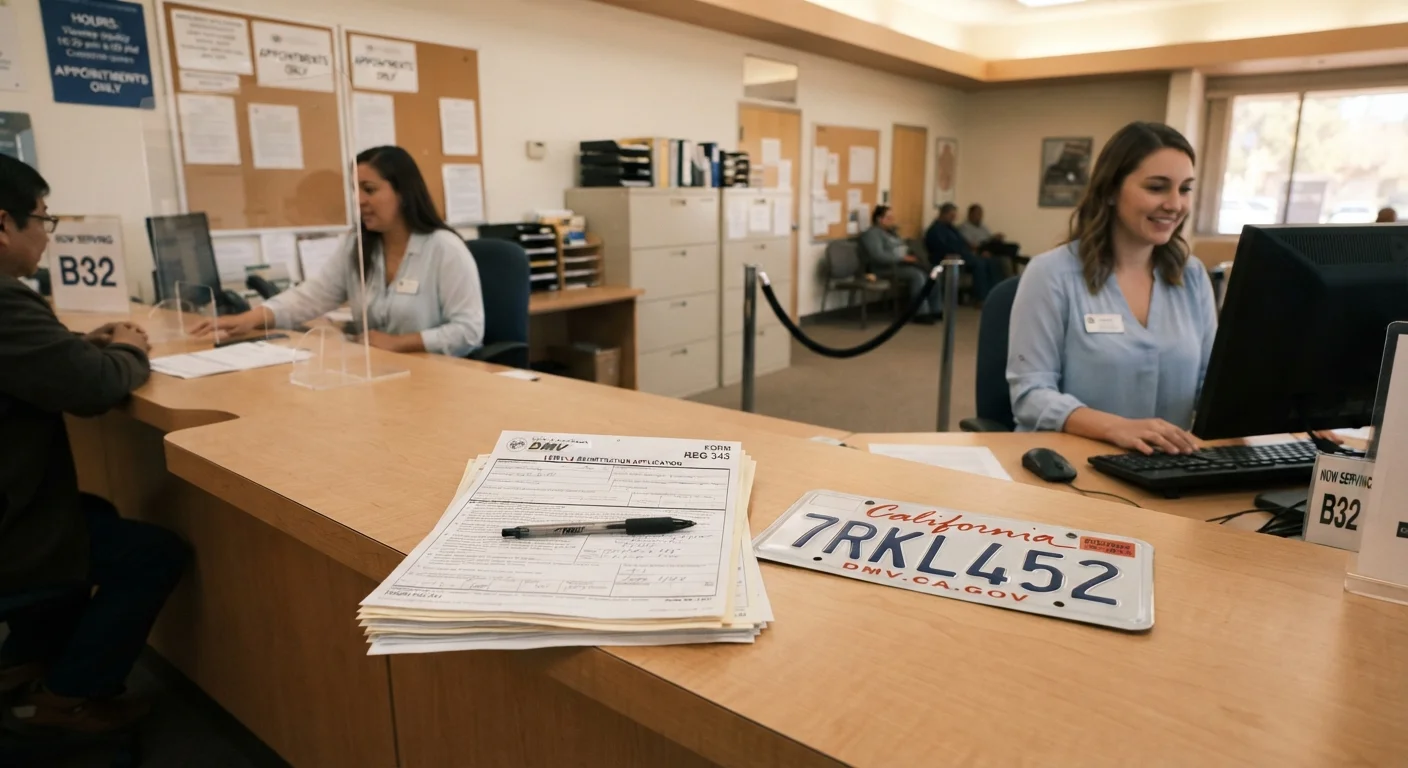
Visit your local DMV office or, if your state allows it, complete the process online or by mail. Submit your documents, fill out the registration application form (often available at the counter or downloadable in advance), and pay the applicable fees. You may also owe state sales tax at this point if it wasn't collected at the dealership.
Receive Your Registration Documents and Plates
Once approved, you'll receive a registration certificate and, for new vehicles or newly plated cars, a license plate. Keep the registration certificate inside the vehicle at all times - you're legally required to present it on request. Affix any renewal sticker to the plate as directed on the sticker itself.
Set a Reminder Before Your Registration Expires
Most states mail a renewal notice, but that notice can be delayed or lost. Note your registration expiration date in your calendar as a backup. Many DMVs also offer email or text reminders if you create an online account with them.
For a broader look at everything to handle in your first month with a vehicle, the new car ownership checklist covers registration alongside insurance, recall checks, and more.
Understanding Registration Fees
Registration fees are set by each state independently, so costs can range from under $30 in some states to well over $100 in others. Common factors that influence the fee include:
- Vehicle age and value - newer or more expensive vehicles often cost more to register
- Vehicle weight - heavier vehicles may carry higher fees
- County or local surcharges - some jurisdictions add fees on top of the state base rate
- Emissions or smog inspection fees - required in many states and added to the total
Some states also charge a separate title fee at the time of initial registration. In most cases, fees paid to the state for registration are not negotiable, though payment plans may be available in limited circumstances through your DMV.
Letting your registration lapse costs more in the long run. Expired registration can trigger fines, and in some states, the vehicle can be impounded.
New to owning a car altogether? Our first-time car ownership guide covers registration alongside insurance, maintenance, and other essentials that often catch new owners off guard.
Out-of-State Vehicles Require Extra Steps
If you're registering a vehicle that was previously titled in another state, most DMVs require a physical VIN inspection before they'll issue new plates. This is usually a quick appointment at a DMV office or authorized location, but it adds time to the process. Factor it in before your deadline arrives.