What Graduated Driver Licensing Actually Is
Graduated driver licensing - commonly shortened to GDL - is a system that introduces driving privileges to new drivers incrementally rather than all at once. The core idea is straightforward: driving is a skill that takes time and practice to develop, and the riskiest conditions (night, high-speed roads, peer passengers) are best encountered after a foundation has been built.
Every U.S. state has adopted some version of a GDL program, though the specific rules differ. The general framework was developed in response to crash data showing that 16- and 17-year-olds are significantly overrepresented in traffic fatalities relative to more experienced drivers. GDL programs have been associated with measurable reductions in teen crash rates, according to highway safety researchers.
Graduated Driver Licensing (GDL)
A structured licensing system that gradually gives new drivers more privileges as they gain experience, rather than granting full access all at once.
Learner's Permit
The first stage of GDL, allowing a teen to drive only when a licensed adult supervisor is present in the vehicle.
Intermediate License
The second stage of GDL, allowing unsupervised driving under certain restrictions - commonly limits on nighttime hours and passenger counts.
Hazard Perception
A driver's ability to spot developing risks on the road - like a pedestrian stepping toward a crosswalk - early enough to react safely.
Holding Period
A mandatory minimum amount of time a driver must remain at one GDL stage before becoming eligible to advance to the next.
The Three Stages and What Each One Means
Most GDL programs follow a three-stage structure:
- Learner's permit: The teen has passed a written knowledge test and can drive only with a licensed adult supervisor in the vehicle. A minimum holding period - often six months to a year - typically applies before advancing.
- Intermediate (provisional) license: The teen can drive unsupervised but faces restrictions, commonly on nighttime hours and the number of passengers allowed. This stage lasts at least several months and requires a clean record to move forward.
- Full license: All restrictions are lifted once the driver meets the age and time requirements and has maintained a safe driving record.
The exact age thresholds and holding periods vary by state. It's worth reviewing your state's DMV documentation directly rather than relying on general summaries, since details do change.
Common Restrictions and Why They Exist
Two restrictions appear in nearly every state's intermediate license stage: nighttime driving limits and passenger limits.
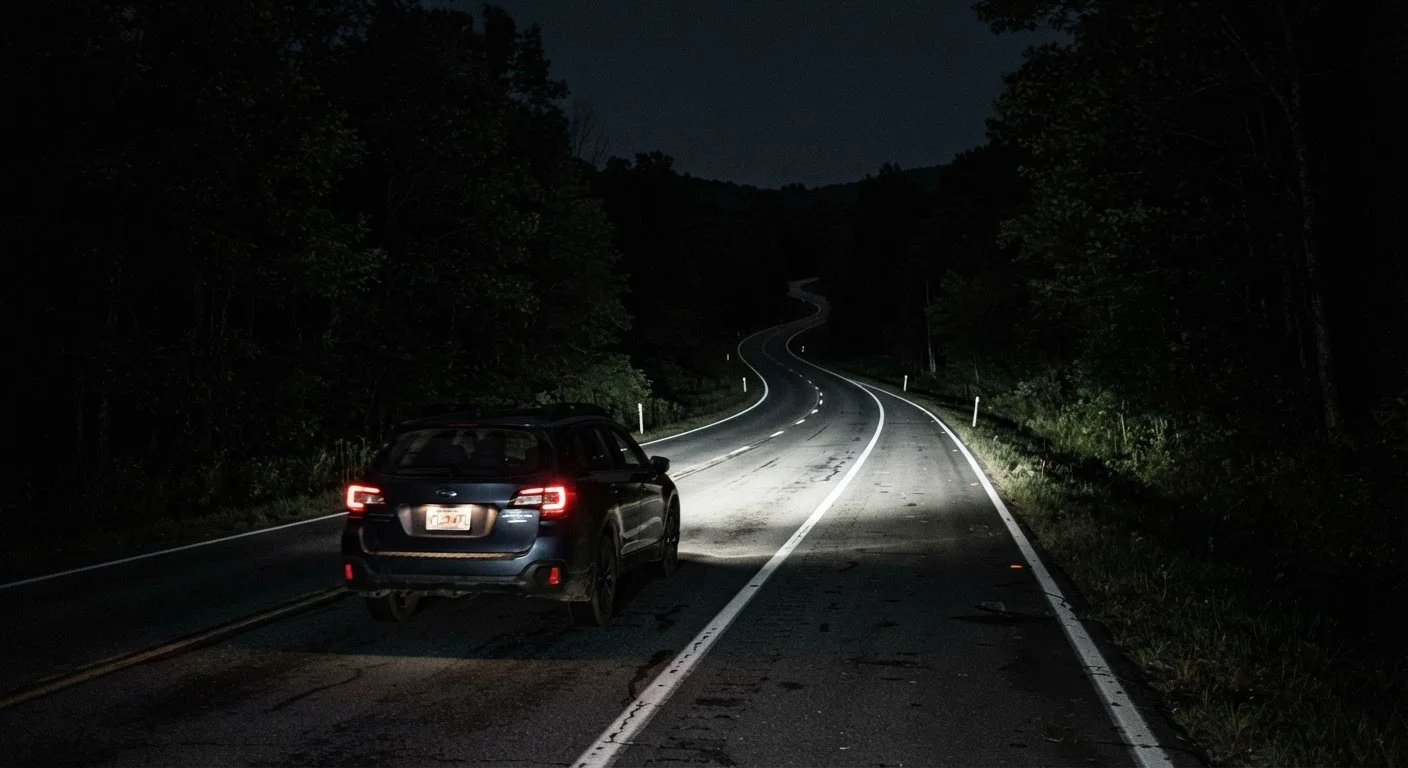
Nighttime limits typically prohibit unsupervised driving between around 11 p.m. and 5 a.m., though the exact curfew varies. The reason is well-documented: nighttime driving carries elevated risk for all drivers, but especially new ones. Reduced visibility, fatigue, and a higher prevalence of impaired drivers on the road all compound the challenge. Our article on how darkness changes your risk profile goes into detail on why this is so significant.
Passenger restrictions - often limiting a teen to zero or one non-family passenger - address a different problem: distraction. Research consistently shows that the crash risk for a teen driver increases with each additional peer passenger in the vehicle. The social dynamics of having friends in the car make it harder for a novice driver to stay focused.
Violations Can Delay the Timeline
Breaking GDL restrictions - even something that seems minor, like carrying an extra passenger - can result in fines or a reset of the required holding period in many states. It's worth making sure both the teen and everyone in the household understands which rules are in effect and that they're legally enforceable.
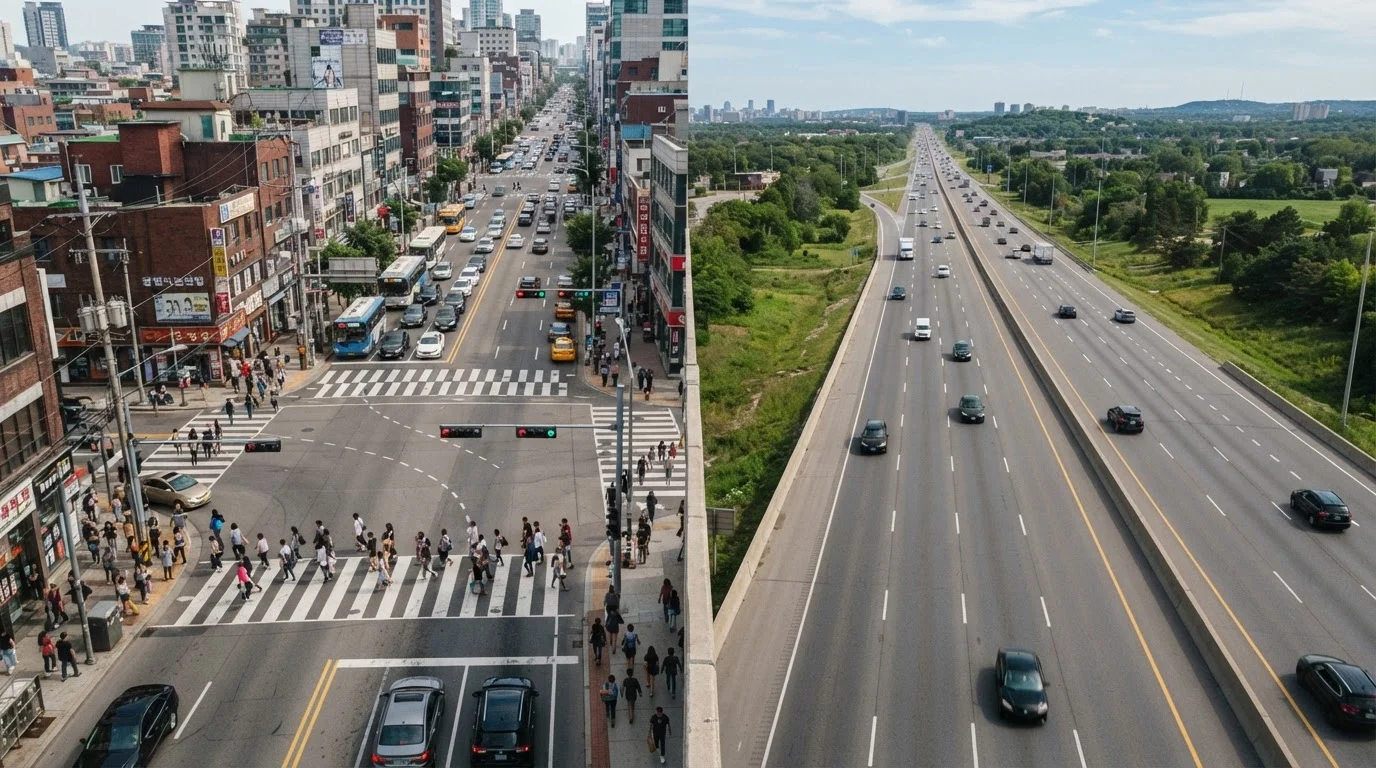
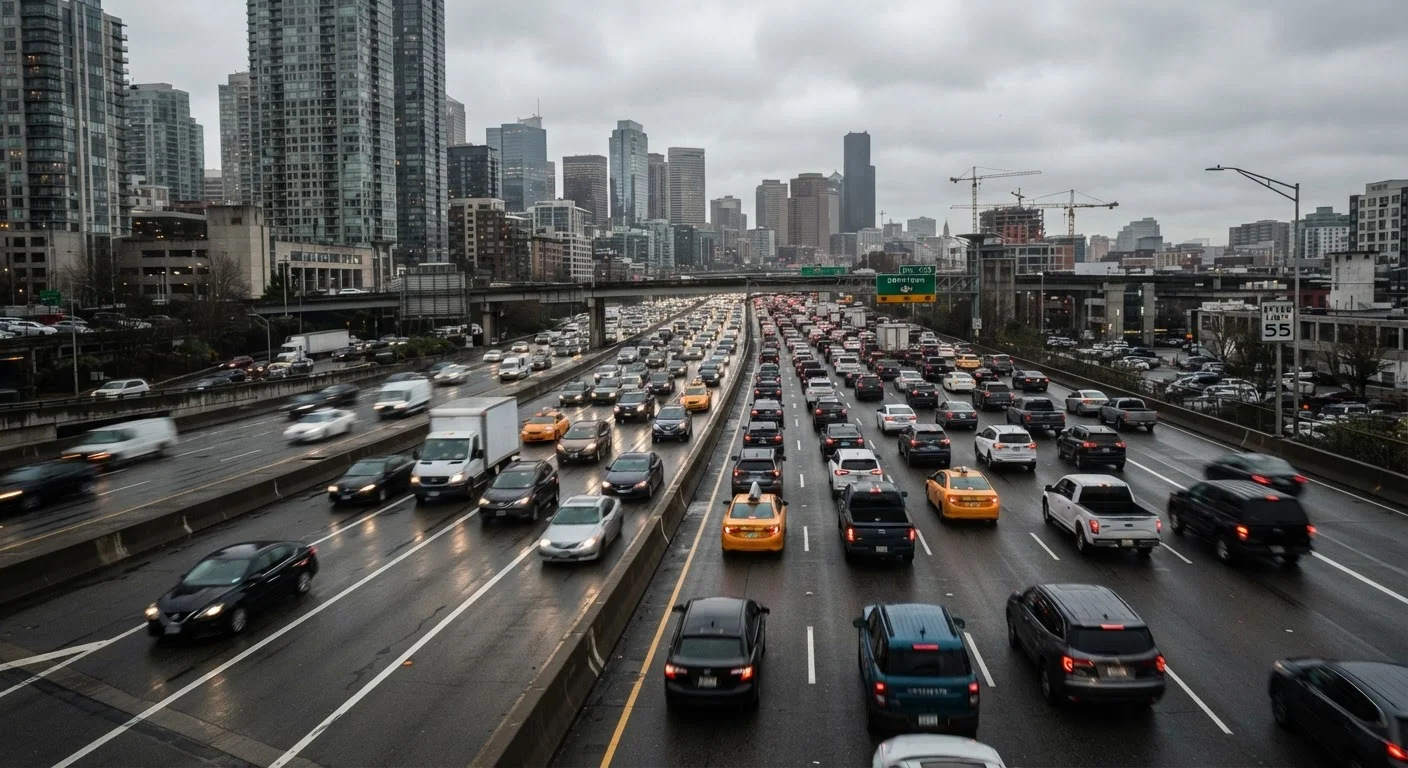
Other common restrictions include prohibitions on using any handheld device and requirements to wear a seatbelt at all times. Some states also limit freeway access during the learner's permit stage. For practice on different road types, see our comparison of city and highway driving skills.
How Parents Can Support the Process
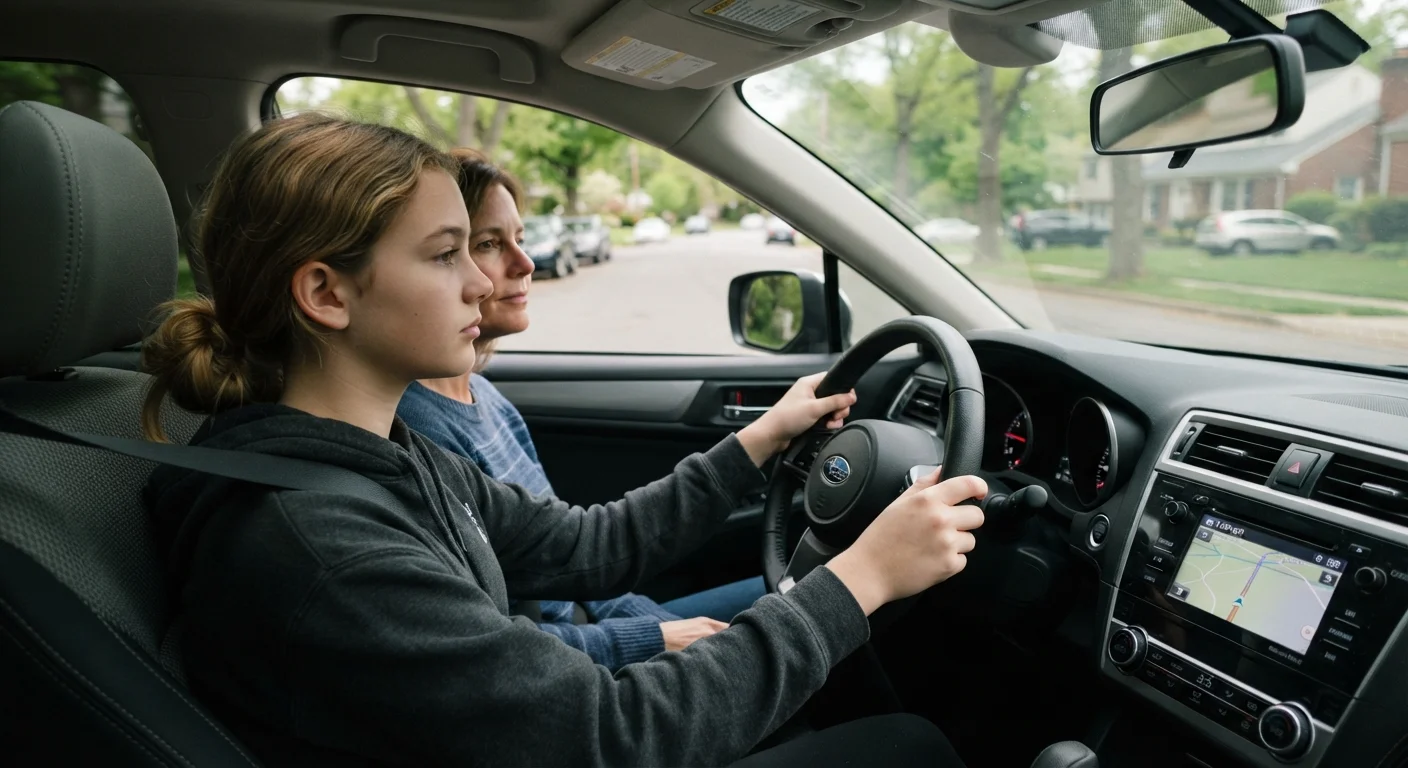
Parents are the most important variable in how well a GDL program works in practice. The required supervised hours aren't just a bureaucratic checkbox - they're an opportunity to build genuine skill across a range of conditions.
A few approaches that help:
- Vary the practice conditions. Drive in rain, at dusk, on unfamiliar roads, in parking lots, and on highways. Real-world driving throws unexpected situations at drivers constantly.
- Talk through what you're observing. Narrating hazards, decision points, and lane changes out loud helps a new driver develop hazard perception faster than silent practice.
- Stay calm. Anxious or reactive coaching makes teen drivers more tense and less likely to ask questions. A composed passenger encourages the kind of open communication that surfaces bad habits early.
- Model what you expect. Teens notice when adults speed, tailgate, or use phones while driving. Our guide on why tailgating is more dangerous than it looks is worth reviewing together.
Keep a Driving Log
Many states require a signed log of supervised practice hours before a teen can advance to the next GDL stage. Starting the log from day one saves a lot of scrambling later. A simple notebook or a dedicated app works fine - the goal is an honest, accurate record of conditions, routes, and time behind the wheel.
Building Habits That Last Beyond the License
Earning a full license is a milestone, but it doesn't mark the end of the learning curve. Most crash risk for young drivers peaks in the first year of fully independent driving - when supervision is gone but experience is still limited.
The habits built during the GDL period carry real weight. Consistent seatbelt use, phone-free driving, and maintaining safe following distances are all behaviors that are easier to establish early than to correct later. Once a teen is ready to think about vehicle ownership, our overview of first-time car ownership covers what that next step involves, from insurance to maintenance basics.
GDL programs are one of the more well-supported policy tools in road safety. But they work best when families treat the requirements as a floor - a minimum standard - rather than the full picture of what a prepared driver looks like.