How Each Method Works
Both the debt avalanche and debt snowball are structured repayment strategies designed for people managing multiple debts simultaneously - think credit cards, personal loans, medical bills, and auto loans all at once. The core mechanic is identical: you make minimum payments on every debt each month, then direct any remaining available funds toward one specific target debt. Where the strategies diverge is in how they select that target.
If you're just getting started with borrowing concepts, our plain-language intro to debt covers the fundamentals before diving into repayment strategy.
Debt Avalanche: You list all your debts by interest rate - from highest to lowest - and attack the top of that list first. Once the highest-rate debt is paid off, you roll its freed-up payment amount toward the next highest rate, and so on.
Debt Snowball: You list debts by balance - from smallest to largest - and eliminate the smallest first. Each payoff frees up funds that roll into the next target, and the "snowball" grows in size as you go.
| Criterion | Debt Avalanche | Debt Snowball |
|---|---|---|
| Repayment order | Highest interest rate first | Smallest balance first |
| Total interest paid | Lower (mathematically optimal) | Potentially higher |
| Time to first payoff | Can be longer if top debt is large | Faster early wins |
| Motivational reinforcement | Relies on discipline and long-term focus | Frequent milestones build momentum |
| Best suited for | Disciplined planners focused on savings | Those who need visible progress |
| Complexity | Simple - sort by rate and target top | Simple - sort by balance and target bottom |
The Math vs. The Psychology
On a purely mathematical level, the avalanche method wins. Because it attacks high-interest debt first, less of each payment goes toward interest charges over time. Depending on the debt mix, this can translate into meaningful savings - sometimes hundreds or even thousands of dollars compared to the snowball approach.
~$1,000+
Potential interest savings with avalanche over snowball
The difference varies widely by debt mix; higher balances and wider rate spreads increase the gap between the two methods.
77%
Americans carrying some form of debt
According to Experian's 2023 Consumer Credit Review, the vast majority of U.S. adults hold at least one form of outstanding debt.
But behavioral finance research consistently finds that people often abandon financially optimal plans when motivation dries up. Paying minimums on a large credit card balance for months while clearing a small debt elsewhere feels counterintuitive - and for many people, it leads to discouragement. The snowball method trades some mathematical efficiency for psychological traction: each eliminated balance is a genuine milestone.
It's worth remembering that neither method helps if you continue accumulating new debt. A solid monthly budget is essential alongside either strategy. See our budgeting basics hub for practical planning tools.
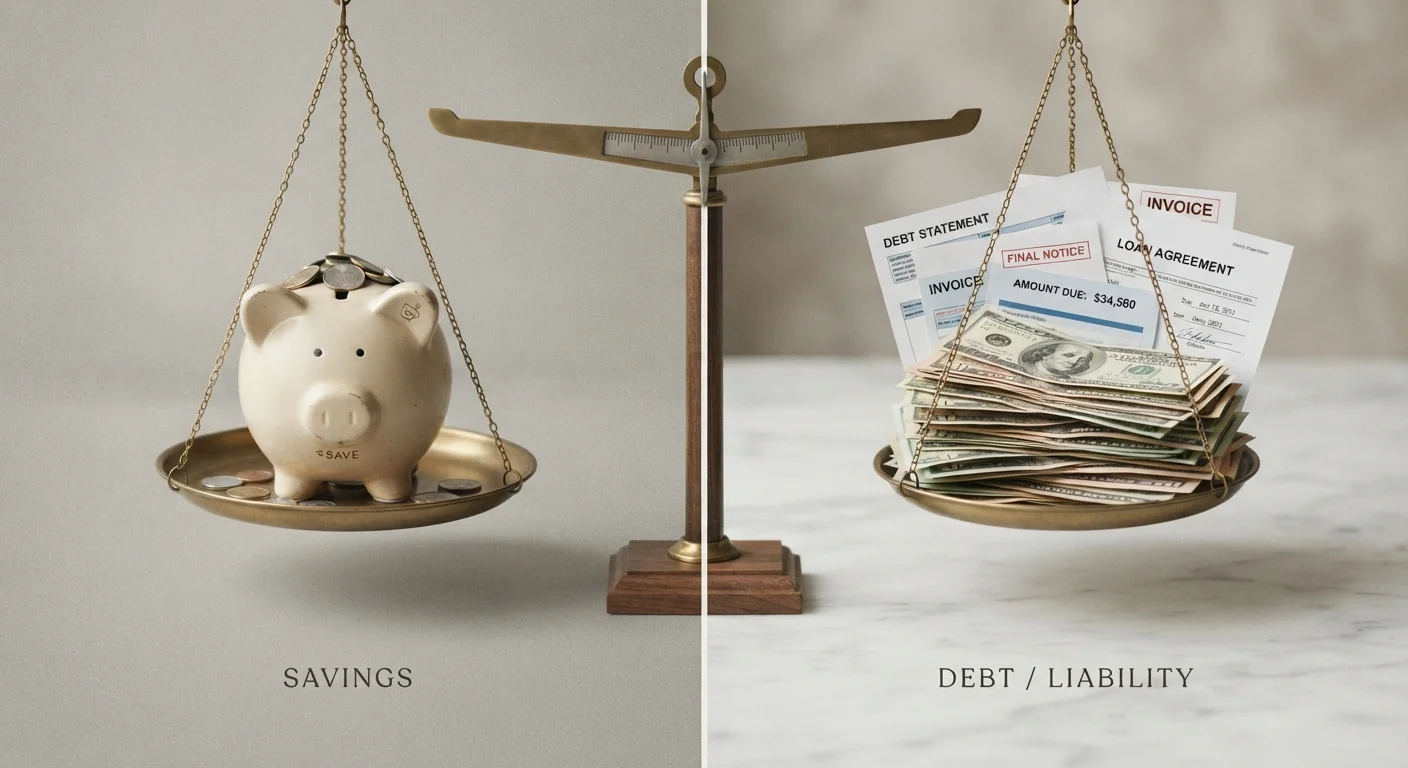
If you're also weighing whether to put extra money toward debt at all versus building savings, this article on the debt-versus-savings trade-off walks through how to think about that decision based on your situation.
Practical Considerations Before You Choose
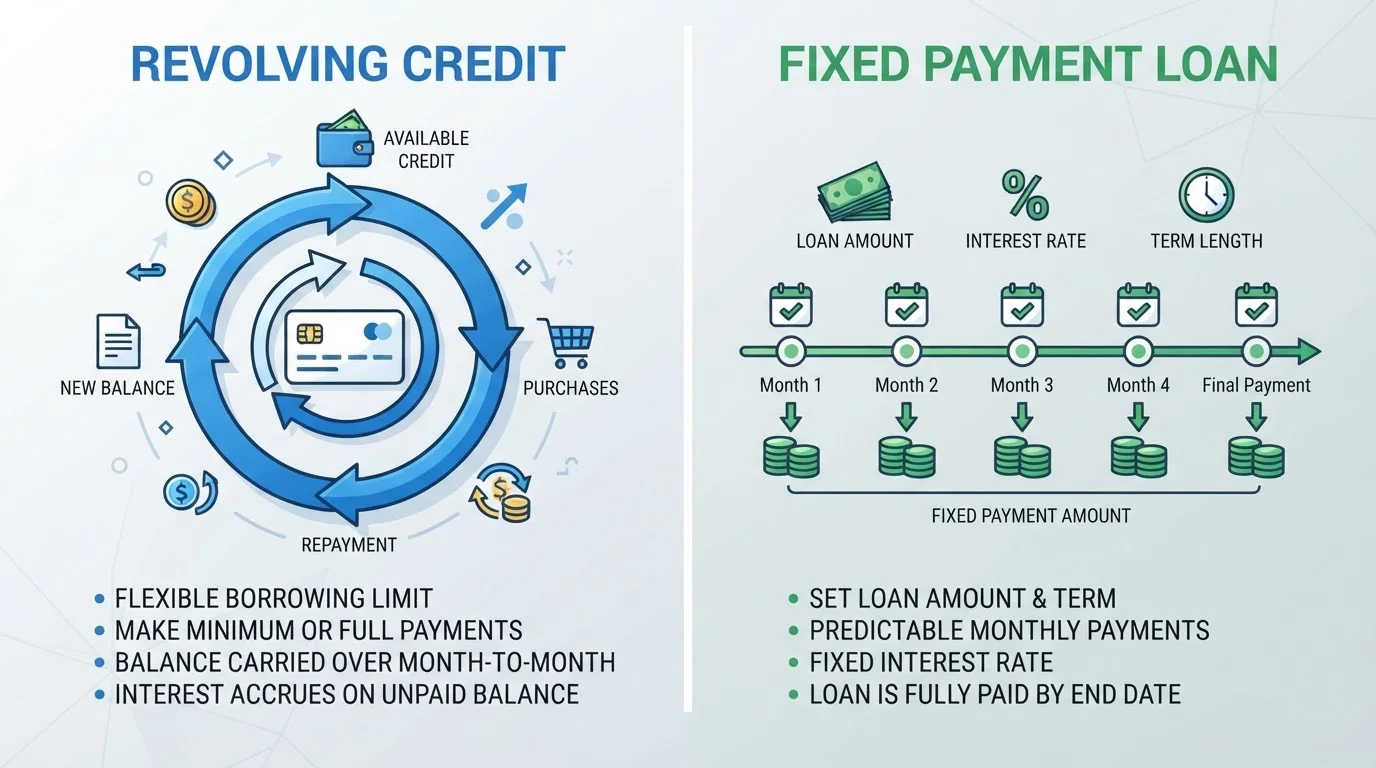
Your debt mix matters. If your debts involve very different structures - for example, revolving credit card debt alongside a fixed installment loan - understand how each works before prioritizing. Our guide to revolving credit vs. installment loans explains how these debt types differ in ways that can affect your strategy.
Also consider whether debt consolidation might be relevant before committing to either method. Consolidation can simplify multiple debts into one and potentially lower your overall rate - but it works differently than many people expect. What debt consolidation actually does is a useful explainer before making that call.
Finally, think honestly about your own track record. If you've started debt repayment plans before and abandoned them, the snowball's early wins may be worth the modest extra interest cost. If you're motivated by long-term numbers and can stay the course, the avalanche's savings are real and worth capturing.
What About Secured vs. Unsecured Debt?
Both the avalanche and snowball methods typically apply to unsecured debts like credit cards and personal loans. Secured debts - such as mortgages and auto loans - carry different risks if payments are missed, including potential asset loss. Before applying either strategy, it's worth understanding how your debt mix breaks down. Secured vs. unsecured debt explains what distinguishes them and why that matters for your repayment decisions.
This article is for general educational purposes only and does not constitute personalized financial or legal advice. Consult a qualified financial professional for guidance specific to your situation.