
The Core Mechanic: What Consolidation Actually Does
When you consolidate debt, you take out a new credit product - usually a personal loan or a balance transfer card - and use it to pay off several existing balances. You then make a single monthly payment on the new account instead of managing multiple due dates, interest rates, and minimum payments.
The potential financial benefit rests entirely on one variable: the interest rate. If your new consolidated loan carries a lower rate than the average rate across your old debts, you pay less in interest over time. If it doesn't, consolidation may offer organizational convenience but no real cost savings - and could cost you more if the repayment term is longer.
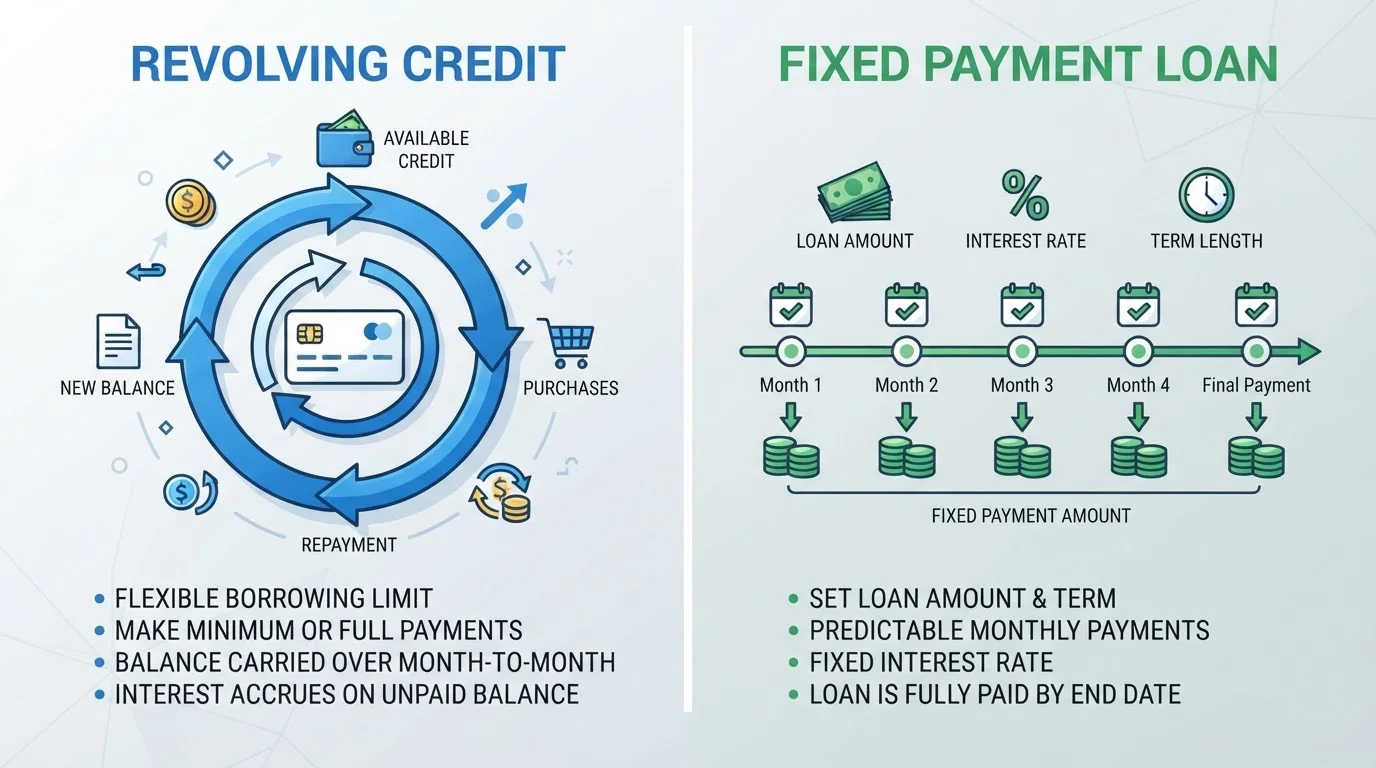
Understanding how revolving credit and installment loans work differently matters here: credit cards are revolving accounts with variable rates, while a consolidation loan is typically an installment product with a fixed rate and a set payoff date. That structural shift changes how interest accumulates and how long payoff takes.
~$1.13T
Total U.S. credit card debt outstanding
According to Federal Reserve data, Americans collectively carry over a trillion dollars in revolving credit card balances, underlining the scale of high-interest debt many households manage.
20%+
Average credit card interest rate
The Federal Reserve has reported average credit card interest rates exceeding 20% APR in recent years, making the rate differential in consolidation a critical factor to evaluate.
7-36%
Typical personal loan APR range
Personal loan rates vary widely depending on creditworthiness; borrowers with strong credit may qualify for rates well below average card rates, while those with weaker profiles may not see meaningful savings.
What Debt Consolidation Does Not Do
Consolidation is widely marketed as a debt solution, but it's more accurately a debt restructuring tool. Several things it does not do are worth stating plainly:
- It doesn't reduce the principal. You still owe the same total amount; you're just paying it to a different lender.
- It doesn't fix the underlying behavior. If overspending or income gaps created the debt, consolidation doesn't address those causes. Many people consolidate card balances and then gradually accumulate new balances on the same cards - resulting in more total debt.
- It doesn't always save money. Stretching a balance over a longer term lowers monthly payments but can increase total interest paid. Always calculate the full cost, not just the monthly figure.
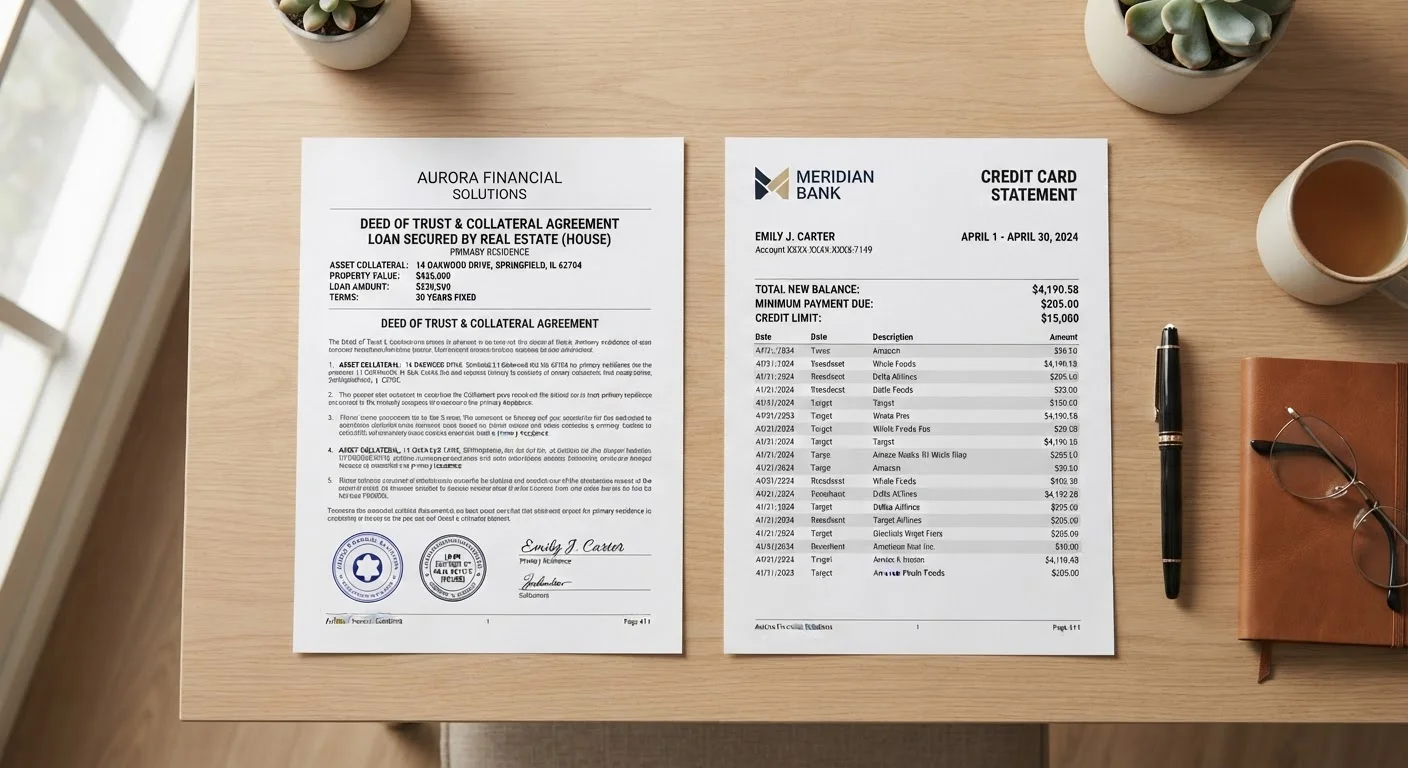
- It doesn't eliminate risk - it may shift it. Using a home equity loan to consolidate credit card debt converts unsecured debt into secured debt, putting your home at risk if payments stop.
Calculate Total Cost, Not Just Monthly Payment
A lower monthly payment can be misleading if it comes from a longer loan term rather than a lower rate. Before accepting any consolidation offer, multiply the monthly payment by the number of months and compare that total to what you'd pay keeping your current balances. A free online loan amortization calculator makes this comparison straightforward.
How to Evaluate Whether Consolidation Makes Sense
The case for consolidation is strongest when three conditions align: you qualify for a meaningfully lower interest rate, you can commit to not adding new high-rate debt, and the payoff timeline is realistic given your income.
Start by calculating the weighted average interest rate across all the debts you'd consolidate. If the new loan's rate beats that average - and the loan term doesn't dramatically extend your payoff period - the math may favor consolidation.
Also consider alternatives. The debt avalanche and debt snowball methods offer structured payoff strategies without taking on new credit. For some borrowers, these approaches may be more effective than consolidation, particularly if qualification for a low-rate loan is uncertain.
If your goal is to free up cash flow to redirect toward savings or other financial priorities, it's worth reading about how to weigh paying down debt against building savings before deciding.
This article is for general informational and educational purposes only and does not constitute personalized financial, legal, or tax advice. Consult a qualified financial professional before making decisions about your specific debt situation.