What Makes Debt 'Secured' or 'Unsecured'?
Every debt you take on falls into one of two fundamental categories. The distinction comes down to a single question: is there an asset backing the loan?
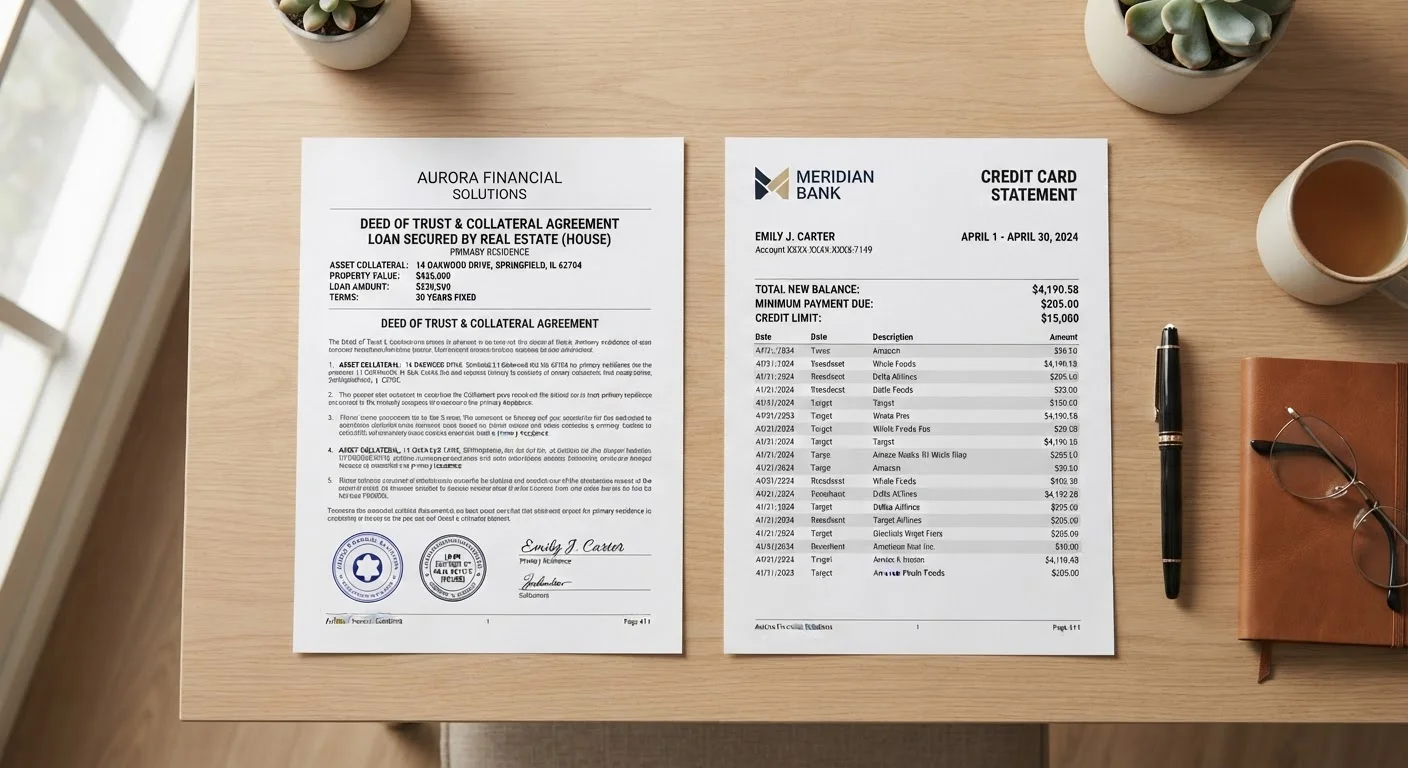
Secured debt requires you to pledge a specific asset - called collateral - as a condition of borrowing. If you stop making payments, the lender has a legal right to seize that asset to recover what they're owed. Mortgages and auto loans are the most common examples. When you take out a mortgage, your home is the collateral. When you finance a vehicle, that car secures the loan.
Unsecured debt involves no such pledge. The lender extends credit based on your credit history, income, and overall financial profile - not a specific asset. Credit cards, personal loans, medical bills, and student loans (in most cases) are unsecured. If you default, the lender cannot immediately claim a piece of your property; instead, they pursue repayment through other means.
If you're newer to borrowing, the plain-language introduction to debt covers these foundational concepts in greater depth.
| Criterion | Secured Debt | Unsecured Debt |
|---|---|---|
| Collateral required | Yes - a specific asset is pledged | No - credit profile only |
| Typical interest rates | Generally lower | Generally higher |
| Common examples | Mortgage, auto loan, secured credit card | Credit card, personal loan, medical bill |
| Default consequence | Repossession or foreclosure | Collections, possible lawsuit, wage garnishment |
| Lender risk level | Lower - asset backstops the loan | Higher - no specific asset to claim |
| Approval criteria | Asset value plus creditworthiness | Creditworthiness and income |
| Credit score impact (default) | Severe negative impact | Severe negative impact |
How Each Type Affects Interest Rates and Lender Risk
The collateral requirement in secured debt fundamentally changes the lender's risk calculation. If a borrower defaults, the lender can liquidate the pledged asset to recoup losses. That safety net allows lenders to offer lower interest rates on secured products. Mortgages and auto loans typically carry rates well below those of credit cards or unsecured personal loans for this reason.
Unsecured lenders take on more risk because no specific asset backs their loan. To compensate, they charge higher interest rates and may require stronger credit profiles for approval. This is why credit card annual percentage rates (APRs) are often significantly higher than mortgage rates.
~$1.1T
Total U.S. revolving consumer debt outstanding
According to Federal Reserve G.19 Consumer Credit data, revolving debt (primarily credit cards, which are unsecured) has consistently exceeded one trillion dollars in recent years.
~20%
Average credit card APR in the U.S.
Federal Reserve data indicates average credit card interest rates have been near or above 20% in recent periods, far exceeding typical secured loan rates.
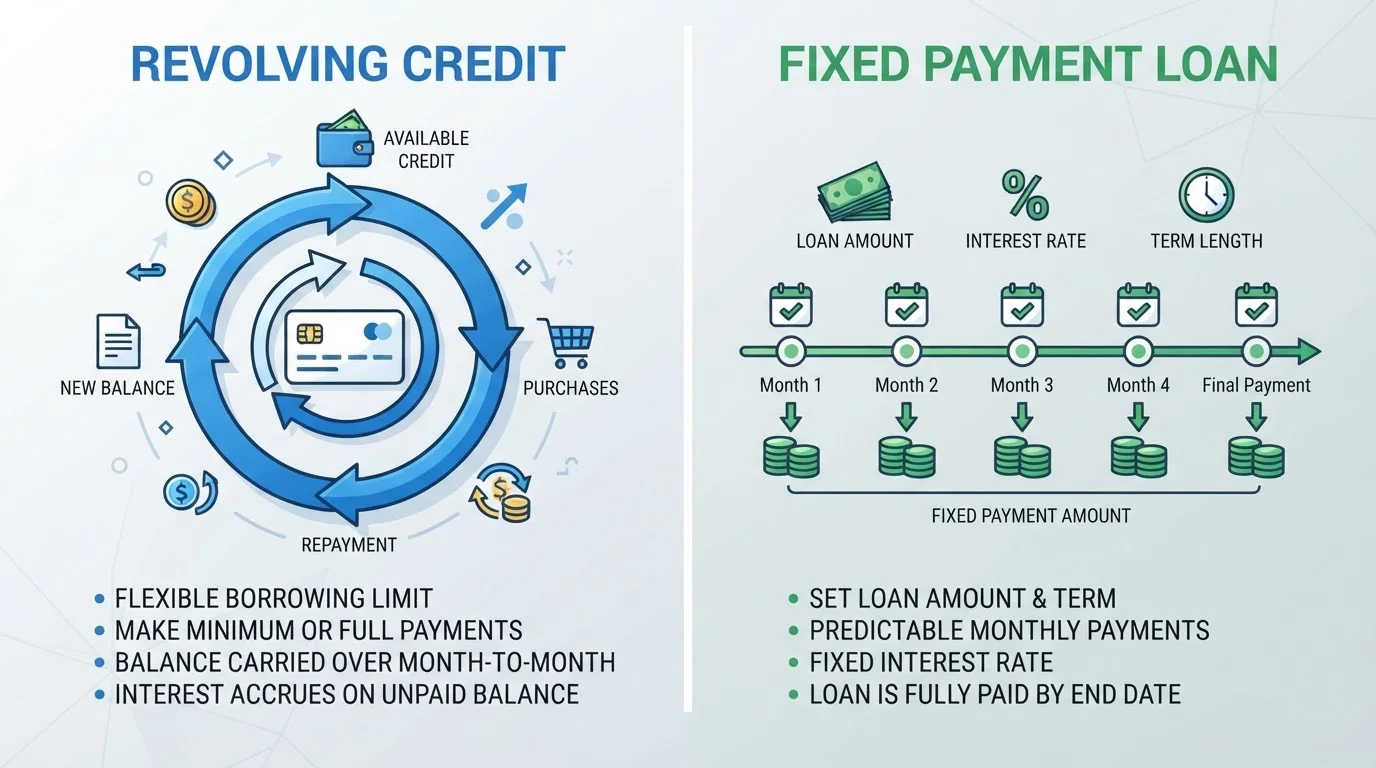
It's worth noting that the type of debt - secured or unsecured - is separate from whether it uses a revolving or installment structure. For a deeper look at that distinction, see our article on revolving credit vs. installment loans.
What Happens When You Default?
The consequences of missing payments differ sharply depending on which type of debt is involved.
Defaulting on Secured Debt
When you stop paying a secured loan, the lender can initiate a process to take the collateral. For mortgages, this is foreclosure - a legal process through which the lender can ultimately sell your home to satisfy the debt. For auto loans, this is repossession - often faster and requiring less court involvement than foreclosure. Losing a home or vehicle carries obvious practical consequences beyond the financial ones.
Defaulting on Unsecured Debt
Without collateral to seize, lenders pursue other remedies. Unpaid balances are typically sent to collections, which damages your credit score. If collection efforts fail, the lender may file a lawsuit. A court judgment can, in some states, lead to wage garnishment or bank account levies. These consequences are serious, even if they unfold more slowly than repossession or foreclosure.
Deficiency Balances After Repossession
If a lender repossesses your collateral and sells it for less than your remaining loan balance, you may still owe the difference - known as a deficiency balance. For example, if you owe $15,000 on a repossessed vehicle and it sells at auction for $10,000, the lender could pursue you for the remaining $5,000. State laws vary on whether and how lenders can collect deficiency balances, so it's worth understanding your state's rules if you're facing default.
In either scenario, your credit report takes a hit - often a severe one - making future borrowing more difficult and expensive. When deciding how to handle existing debt, our piece on paying down debt vs. building savings can help you think through priorities.
Making Sense of the Trade-Offs Before You Borrow
Neither debt type is inherently good or bad. Each has legitimate uses and real risks. The right choice depends on your financial situation, what you're financing, and how much risk you're willing to accept.
Secured debt makes sense when you're financing a long-term, high-value asset and want lower borrowing costs. Unsecured debt offers flexibility when you don't want to put a specific asset at risk - though that flexibility comes at a price in interest charges. The good debt vs. bad debt framework is a useful complement to this thinking, though it has limitations worth understanding.
Before signing any loan agreement, work through key questions about your income stability, existing obligations, and ability to sustain payments if circumstances change. Our pre-loan checklist offers a structured way to do that. And if you're managing multiple debts already, reviewing debt repayment strategies may help you decide where to focus first.
This article is for general informational and educational purposes only and does not constitute personalised financial, legal, or investment advice. Consult a qualified financial professional before making decisions about borrowing or debt management.