What Sets These Two Approaches Apart
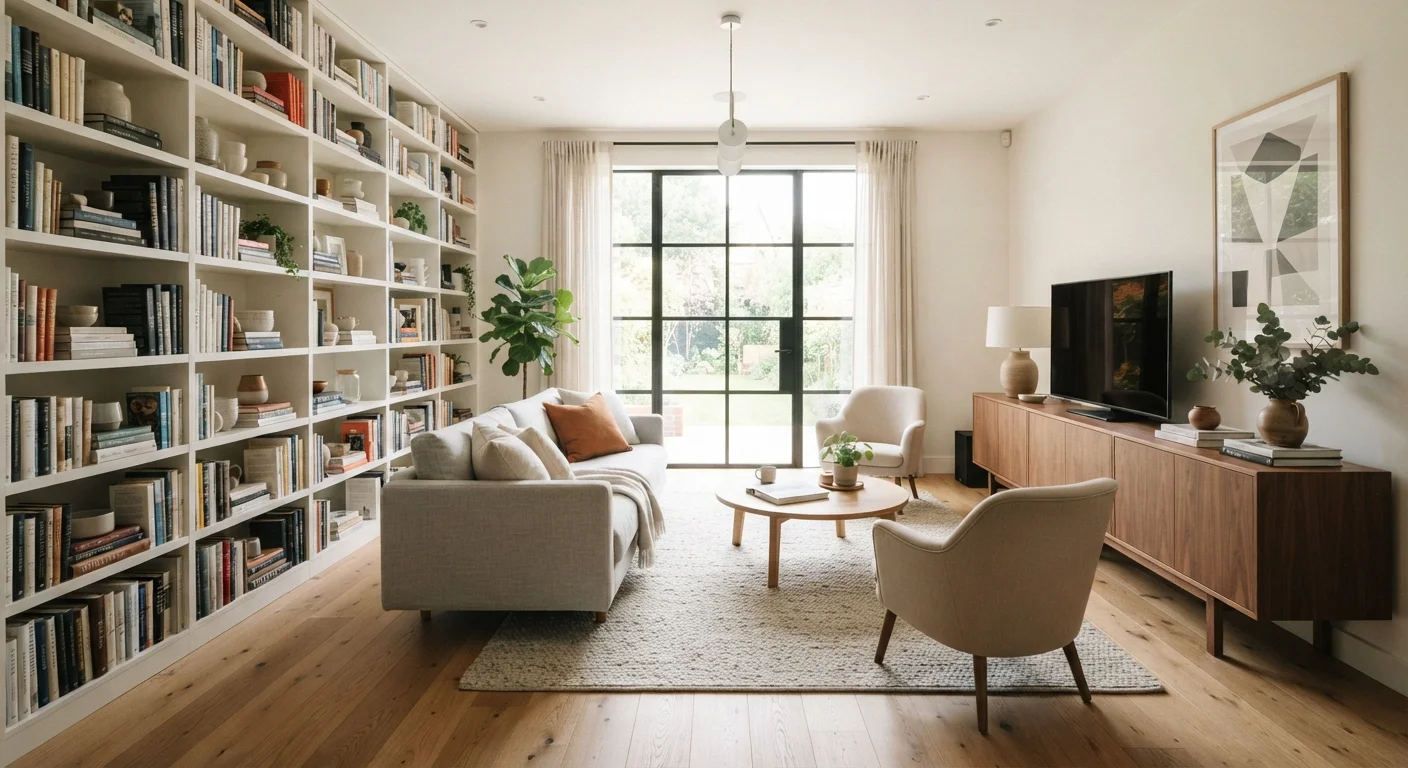
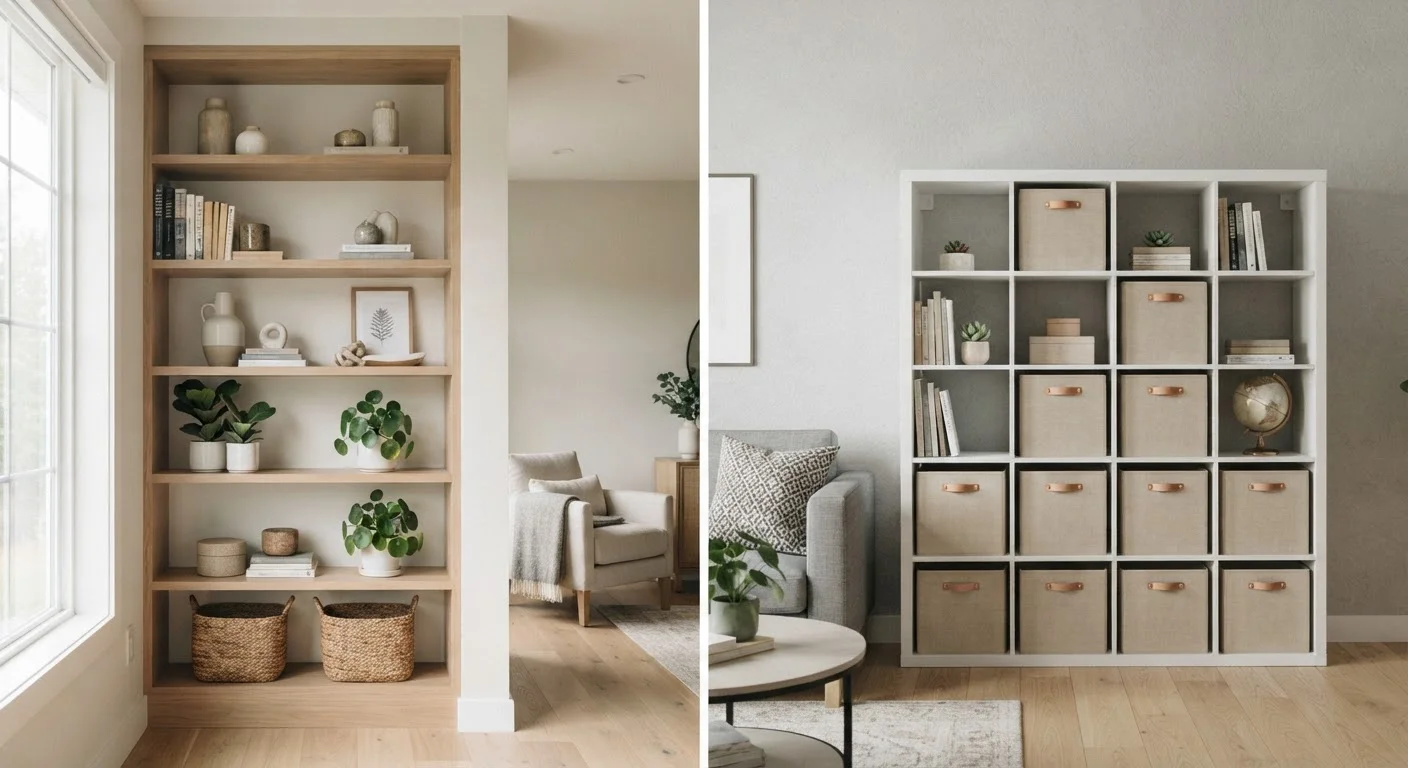
Fixed shelving refers to storage built directly into a wall or framed as a permanent structure - think floor-to-ceiling built-ins, recessed alcove shelves, or anchored garage shelving. Once installed, these units are designed to stay in place. Modular storage systems, by contrast, are freestanding configurations assembled from interchangeable components: cubes, towers, drawers, and brackets that can be rearranged or relocated as needs change.
The distinction matters because the decision isn't just about aesthetics - it affects your budget, your walls, and how adaptable your home is over time. For a deeper look at how spatial orientation plays into storage planning, see vertical vs. horizontal storage strategies.
| Criterion | Fixed Shelving | Modular Storage Systems |
|---|---|---|
| Installation | Professional often required | DIY-friendly assembly |
| Upfront Cost | Generally higher | Wide range; can be low |
| Portability | Not portable | Fully portable |
| Load Capacity | Typically higher | Varies by unit quality |
| Reconfigurability | Difficult; requires rebuild | Easy; components swap out |
| Wall Impact | Anchored; leaves marks | Minimal to none |
| Aesthetic Integration | Seamless, built-in look | Freestanding; varies by style |
| Resale Appeal | Can add perceived value | Neutral; moves with owner |
Cost, Installation, and What's Involved
Fixed shelving generally carries a higher upfront cost. Materials, custom carpentry, wall anchoring, and finishing work - particularly for recessed or floor-to-ceiling designs - add up quickly. Most built-in projects require a contractor, and depending on scope, may need a permit. Costs vary significantly by region, material (MDF versus solid wood, for example), and complexity.
Modular systems span a wide price range. Entry-level wire or particleboard units are budget-accessible, while high-quality steel or solid-wood modular systems can approach or exceed the cost of basic built-ins. The key difference is labor: most modular systems require only basic assembly tools and no professional help.
~$1,500-$5,000+
Typical built-in shelving project cost range
According to general contractor estimates, built-in shelving costs vary widely based on materials, room size, and regional labor rates.
Under $500
Entry-level modular system starting cost
Basic modular cube and shelving systems are widely available at accessible price points, though premium configurations cost significantly more.
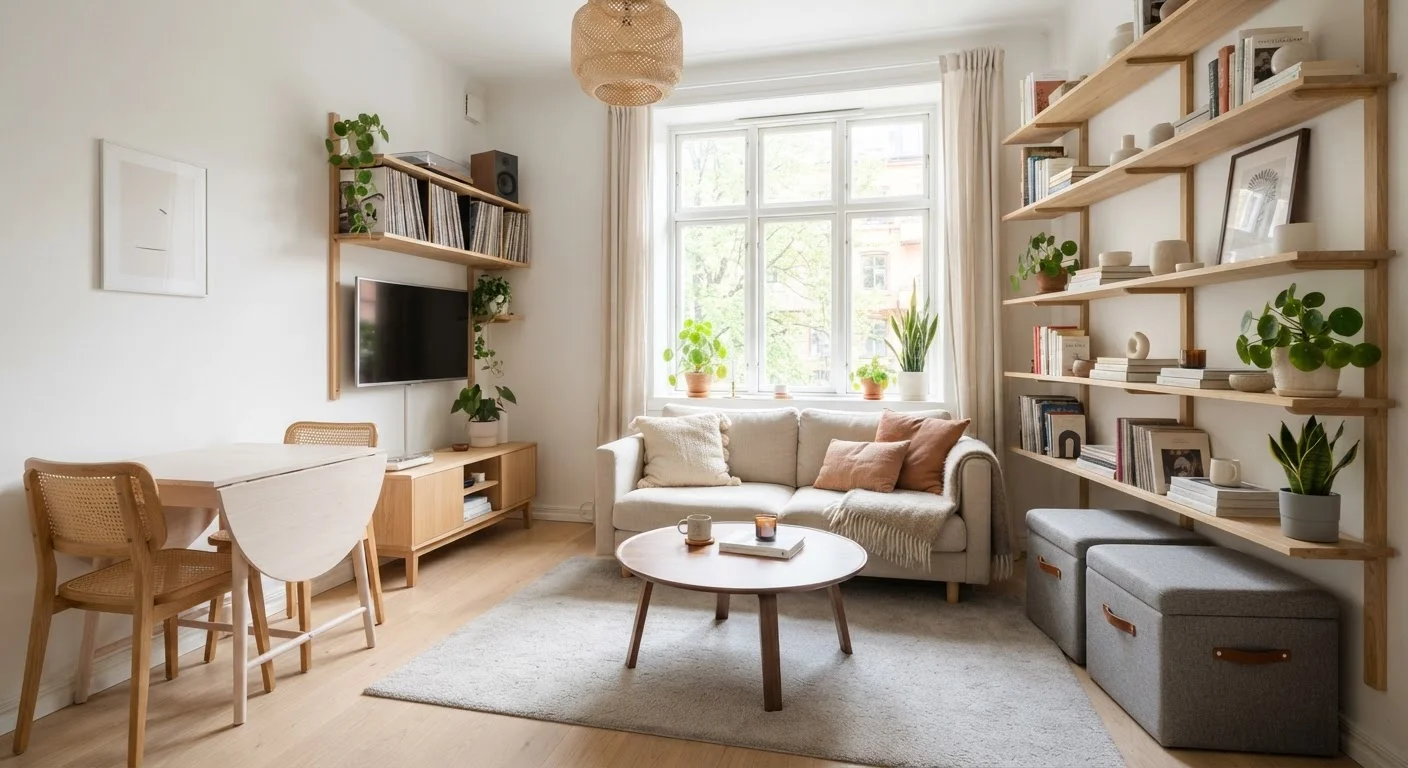
For small apartments or rooms where committing to permanent structures isn't practical, modular flexibility is especially valuable. Our guide on storage strategies for compact homes explores how to make the most of limited square footage regardless of which system you choose.
Adaptability, Longevity, and Real-World Use
Fixed shelving wins on durability and load capacity. Properly anchored built-ins can hold heavy books, tools, or equipment without flex or wobble. They're difficult to damage accidentally and, when well-constructed, can outlast the rest of the room's furnishings. The trade-off is inflexibility: if your needs shift - a growing family, a new hobby, a home office - reconfiguring fixed shelving often means demolition and rebuilding.
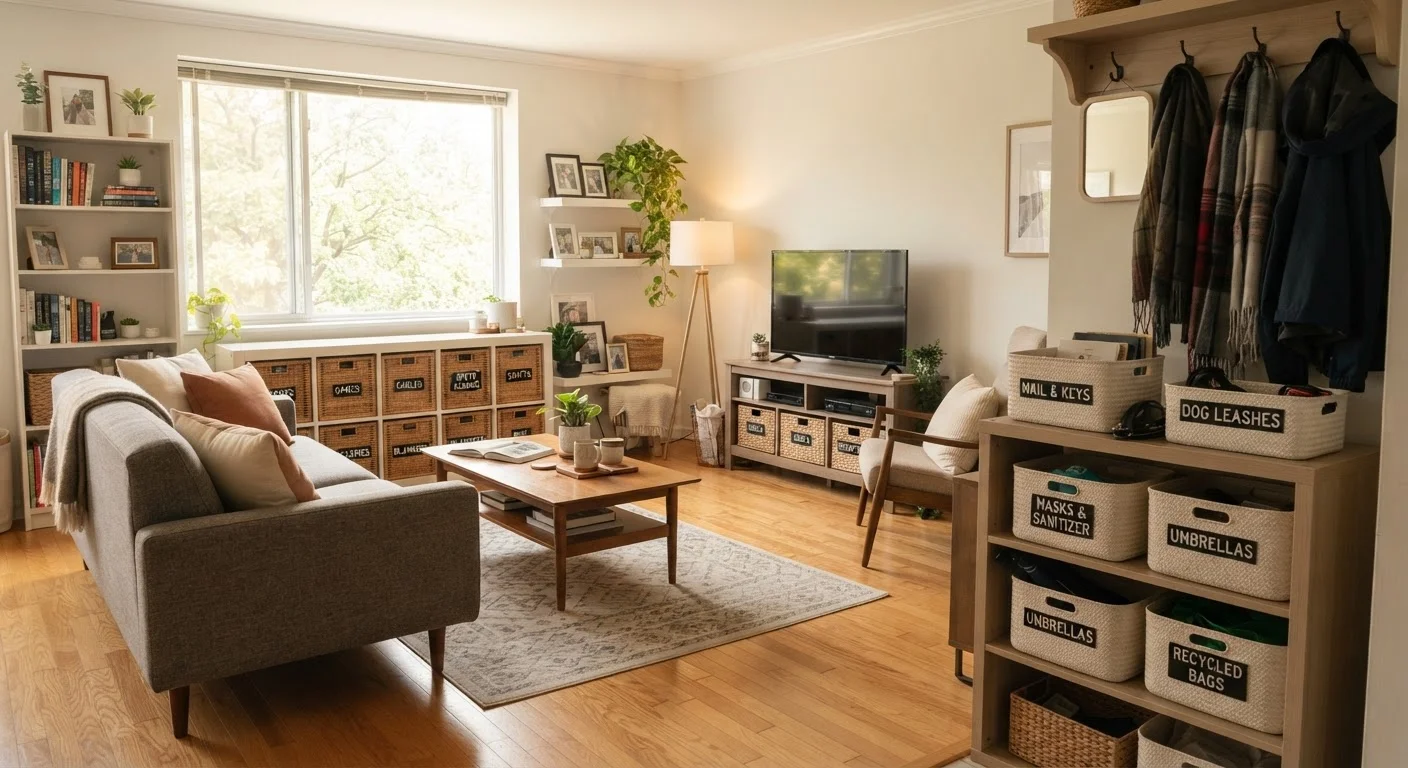
Modular systems accommodate change more gracefully. Adding a drawer unit, swapping shelf heights, or moving an entire system to a different room typically takes minutes rather than days. For households with varied habits or multiple occupants, this adaptability is a genuine advantage. See how shared storage can be structured to suit different users in organizing a home with others.
Renters: Check Before You Anchor
Even lightweight fixed shelving typically requires drilling into walls, which may violate lease terms. Always review your rental agreement and discuss any planned modifications with your landlord before installation. Modular freestanding systems are generally the safer choice for rental properties, as they leave walls intact and move with you when the lease ends.
In kitchens specifically, the interplay between fixed cabinetry and adjustable interior storage is worth examining carefully. The principles outlined in kitchen organization principles apply whether you're working with built-ins or modular pantry units. Similarly, closet organization - covered in detail in our article on the capsule closet approach - often benefits from a hybrid of fixed hanging rods and modular drawer inserts.