What Minimalist Organization Actually Means
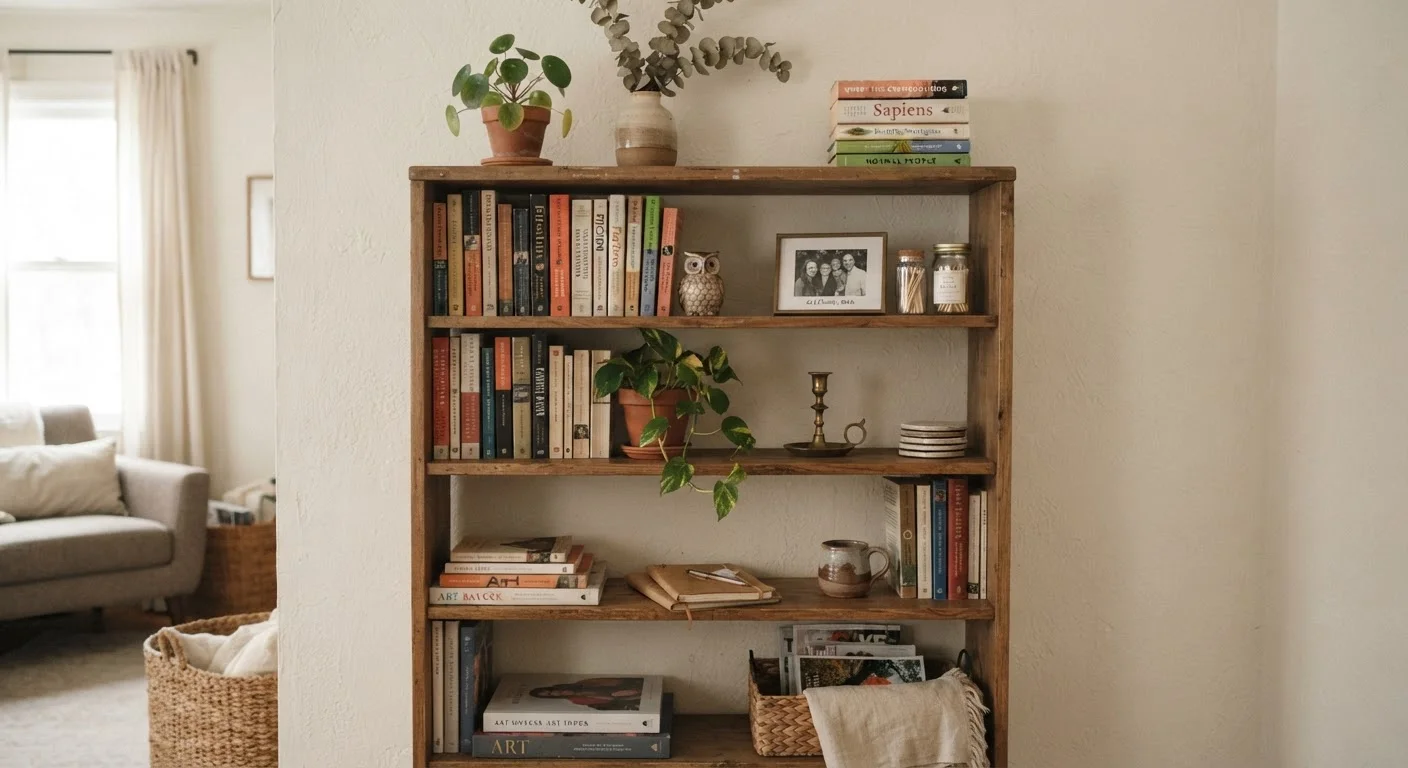
Minimalist organization is the practice of intentionally reducing what you own and how you store it - keeping only what you actively use or genuinely value, and giving everything a clear, visible place. It draws from broader minimalist philosophy but applied specifically to how a home functions day to day.
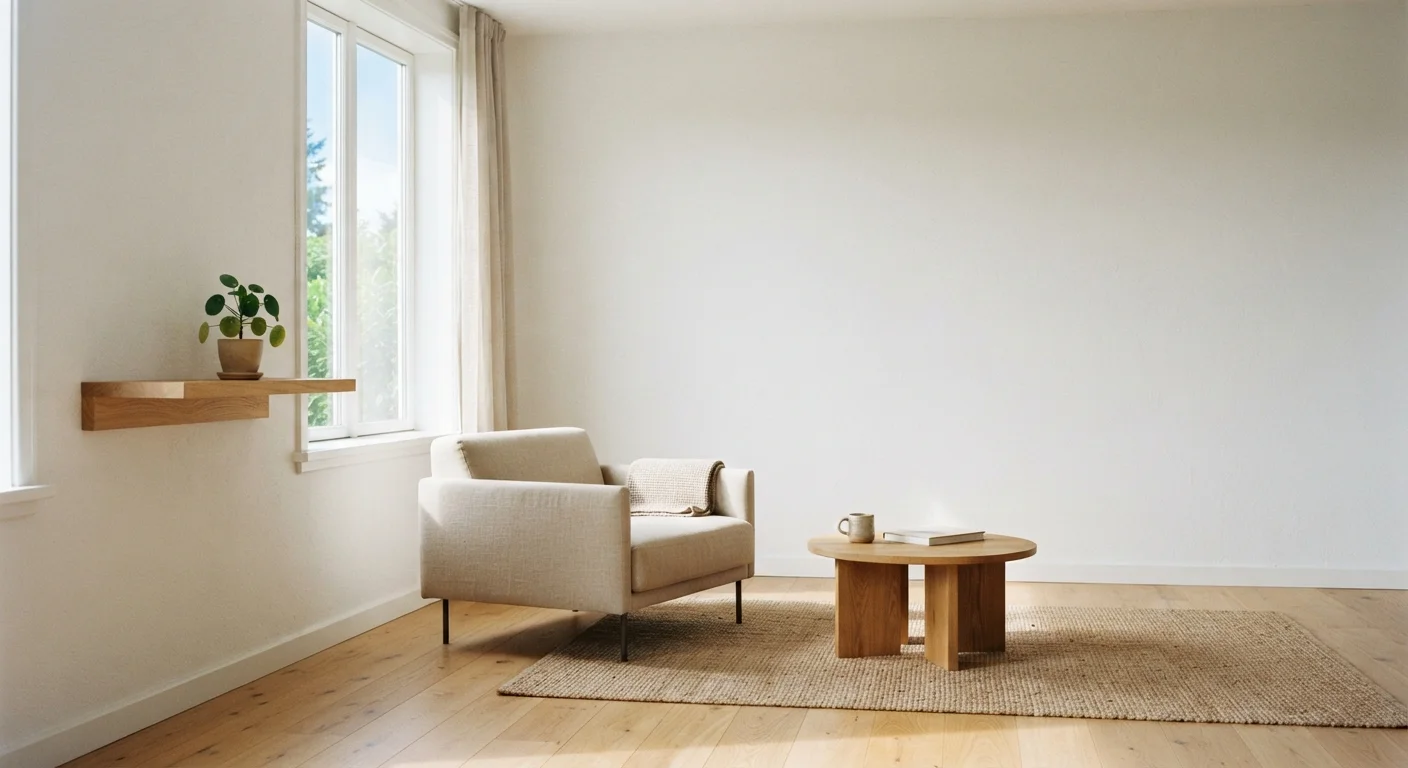
It's worth separating minimalist aesthetics - bare surfaces, neutral palettes, picture-perfect rooms - from minimalist function. The aesthetic is optional. The functional core is about reducing decision fatigue and making spaces easier to maintain. What 'organized' really means has less to do with appearances than most people assume.
Understanding this distinction matters before weighing the pros and cons, because many of minimalism's drawbacks come from pursuing the aesthetic rather than the underlying logic.
The Real Advantages
Reduces daily decision fatigue and mental clutter
Fewer possessions mean fewer micro-decisions about where things live, what to keep, or what to replace. This can meaningfully lower background stress in a home environment.
Easier and faster routine cleaning
Clear surfaces and minimal items mean dusting, vacuuming, and tidying take less time. A spare bedroom with little furniture, for example, can be cleaned in minutes rather than moved around.
Makes functional storage systems simpler to maintain
When you own less, storage systems don't need to be elaborate. Items are easier to find and return, which makes the whole household run more smoothly over time.
Can lower ongoing household costs
Owning fewer items generally means spending less on replacements, storage solutions, and organizational products. A minimalist approach discourages impulse purchases by making the cost of adding something visible.
The most consistent benefit reported by people who adopt minimalist organization is reduced mental load. When counters are clear and storage is predictable, the home stops generating low-level stress. You spend less time searching for things, less time tidying before guests arrive, and less time making decisions about where things go.
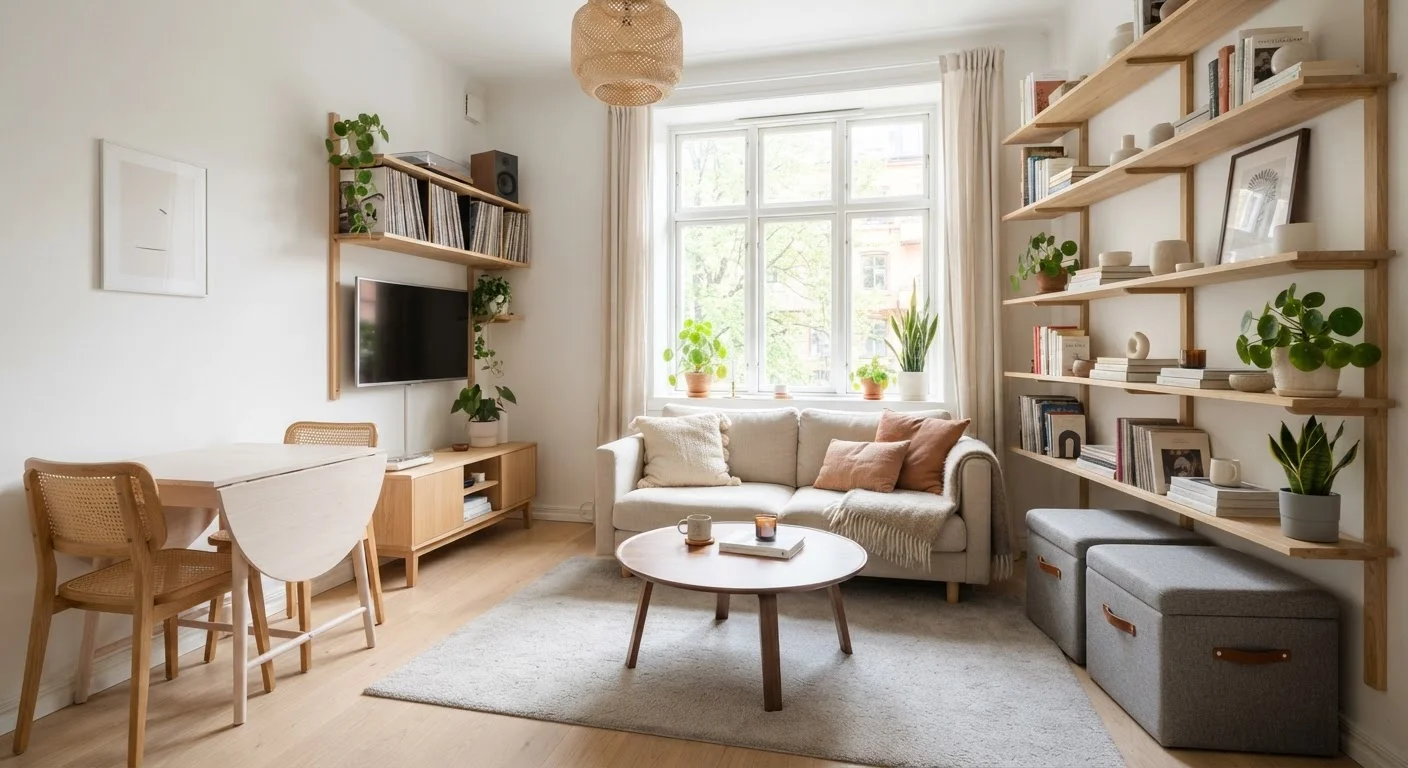
Minimalism also tends to make small-space living more manageable - fewer possessions mean limited square footage works harder.
The Real Drawbacks
Sentimental items create genuine conflict
Minimalism's emphasis on utility sits uncomfortably with heirlooms, gifts, and memory-laden objects. Many people find the emotional cost of discarding sentimental items outweighs the organizational benefit.
Requires constant vigilance to maintain
Unlike other organization systems, minimalism doesn't stay in place passively - new items regularly enter the home and must be actively evaluated. Without this habit, spaces quickly revert to clutter.
Can be impractical for households with children
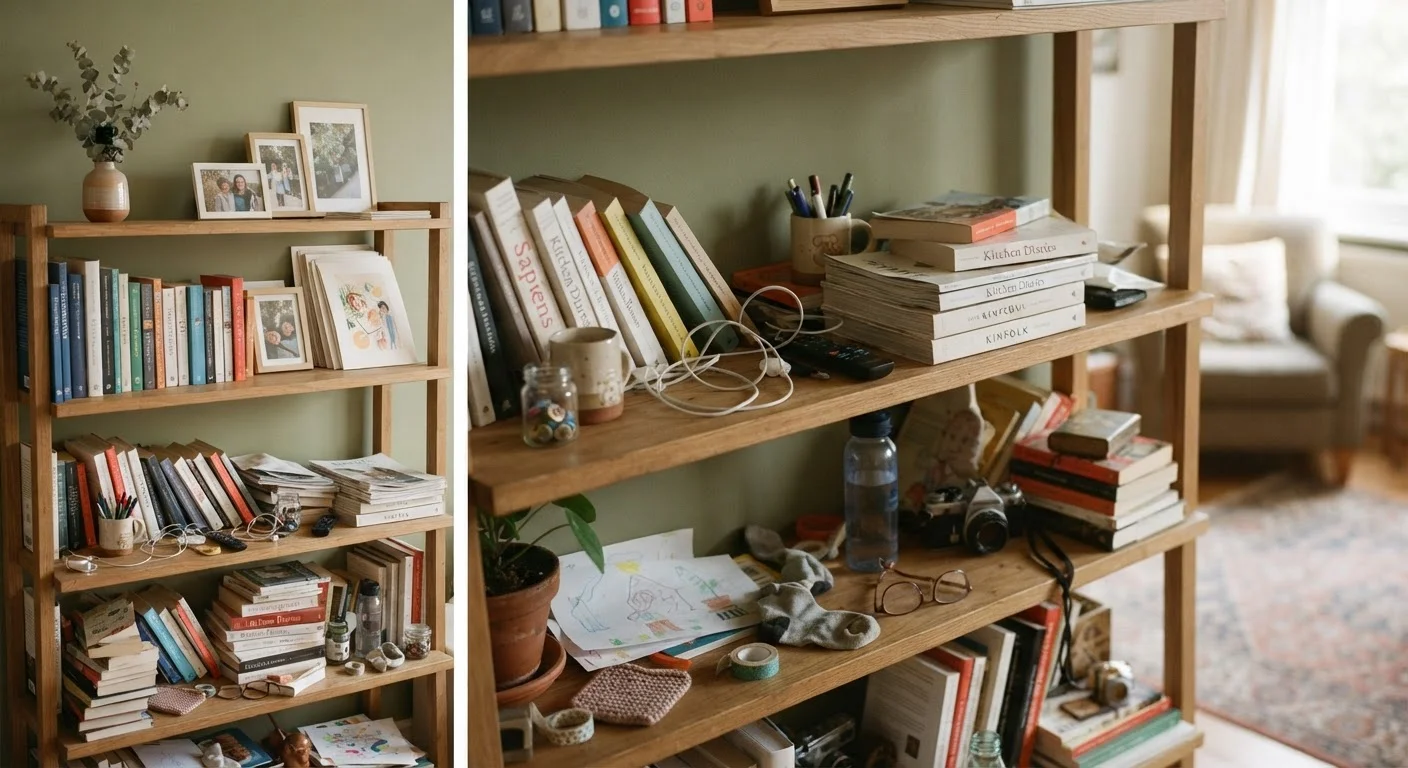
Children accumulate toys, art supplies, books, and gear at a pace that's difficult to manage minimally. Strict minimalism in family homes often creates tension between adults' preferences and children's developmental needs.
Risk of discarding items that are later needed
Overzealous decluttering sometimes means getting rid of items that turn out to be useful, leading to the expense and inconvenience of replacing them. This is a common outcome when decluttering is done quickly or under pressure.
May not suit people with hobbyist or creative lifestyles
Crafters, musicians, gardeners, and makers often require tools, materials, and equipment that look like clutter to outsiders but are genuinely functional. Minimalism can create real friction for these households.
Perhaps the most underappreciated drawback is the ongoing maintenance minimalism demands. An organized minimalist space doesn't stay that way automatically - it requires regular reassessment of what enters the home. Without that discipline, clutter returns quickly, which can feel demoralizing. Why organized spaces fall apart often traces back to systems that don't account for how people actually live.
Minimalism Is a Spectrum, Not a Rule
There's no single definition of minimalist organization, and no threshold of possessions that qualifies as 'minimal enough.' What works is whatever reduces friction in your specific household. Rigid interpretations - 'own fewer than 100 things' or 'keep all surfaces completely bare' - are personal choices, not standards. Apply the principles that help and leave the rest.
When Minimalism Meets Shared Households
Minimalist organization works most smoothly when everyone in a household is on board - which is rarely guaranteed. One person's "unnecessary clutter" is another's treasured collection. Imposing a minimalist system on a partner, child, or roommate tends to create conflict rather than calm.
Organizing a home with others requires negotiation and compromise that strict minimalism doesn't always accommodate. A more practical approach is to apply minimalist principles to shared zones - entryways, kitchens, common areas - while allowing personal spaces to reflect individual preferences.
47%
Adults who say home clutter causes stress
According to a survey by the American Psychological Association, nearly half of adults identify a disorganized home environment as a notable source of stress.
1 in 4
US households with a garage that can't fit a car
The U.S. Department of Energy has noted that roughly one in four American garages are too full of stored items to accommodate a vehicle - illustrating how widespread storage challenges are.
Finding a Middle Ground
For most households, the most sustainable path isn't pure minimalism - it's selective simplicity. That means applying minimalist principles where they add value (kitchen counters, bathroom surfaces, entryways) without forcing them on areas where they create friction (hobby rooms, kids' spaces, sentimental storage).
If you're starting out, decluttering without the overwhelm offers a lower-pressure entry point - room by room, without an all-or-nothing commitment. The goal is a home that's easier to live in, not one that looks good in photographs.