
Why These Mistakes Are So Easy to Make
Evaluating product quality without hands-on experience is genuinely difficult. Most purchasing decisions are made in environments - retail floors, product pages, brief in-store inspections - that are controlled by whoever designed the sales experience. The signals that read as quality are often precisely the ones manufacturers have optimized to create that impression.
This isn't incidental. Packaging thickness, product weight, surface gloss, and brand presentation are all deliberate design choices aimed at communicating value before a product has to prove it. Understanding which cues are reliably informative and which are primarily aesthetic is a core part of shopping with more clarity. As a complement to this, separating a genuine purchase from a good-looking deal requires asking different questions than most shoppers think to ask.
Surface Appeal Is Not Build Quality
Manufacturers invest heavily in the sensory experience of a product - how it feels in your hand, how it looks in the box. These qualities are deliberately engineered to signal value, not to deliver it. Treating appearance and heft as proxies for durability is one of the most consistent ways shoppers end up disappointed after the return window closes.
Common Signals Mistaken for Durability
The mistakes below are not the result of careless shopping - they reflect how product design and marketing create systematic misreadings of quality. Each one is rooted in a cue that feels informative but routinely misleads.
Assuming heavier products are built to last longer.
Why it happens: Weight feels substantial and triggers an intuitive association with sturdiness and material density. Shoppers often interpret heft as a sign that more - or better - material went into a product.
Treating a shiny or high-gloss finish as evidence of superior craftsmanship.
Why it happens: Reflective surfaces look expensive and photograph well, so they're widely used in product design regardless of what lies beneath. Consumers equate visual polish with manufacturing precision.
Interpreting elaborate or rigid packaging as a signal of product quality.
Why it happens: Premium unboxing experiences are specifically designed to generate a positive first impression and justify price. The packaging investment signals care - but that care was directed at marketing, not manufacturing.
Using country-of-origin labels as a reliable shorthand for quality.
Why it happens: Country-of-origin designations carry cultural assumptions about craftsmanship. Shoppers often apply blanket quality judgments based on where a product says it was made.
Equating a high price with durable, well-made construction.
Why it happens: The belief that expensive means better is one of the most persistent consumer assumptions, reinforced by decades of marketing positioning. It's explored in detail in common consumer myths that drive overspending.
Premium Pricing Can Mask Poor Construction
A higher price point increases the expectation of quality but does not guarantee it. Research in consumer behavior consistently shows that perceived value is shaped by price anchoring - meaning shoppers often interpret expensive as durable without examining what they're actually paying for. Always look beyond price when evaluating how a product is made.
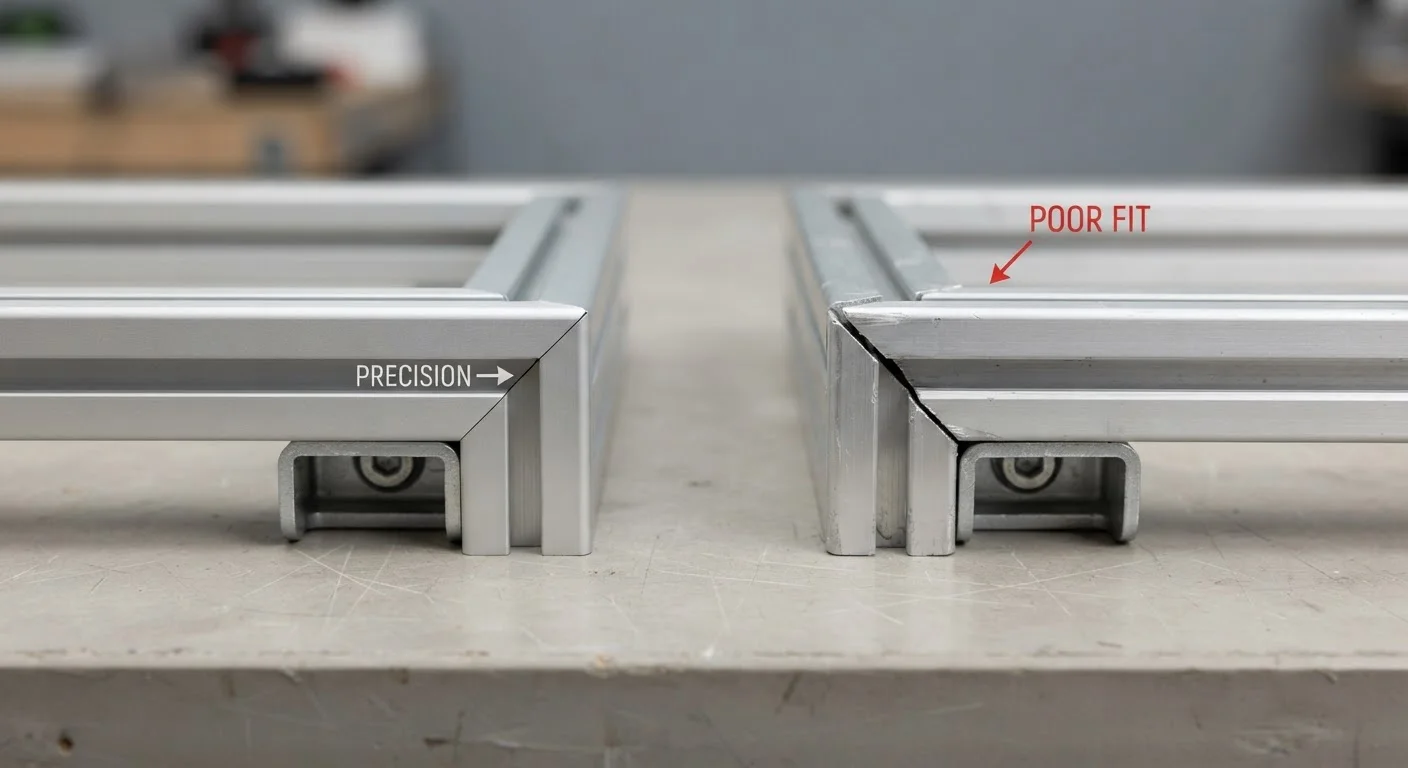
For a more systematic approach, observable build quality indicators - including materials, seams, and fit tolerances - give you a repeatable framework that doesn't depend on surface impressions. For categories where formal grading exists, understanding how product grades are assigned adds another layer of objective reference.
72%
Shoppers who equate price with quality
A consumer survey by the Journal of Consumer Research found that a strong majority of shoppers default to price as a proxy for quality when other information is limited.
~30%
Return rate for appearance-driven purchases
Industry estimates suggest roughly 30% of returns stem from products that didn't meet quality expectations set by packaging, appearance, or marketing imagery.