
The Rules Behind the Label
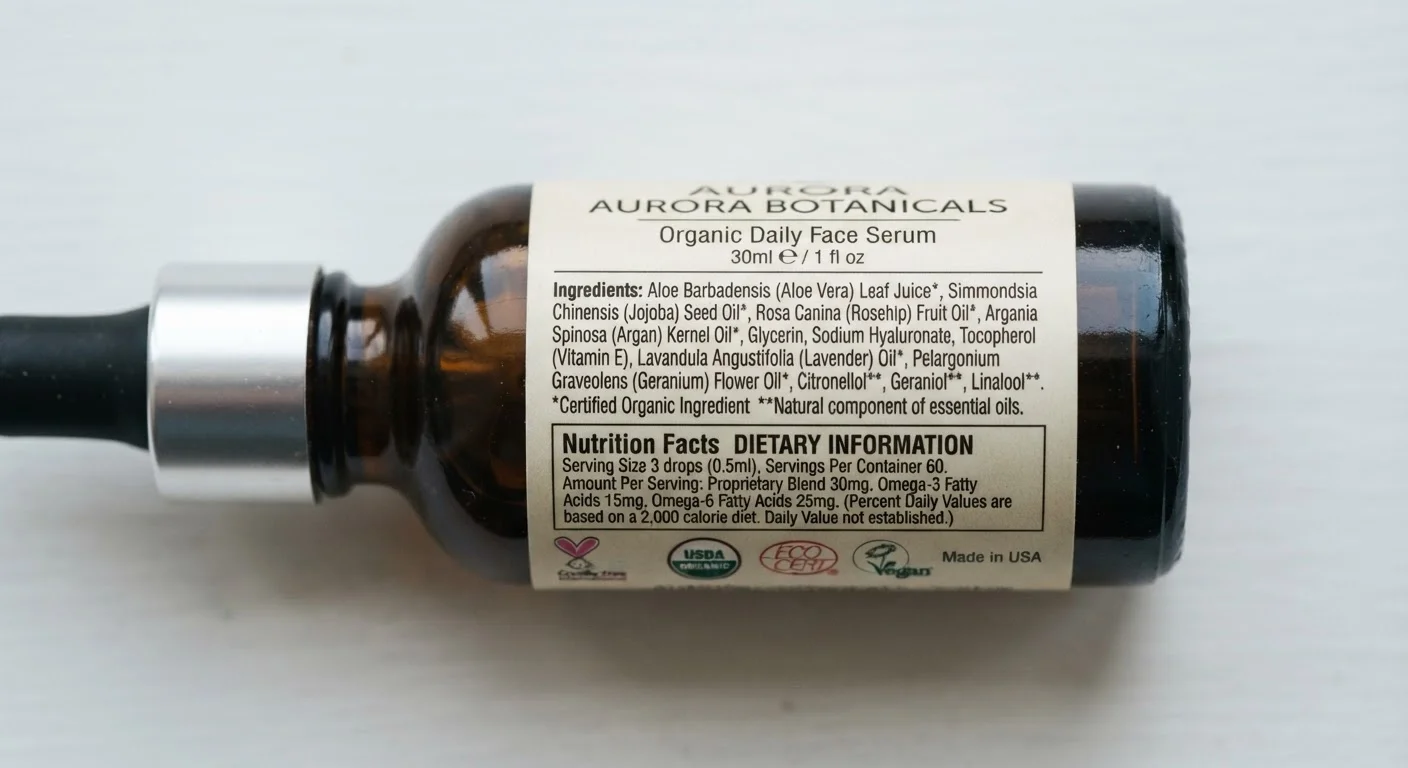
When a product says "Made in USA" or "Made in Germany," most shoppers assume that statement captures the full story of where the item came from. In reality, country-of-origin labels are legal designations governed by specific regulatory standards - and those standards vary significantly depending on the product category and the agency overseeing it.
In the United States, the Federal Trade Commission (FTC) sets the standard for unqualified "Made in USA" claims on most consumer products. To carry that label without qualification, a product must be "all or virtually all" made in the U.S., meaning its final assembly, significant processing, and most component parts must originate domestically. However, for automobiles, the relevant standard is set by the National Highway Traffic Safety Administration (NHTSA) and requires disclosure of domestic and foreign parts content percentages - a very different approach.
Food products fall under yet another framework. The U.S. Department of Agriculture (USDA) and the Food and Drug Administration (FDA) oversee country-of-origin labeling (COOL) for specific categories like fresh meat, fish, and produce. Processed foods - think canned soups or packaged snacks - are largely exempt from COOL requirements, meaning no country disclosure is legally required at all.
Understanding which agency governs a product's label is the first step toward reading that label accurately. For a broader look at what other markings on packaging actually communicate, see what product labels are actually telling you.
Myth
If a product says "Made in USA," every part of it was produced in the United States.
Fact
The FTC's "all or virtually all" standard allows for minor foreign components as long as the product's significant content and processing are domestic.
The FTC does not require 100% domestic content for an unqualified "Made in USA" claim. The agency's standard - "all or virtually all" - is intentionally flexible. It considers factors such as the proportion of total manufacturing costs attributable to U.S. parts, how far removed any foreign content is from the finished product, and where the final assembly occurs. A product with a small foreign-sourced fastener or seal can still legitimately carry the label. Manufacturers who cannot meet this standard can use qualified claims like "Made in USA of U.S. and imported parts."
Myth
"Assembled in USA" and "Made in USA" mean essentially the same thing.
Fact
"Assembled in USA" is a qualified claim that explicitly acknowledges foreign components; it does not meet the FTC's standard for an unqualified "Made in USA" designation.
When a label reads "Assembled in USA," it signals that the final assembly step occurred domestically, but significant components or materials likely came from abroad. The FTC permits this qualified claim when it is accurate, but it carries a meaningfully different implication than an unqualified "Made in USA" label. Consumers who treat these two phrases as interchangeable may overestimate the domestic content of what they're purchasing.
Myth
The country listed on a food label tells you where the ingredients were grown or raised.
Fact
For many processed food products, no country-of-origin disclosure is required; even when it is present, it may reflect processing location rather than ingredient origin.
Mandatory country-of-origin labeling (COOL) under USDA rules applies to specific commodities - unprocessed meats, fish, shellfish, fresh and frozen fruits and vegetables, peanuts, and a few others. Processed food products, which make up a large share of grocery store shelves, are generally exempt. Even for covered commodities, the label may indicate where the animal was slaughtered or where produce was packaged, rather than where it was born, raised, or grown. This distinction matters for consumers trying to make sourcing decisions. For related context on how other label terms work, see the differences between organic, natural, and non-GMO.
Myth
A product made in a country with strong manufacturing standards is automatically safer or higher quality.
Fact
Safety compliance is determined by regulatory testing standards applied to the product, not by which country produced it.
Products sold in the United States - whether domestically produced or imported - are subject to the same applicable federal safety regulations. The Consumer Product Safety Commission (CPSC), FDA, USDA, and other agencies set standards that apply based on product category, not manufacturing origin. A product made overseas that passes required testing meets the same bar as one made domestically. Conversely, a domestically produced product that fails compliance testing is not made safe by its origin. Equating a country's manufacturing reputation with individual product quality is a generalization that may not hold for any given item. For more on decoding real quality signals, see signals easy to mistake for durability.
Myth
An origin label reflects ethical labor and environmental practices in the production process.
Fact
Country-of-origin labels are supply chain and regulatory designations; they carry no information about labor conditions, environmental compliance, or ethical sourcing.
Origin labeling exists to meet trade, customs, and consumer transparency requirements - not to certify social or environmental standards. A "Made in" label tells you where qualifying production steps occurred; it does not indicate whether workers were paid fairly, whether environmental regulations were followed at upstream supplier facilities, or whether materials were responsibly sourced. Consumers seeking assurance on these dimensions should look for third-party certifications (such as Fair Trade, Bluesign, or B Corp status) that are specifically designed to audit and verify those claims, rather than relying on geography as a proxy.
What Origin Labels Don't Tell You
Even when a country-of-origin label is accurate and legally compliant, it leaves out significant information that consumers often assume it covers.
~2/3
U.S. consumers who say origin influences purchases
Surveys conducted by the Boston Consulting Group have found that roughly two-thirds of American consumers say a product's country of origin influences their purchasing decisions.
70%+
Processed foods exempt from U.S. origin labeling
The USDA estimates that mandatory country-of-origin labeling covers only a fraction of food products sold in retail; the majority of processed foods are not required to carry origin disclosures.
Origin does not equal quality. A product assembled in a country known for manufacturing excellence may use lower-grade raw materials sourced elsewhere. Conversely, goods from regions with lower labor costs can meet or exceed quality standards set for premium markets. If you're trying to evaluate durability or craftsmanship, origin is one weak signal among many - see signals that are easy to mistake for durability for a more reliable framework.
Origin also doesn't communicate ethical sourcing, environmental standards, or worker conditions. A label reflecting the country of final assembly says nothing about where raw materials were extracted, how workers at supplier factories were treated, or whether environmental regulations were followed upstream. Consumers who care about these factors need to look beyond the origin stamp to third-party certifications, brand supply chain disclosures, and independent audits.
Don't Use Origin as a Shortcut for Safety
It can be tempting to assume that products from certain countries are inherently safer or riskier than others, but safety compliance is product-specific and regulated independently of origin. Basing purchasing decisions on country stereotypes rather than verified certifications or compliance markings can lead to both unwarranted rejection of compliant goods and misplaced trust in non-compliant ones. Always look for applicable safety marks (such as UL, CPSC compliance, or NSF certification) relevant to the product category.
Finally, origin labels are not safety guarantees. Regulatory compliance - whether a product meets U.S. safety standards - is governed by separate testing and certification requirements, not by where the item was produced. Products made domestically and those imported are subject to the same applicable safety standards in the American market. Many shoppers conflate the two, which can lead to misplaced confidence or unwarranted skepticism. This is one of several consumer myths that keep people overspending.
For more on how unregulated marketing language can obscure rather than inform, the guide to marketing terms with no legal definition is a useful companion read.
Origin Labels Follow Trade Rules, Not Consumer Intuition
Country-of-origin designations are fundamentally legal and regulatory constructs shaped by trade agreements, customs definitions, and agency-specific standards. They are not designed to answer every question a consumer might have about sourcing, quality, or ethics. Approaching these labels as partial information - accurate within their defined scope, but limited in what they cover - is the most informed stance a shopper can take.