The Region Is Bigger - and More Varied - Than You Think
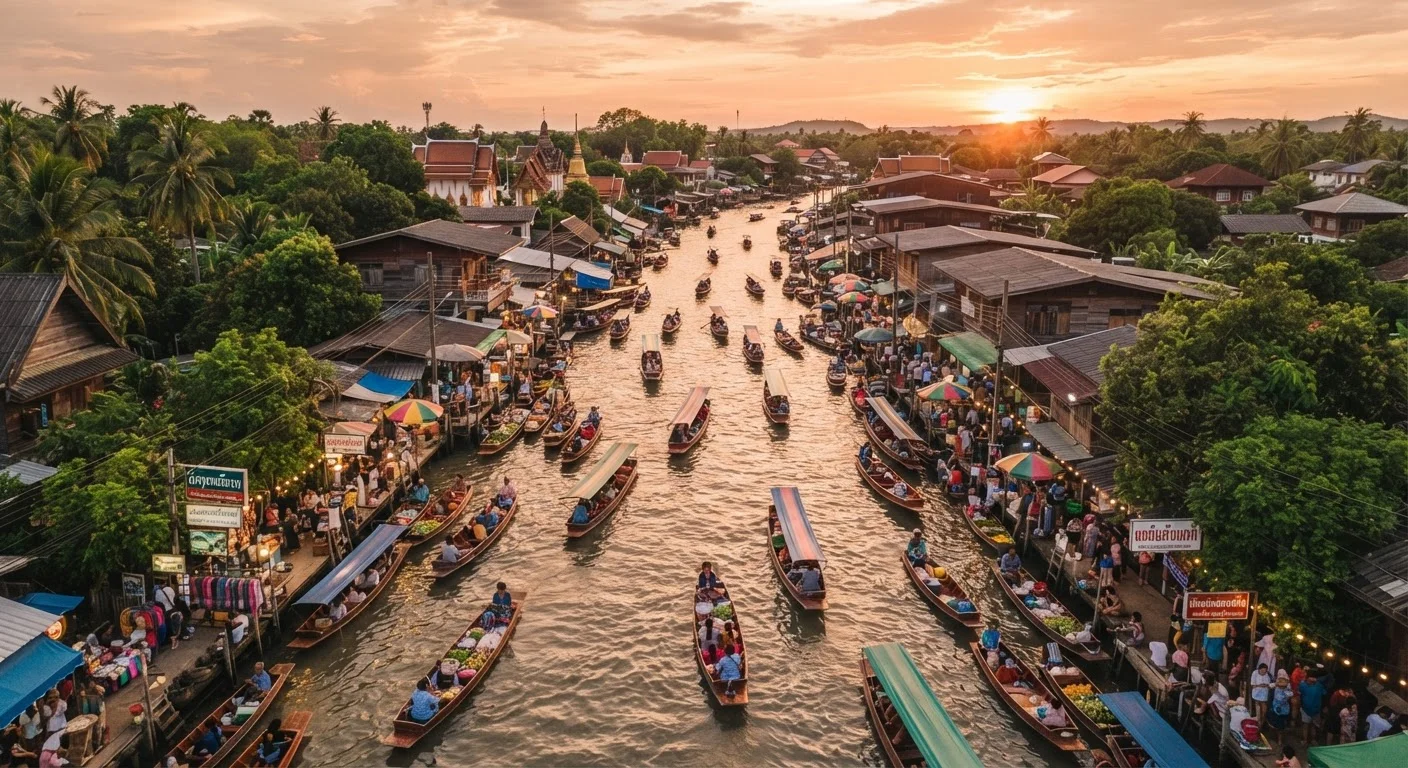
Southeast Asia is not a country, and it resists being treated as one. Stretching from the lush river valleys of Myanmar to the volcanic islands of Indonesia, the region encompasses eleven nations, hundreds of distinct ethnic groups, and climates that range from highland cold to equatorial heat. First-timers frequently discover this variety only after arriving.
Thailand and Vietnam get the bulk of first-visit traffic, and for good reason - infrastructure catering to international travelers is mature, English is widely spoken in tourist zones, and the logistics are relatively forgiving. But Cambodia, Laos, the Philippines, and Indonesia each have their own infrastructure rhythms, cultural registers, and travel conditions that deserve individual research. Thinking of the region as interchangeable leads to real planning gaps.
Visa on arrival
A visa granted at the point of entry - typically an airport or official border crossing - rather than arranged in advance at an embassy. Eligibility and fees vary by nationality and destination.
Dry season
The period in a tropical climate when rainfall is minimal and skies are generally clear. In mainland Southeast Asia, this typically runs from November through February, though it shifts by country and region.
Land border crossing
An official checkpoint where travelers cross between two countries by ground transport - bus, car, or on foot - rather than by air. Processes, hours, and conditions vary widely.
Budget airline
A low-cost carrier offering inexpensive flights, often with additional fees for checked baggage or seat selection. Several operate extensive intraregional networks across Southeast Asia.
Intraregional
Travel or connections occurring within the region itself - for example, flying from one Southeast Asian country to another - as opposed to international flights originating from outside.
Before you commit to an itinerary, it helps to look at a map with fresh eyes. The overland distances are significant - Bangkok to Hanoi is roughly comparable in driving time to crossing the continental United States - and island-heavy countries like the Philippines have no overland connections at all. Geography shapes logistics more than most first-timers anticipate.
Getting Around: What Transport Actually Looks Like
Budget airlines have transformed intraregional travel. Carriers operating across Southeast Asia connect major cities quickly and often cheaply, making it possible to, say, spend a week in northern Thailand and then fly directly to Bali without backtracking to a hub. This is genuinely the fastest, most convenient way to cover large distances.
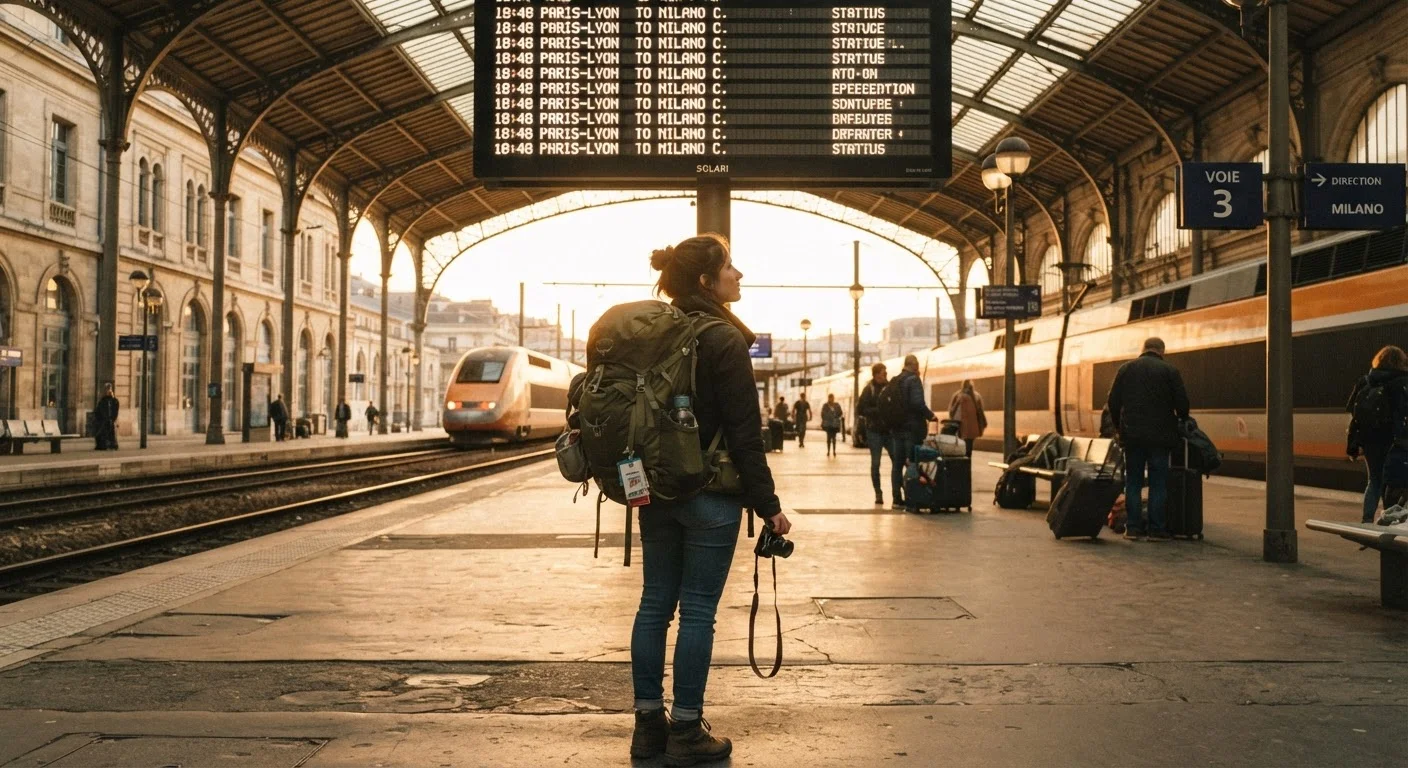
Overland travel is slower but often more immersive. Overnight sleeper trains in Thailand and Vietnam are comfortable, efficient, and beloved by travelers who want to wake up in a new city without losing a day. Cross-border bus routes connecting Thailand to Cambodia or Laos to Vietnam are well-traveled but can run long - a 10-hour overnight bus is not unusual, and comfort levels vary. For solo travelers navigating on their own, well-used bus and train routes offer a natural social rhythm with other travelers.
Download Ride-Hailing Apps Before You Arrive
Apps like Grab operate across multiple Southeast Asian countries and function similarly to services US travelers already know. Setting up an account and linking a payment method before you land eliminates the friction of figuring it out curbside after a long-haul flight. Local SIM cards, available at most major airports, make these apps seamless to use throughout your trip.
Within cities, ride-hailing apps are now standard across most of the region's major urban centers, offering metered, transparent pricing that removes bargaining friction. Tuk-tuks, motorbike taxis, and songthaews (shared truck-taxis in Thailand) fill the gaps in smaller towns. Understanding which mode is appropriate - and roughly what a fair fare looks like - is worth researching per destination before you land.
Country-by-Country Rhythms and What They Mean for Travelers
Thailand is the region's most practiced host for international visitors. Infrastructure from airport rail links to guesthouse Wi-Fi tends to work reliably. Vietnam rewards planning: the country is long and narrow, trains and flights each serve different legs well, and its distinct north-south cultural personality means Hanoi and Ho Chi Minh City feel almost like separate travel experiences.
Cambodia moves at a slower, more intimate pace. The infrastructure between Phnom Penh and Siem Reap has improved considerably, but road travel elsewhere can still be rough. Laos, deliberately unhurried by culture and geography, suits travelers who can resist the urge to pack in too many stops. Indonesia's scale - over 17,000 islands - means that visiting Java, Bali, and Lombok in a single trip already constitutes an ambitious itinerary.
Island-Hopping in the Philippines Requires Flexibility
Ferry schedules in the Philippines - particularly in the Visayas and Palawan - can shift with weather, season, and local demand. Building buffer days between island-to-island legs reduces the risk of missing onward connections. Check current schedules through official port sources or locally reliable operators, and always verify conditions close to travel dates.
The Philippines is the region's most logistically distinct country for overland travelers: there are no land borders, and island-hopping relies entirely on domestic flights and ferries. Weather windows matter enormously here, as typhoon season affects routes from roughly June through November across the northern islands.
Practical Realities First-Timers Often Underestimate
Heat and humidity are not abstract - they affect pace, wardrobe, and energy levels in ways that surprise even experienced international travelers. The dry season across mainland Southeast Asia (broadly November through February) is the most comfortable and popular window, which also means higher demand on popular routes. Shoulder months offer a trade-off between thinner crowds and wetter skies.
Temple and religious site etiquette is consistent enough to learn once and apply broadly: covered shoulders and knees are typically required, shoes are removed at entrances, and quiet, respectful behavior is not just courtesy but a genuine cultural expectation. Dressing thoughtfully before arriving saves an awkward exchange at the gate.
Currency changes at each border. While US dollars are accepted informally in parts of Cambodia and Myanmar, local currency is expected - and often required - nearly everywhere else. ATM availability varies significantly outside major cities. Good preparation on this front is one of the clearest markers of a smooth first trip versus a stressful one. For a thorough pre-departure checklist, the first international trip planning guide covers currency, packing, and documentation in depth.
Building a Route That Actually Makes Sense
The most common first-visit mistake is designing an itinerary based on a wishlist rather than geography. Wanting to see Angkor Wat, the Thai islands, Halong Bay, and Ubud in two weeks is understandable - and genuinely unworkable without sacrificing the experience of each place to constant transit.
A more effective approach picks one geographic corridor and goes deeper. A Thailand-Cambodia trip flows naturally and can be done overland or by short flight. Vietnam end-to-end is a classic route that rewards a slower pace. Bali combined with a few days in Lombok or the Gili Islands makes geographic and logistical sense. Any of these can be a complete, satisfying first trip.
Before finalizing any itinerary, serious homework pays off. The destination research guide outlines how to verify visa requirements, assess climate windows, and understand local transport options before you commit to flights. And for travelers thinking beyond organized tours, the independent traveler's roadmap offers a useful framework for building a trip that feels genuinely personal rather than packaged.
Southeast Asia rewards the curious and punishes the rushed. Arriving with calibrated expectations, a flexible mindset, and a logistically coherent plan turns what can feel like an overwhelming region into one of the world's most satisfying travel experiences - one that tends, reliably, to generate a second trip.