
Getting Your Passport and Visa Sorted
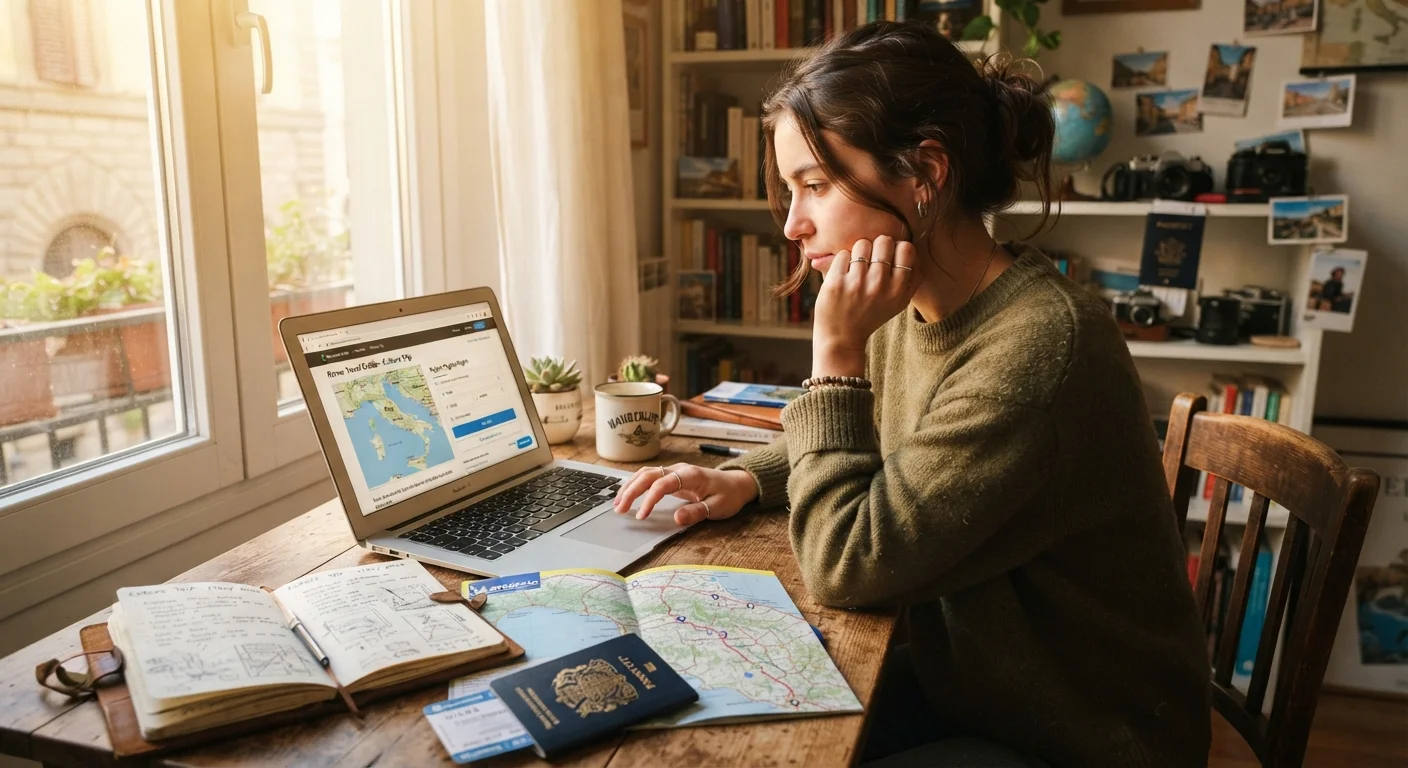
Everything starts with a booklet. If you don't have a U.S. passport yet, this is your very first task - apply well before you've committed to a specific travel date. The U.S. State Department recommends allowing at least six months, not because processing always takes that long, but because delays do happen and your flexibility disappears once flights are booked.
Passport applications are handled through acceptance facilities - many post offices, courthouses, and public libraries serve this role. You'll need a completed DS-11 application form, proof of U.S. citizenship, a government-issued photo ID, a passport photo meeting federal specifications, and the applicable fees. First-time applicants cannot renew; they must apply in person.
Passport acceptance facility
An authorized location - often a post office, courthouse, or library - where first-time passport applicants can submit their application in person.
Visa on arrival
A visa granted at the destination country's port of entry, rather than requiring advance application. Eligibility depends on your nationality and the destination country's rules.
STEP (Smart Traveler Enrollment Program)
A free U.S. State Department service that lets travelers register their trip so the nearest embassy can reach them during emergencies abroad.
Foreign transaction fee
A surcharge added by some banks or card issuers - typically 1-3% - each time you use your card in a foreign currency or with a foreign merchant.
eSIM
A digital SIM card built into your phone that lets you add a local data plan abroad without physically swapping a SIM card - available on many modern smartphones.
Six-month passport validity rule
Many countries require that your passport remain valid for at least six months beyond your planned departure date, even for short visits. Not meeting this requirement can result in being denied boarding or entry.
Visa requirements are the next puzzle piece. Whether you need a visa depends entirely on your destination and how long you plan to stay. Many countries offer U.S. passport holders visa-free entry for short stays, while others require visas obtained in advance - sometimes weeks ahead. Always verify current entry requirements through the official embassy or consulate of your destination country, and cross-check with the U.S. State Department's travel portal. Requirements can change, and relying on outdated information is a common first-timer mistake.
Also check that your passport will be valid for at least six months beyond your planned return date - many countries enforce this rule at the border, regardless of how long you intend to stay.
Choosing and Researching Your Destination
For a first international trip, the instinct to go everywhere at once is understandable - but resist it. Choosing one country, or even one region of a country, lets you travel with more depth and far less logistical stress. Think about your comfort zones: language barriers, long-haul flight times, infrastructure, and how different the daily rhythms of life will feel from home.
Once you have a destination in mind, research becomes your most valuable pre-trip activity. Our destination research guide walks through practical steps for understanding a place before you commit - from climate timing and local transport to cultural norms that could affect how you're received as a visitor.
Start with a Destination That Matches Your Comfort Level
For a first international trip, consider destinations with established traveler infrastructure - reliable public transit, English-language signage in tourist areas, and accessible healthcare. This doesn't mean playing it safe; it means reducing logistical friction so you can focus on the experience itself. As your confidence grows, you can plan trips with more complexity.
If you're drawn to a region with fewer well-worn tourist resources, don't let that deter you - but do prepare to dig deeper. The article on researching unfamiliar destinations is a useful companion for building reliable knowledge when English-language travel coverage is thin.
Managing Money Abroad
Currency logistics are one of the most anxiety-inducing parts of a first international trip - and one of the most manageable once you understand how they work. The core strategy is simple: never rely on a single method of payment.
Before departure, notify your bank and credit card providers of your travel dates and destinations. This prevents your card from being blocked as a fraud precaution when charges appear from overseas. Look into whether your cards charge foreign transaction fees - these typically run 1-3% per transaction, and they add up. Many banks and credit unions offer accounts or cards with no foreign transaction fees, which is worth understanding when planning your financial approach.
Carry a modest amount of local currency for arrival - enough for ground transport, a meal, and any small immediate needs. Airport currency exchange counters typically offer poor exchange rates; withdrawing cash from a local ATM at your destination often gives you a better rate, though ATM fees vary. Keep your cards and cash in separate places - a pickpocket who gets your wallet shouldn't also get your backup card.
Avoid Airport Currency Exchange Counters
Currency exchange counters at airports and tourist-heavy areas often apply significantly worse exchange rates than local ATMs or banks at your destination. If you need foreign currency before departure, compare rates at your home bank or a dedicated currency exchange service - and always check what fees apply before converting large amounts.
Packing Smart for International Travel
The golden rule of international packing: your future self will thank you for packing less. Dragging an oversized suitcase through cobblestone streets, up flights of stairs in a hostel, or across a busy train station is a rite of passage most experienced travelers are eager to leave behind.
Start with a definitive list based on your specific destination's climate, activities, and cultural expectations - not a generic template. A beach trip to a tropical destination requires entirely different gear than a city-focused trip through Northern Europe in autumn. Pack clothing in neutral colors that can be layered and mixed across multiple outfits. Shoes are typically where travelers overpay in weight and space; two pairs - one for walking, one for evenings - covers most trips adequately.
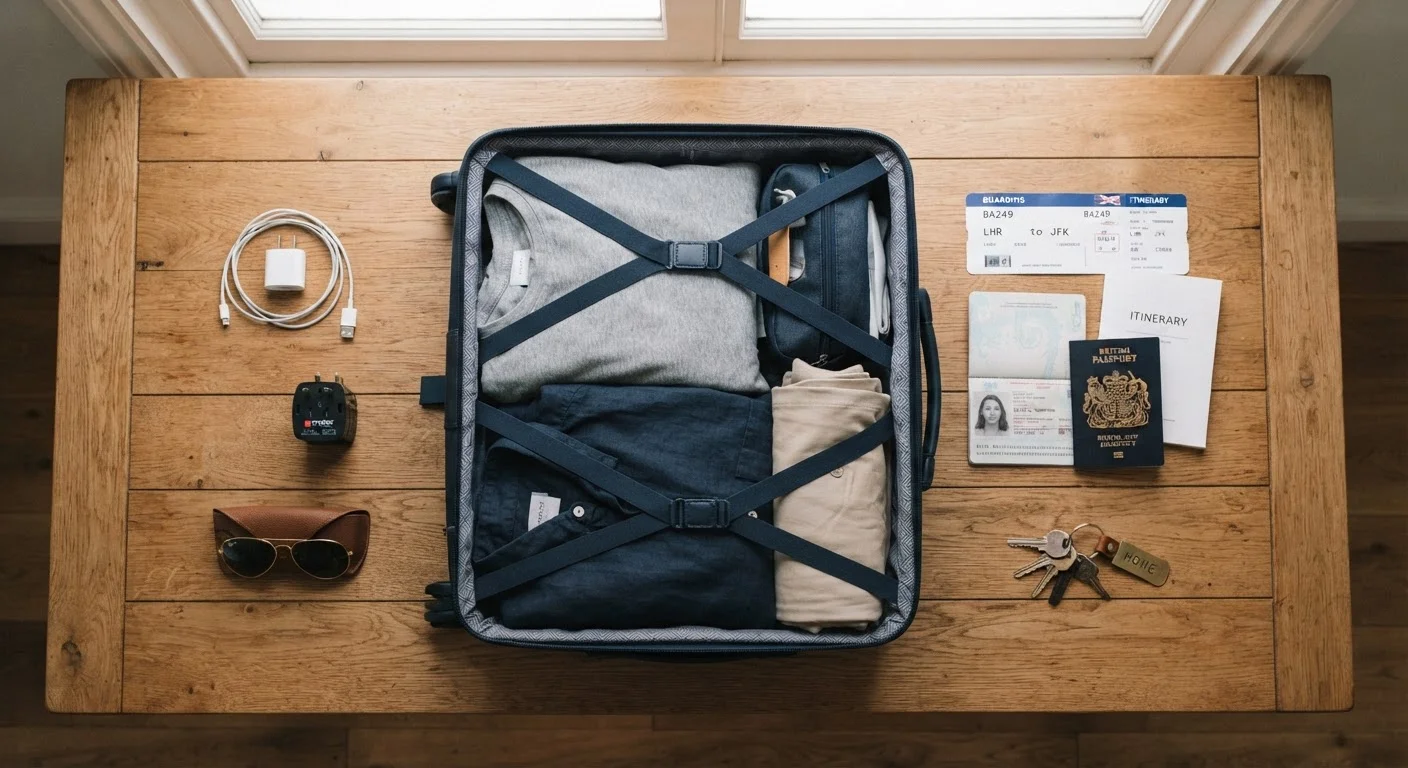
Consider whether checking a bag is genuinely necessary. For trips of a week or less, many seasoned travelers manage entirely with a carry-on, eliminating baggage fees and the anxiety of lost luggage. Whatever bag you bring, keep your pre-trip checklist handy in the final 48 hours - it's easy to forget documents, adapters, or medications in the packing rush.
Staying Safe and Connected on the Road
Safety on an international trip is less about avoiding danger and more about being well-prepared to handle the unexpected. Register your trip with the U.S. State Department's Smart Traveler Enrollment Program (STEP) - it's free, takes minutes, and means the nearest embassy can contact you or your emergency contacts if something significant happens in your destination region.
Before you leave, store digital and physical copies of your key documents: passport, travel insurance policy, accommodation confirmations, and emergency contact numbers. Email them to yourself so they're accessible from any device.
Phone connectivity abroad deserves a plan before you board. Options include adding an international plan through your existing carrier, purchasing a local SIM card at your destination, or using an eSIM for destinations that support it. Having reliable access to maps, translation apps, and the ability to contact someone matters more in practice than most first-timers anticipate.
If you're heading out alone, the solo travel guide covers the safety habits and logistical groundwork that make independent travel genuinely enjoyable. And when you're ready to move beyond structured itineraries, the independent traveler's roadmap is a natural next step.
Your first international trip will almost certainly not go exactly as planned - and that's part of what makes it formative. The preparation you do now is what gives you the confidence to improvise with a level head when it matters.