What Experience-Driven Travel Actually Means
There's a version of travel that looks like a checklist - the landmark, the photo, the departure. And then there's another version entirely: one where you lose track of time in a spice market, share a meal you didn't expect, or sit quietly at a place most visitors drive past without stopping. The second kind is what experience-driven travel is about.
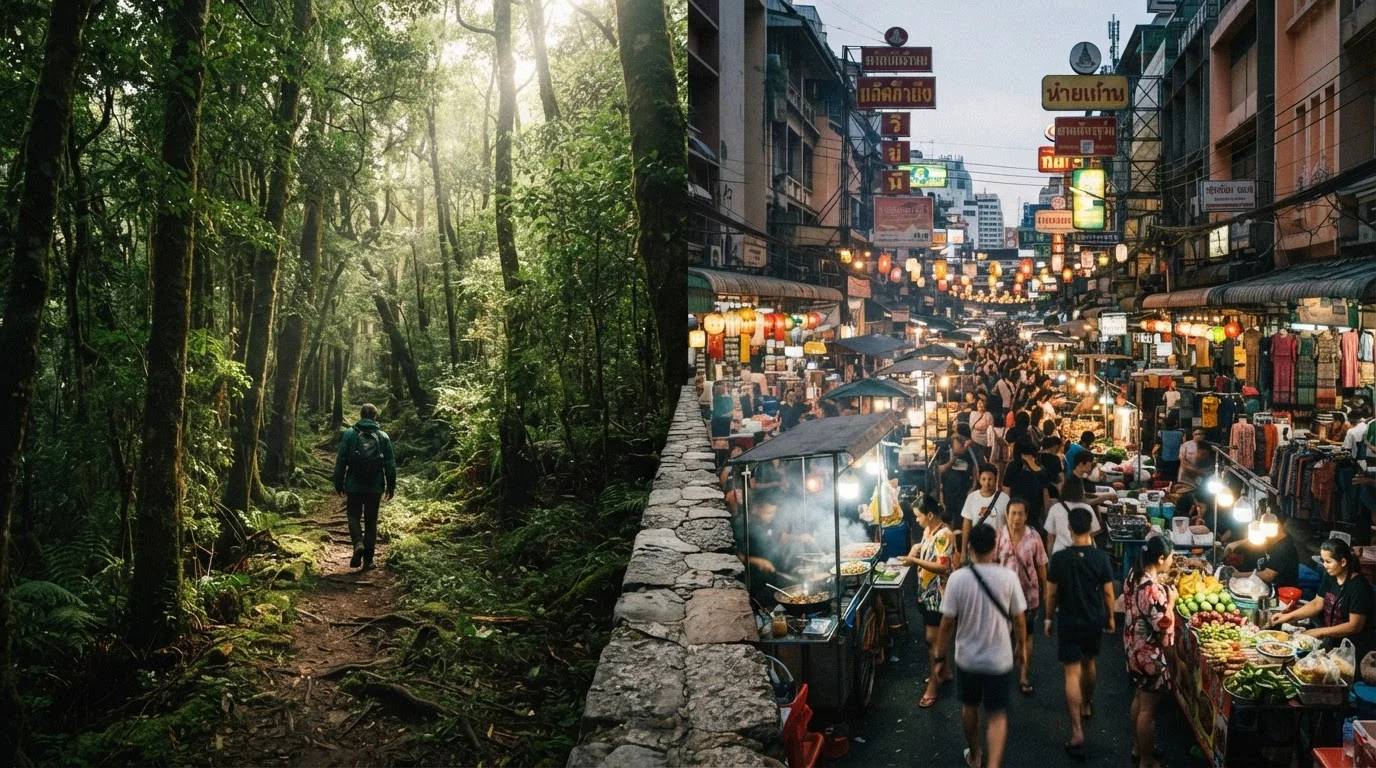
This approach treats a destination as something to inhabit, however briefly, rather than something to process. It means choosing depth over breadth - fewer places, longer stays, and a genuine appetite for what a place actually feels and sounds like beyond the highlight reel. For ideas on how this plays out across wildly different landscapes, wilderness immersion and urban exploration offer two distinct but equally rewarding models.
Experience-driven travel
A travel approach that prioritizes meaningful engagement with a place - its people, culture, and environment - over simply visiting famous landmarks.
Anchor experience
A key activity or event that gives a trip its structure - something significant enough to plan around while leaving the rest of the itinerary flexible.
Slow travel
Spending more time in fewer places rather than rushing through many destinations, allowing for deeper connection and more spontaneous discovery.
Travel advisory
An official government assessment of safety, health, or entry conditions in a destination, used by travelers to make informed decisions before and during a trip.
Independent travel
Travel planned and executed without a packaged tour, where the traveler arranges transport, accommodation, and activities individually.
The shift from package tour passenger to independent traveler isn't just logistical - it's a mindset reset. You become the architect of your own itinerary, which is both the freedom and the responsibility that makes independent travel feel so different.
Building Your Trip Framework from Scratch
Independent travel planning works best when you start with intent rather than logistics. Before opening a single booking site, ask yourself what you actually want to feel or understand by the end of this trip. That question is your compass for every decision that follows.
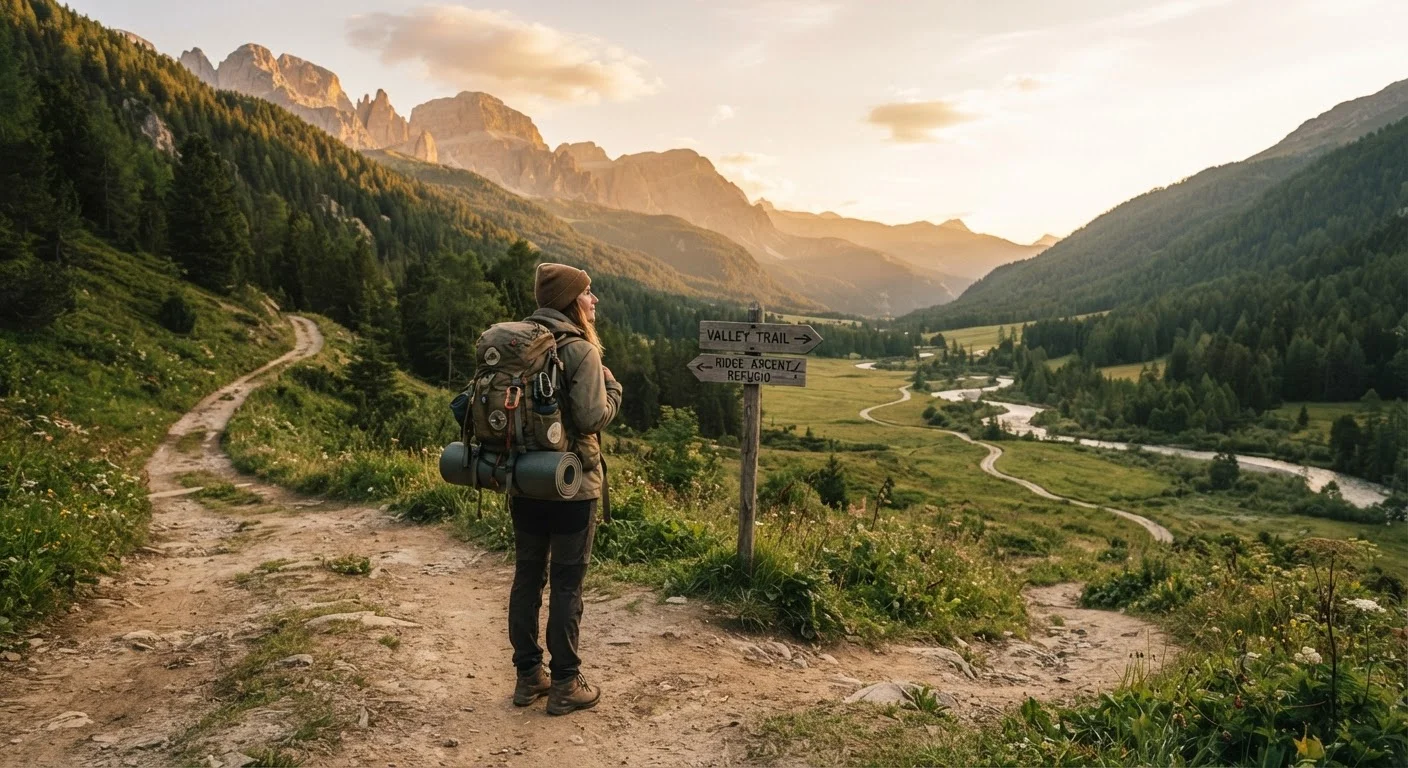
From there, build a loose framework: identify two or three anchor experiences - a multi-day hiking route, a cultural festival, a cooking class with a local family - and let the rest of the itinerary breathe around them. Resist the urge to fill every slot. The richest travel moments are often the ones that appear in the gaps you left open.
Start With One Non-Negotiable Experience
Rather than trying to plan an entire trip at once, identify the single experience you most want to have and build outward from there. This gives your planning a natural center of gravity and prevents the paralysis of too many open options. Everything else - accommodation, transport, side trips - becomes easier to decide once that anchor is in place.
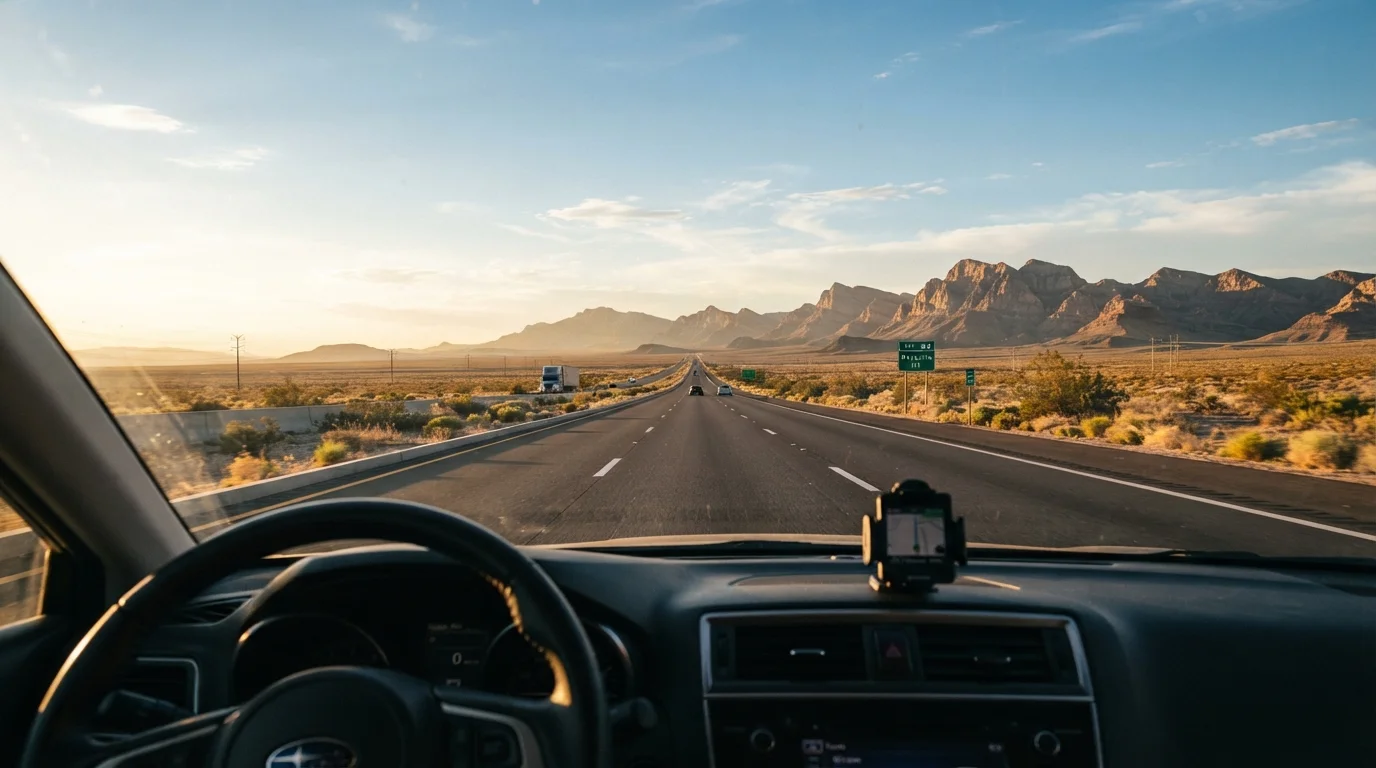
For travelers considering road-based exploration within the US, the American Southwest offers well-defined route corridors that suit both structured and spontaneous styles. Those new to long drives should also review what experienced road-trippers know about interstate driving before setting off.
Budget planning belongs in the framework stage too - not as a ceiling to optimize around, but as an honest acknowledgment of how long you can travel and what kinds of experiences are financially realistic for you.
Researching Like a Traveler, Not a Tourist
The quality of your pre-trip research determines how confident and curious you'll feel once you arrive. Start with practical foundations: entry requirements, vaccination recommendations, and any current travel advisories from official government sources. These details change - always verify them close to your departure date, and never rely on third-party summaries as your sole source.
Once the fundamentals are covered, go deeper. Destination-specific forums and local travel blogs often surface the kind of on-the-ground knowledge that no guidebook captures in time. What's the actual transport situation between two towns? Which neighborhoods are genuinely walkable? Are there seasonal considerations that could affect your plans?
For travelers heading to a new region entirely, a broader orientation is invaluable. A guide like what Southeast Asia is actually like to navigate as a first-time visitor illustrates how regional realities often differ sharply from assumptions.
Cultural research deserves equal weight. If your itinerary includes any community-based or indigenous cultural experiences, understanding how to engage respectfully is not optional - it's foundational.
Navigating on the Ground
Arrival in a new place is where preparation meets reality, and the gap between them is usually smaller than anxious pre-trip imaginations suggest. Most of what trips up first-time independent travelers isn't danger - it's disorientation, which fades quickly once you've navigated a local transit system or found a good place to eat without a recommendation.
Slow down deliberately in the first day or two. Resist the impulse to immediately execute the itinerary. Walk neighborhoods. Eat somewhere that has no English menu. Ask your accommodation host what they'd actually recommend for someone with a week. These early, unscheduled hours often generate the best leads for the rest of the trip.
For those traveling solo, the navigational and safety calculus shifts somewhat - a dedicated guide to solo travel covers the mindset and logistics specific to going it alone. More practical travel advice across trip types lives in the Travel Tips hub.
Managing Uncertainty Without Losing Spontaneity
Independent travel is defined, in part, by not knowing exactly how every day will unfold - and that's precisely the point. The goal isn't to eliminate uncertainty but to build enough of a foundation that uncertainty feels like possibility rather than threat.
Practically, that means keeping digital and physical copies of your key documents, having a general sense of local emergency contacts, and maintaining a small financial buffer for unexpected costs. It also means building in logistical cushion: don't schedule a connecting bus or flight immediately after a long overland journey.
Over-Planning Can Undermine the Trip
A tightly scheduled itinerary leaves no room for the unexpected discoveries that independent travel is built around. Scheduling every hour also creates fragility - one delayed bus or impromptu conversation and the whole day feels 'off plan.' Build breathing room into your days deliberately, not as an afterthought.
Some of the most resonant independent trips unfold around unexpected encounters - a chance conversation that leads to a day-long detour, a local event you stumble into, a route you take because rain cancelled the original plan. These moments don't appear on itineraries. They appear when you've left enough space to say yes to them. That balance - prepared but not over-scheduled, informed but still curious - is the core skill of experience-driven travel, and it gets easier every time you practice it.
If you're drawn to travel with a deeper sense of purpose or endurance, pilgrimage routes represent one of the oldest forms of experience-driven journeying. For those focusing on natural landscapes within the US, first-time national park visitors benefit from understanding the permit and crowd realities before they go.