
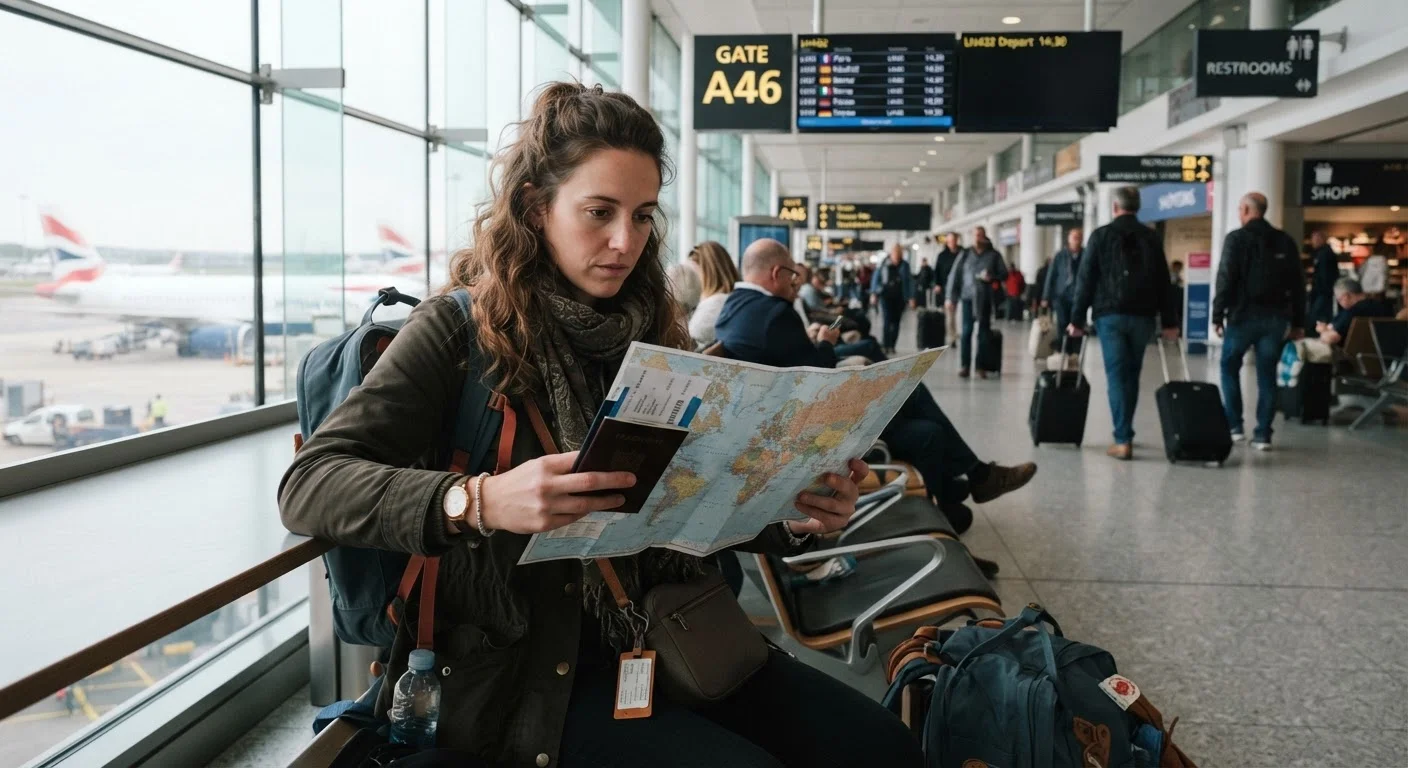
Why Assumption Is the Riskiest Travel Strategy
The travel planning process tends to build a certain optimism. You've found the flights, saved the Instagram photos, read the glowing reviews - and somewhere in that excitement, the question of whether it's actually safe to go can quietly get skipped. It feels like something you'd know if it were a problem.
But destination safety isn't a fixed condition. It shifts with seasons, political cycles, disease patterns, and local events. A place that was straightforward to visit two years ago may have an active travel advisory today - and vice versa. The gap between assumption and current reality is exactly where travelers run into trouble.
This checklist is designed to close that gap. It walks through the verification steps that matter most: official advisories, entry requirements, health considerations, local conditions, and emergency preparedness. Working through it before you book - or at minimum well before you depart - can mean the difference between a trip that goes smoothly and one that doesn't.
For a broader approach to building destination knowledge, see our guide to researching a destination thoroughly before you book. This checklist focuses specifically on safety verification.
U.S. Department of State Travel Advisories
Provides official 1-4 risk ratings and country-specific safety, entry, and health information for every destination.
CDC Travelers' Health Destination Pages
Lists recommended and required vaccinations, current disease outbreak alerts, and health precautions by country.
Smart Traveler Enrollment Program (STEP)
Free State Department service that registers your trip so the nearest U.S. embassy can contact you during emergencies.
Destination Country's Official Embassy Website
The definitive source for current visa rules, entry requirements, and permitted items - more reliable than third-party aggregators.
Travel Medicine Clinic
A specialist provider who can assess your personal health history and recommend or administer destination-specific vaccines.
Offline Maps App (e.g., Maps.me or Google Maps offline)
Allows navigation and location awareness without cellular data - essential in remote areas or during connectivity disruptions.
How to Work Through the Checklist
Safety verification isn't a single search - it's a layered process that draws on several different sources. No one resource tells the full story. The U.S. State Department's travel advisory gives you a broad risk rating, but the country-specific page underneath that rating contains far more nuance: regional differences, specific crime patterns, health alerts, and entry requirements that vary from the headline level.
The CDC's Travelers' Health pages add the medical dimension - required vaccinations for entry, recommended vaccines based on activities and regions, and current disease outbreak notices. These pages are updated regularly and should be treated as a required stop, not an optional one.
Advisories Change - Check Again Before You Fly
A destination that was rated Level 1 when you booked may be Level 3 by departure day. Set a calendar reminder to re-check the State Department advisory roughly one week before you leave and again 48 hours before. Conditions involving civil unrest, natural disasters, or disease outbreaks can shift rapidly - sometimes within days.
Local conditions require a different kind of research. Government advisories tend to lag behind real-time developments, particularly for fast-moving situations like protests, extreme weather events, or localized crime spikes. Supplementing official sources with recent reports from reputable travel forums and journalism can fill that gap - just apply critical judgment to what you read.
If you're planning your first solo trip, our guide to solo travel safety and logistics builds on these verification habits with practical on-the-ground strategies.
Government Advisories & Entry Requirements
Health & Vaccination Requirements
Local Conditions & Safety Landscape
Insurance & Emergency Preparedness
Before You Go: Health and Insurance as Safety Infrastructure
Two areas that travelers frequently underinvest in - health preparation and insurance verification - function as the safety net beneath everything else. Even a well-researched trip to a relatively low-risk destination can go sideways due to illness, injury, or unexpected disruption. What determines how manageable that becomes is largely what you put in place beforehand.
For health, the key is lead time. Vaccine courses sometimes require multiple doses spaced weeks apart, which means a last-minute clinic visit may not provide full protection. Our guide to staying healthy while traveling covers the ongoing habits that support wellness once you're on the road - but the preparation starts before departure.
Don't Rely Solely on Travel Blogs for Safety Info
Blog posts and social media threads often reflect a single experience at a specific moment - sometimes years ago. They can unintentionally downplay risks or describe conditions that have since changed dramatically. Always cross-reference firsthand accounts with official government sources before drawing conclusions about safety.
Insurance Gaps Can Be Costly
Many standard travel insurance policies exclude pre-existing medical conditions, high-risk activities, and civil unrest-related disruptions unless explicitly stated. Read the policy exclusions carefully - not just the summary - and contact your insurer directly if your plans involve anything outside typical leisure travel.
For insurance, the most common mistake is assuming that having a policy means being covered. Exclusions for specific activities, destinations under travel advisory, or pre-existing conditions are standard in many policies. Reading the exclusions section - not just the benefits summary - before purchasing, and again before departure, is non-negotiable.
Use the pre-trip checklist to consolidate these final confirmations into a single review session in the days before you leave.
This article provides general travel safety information for educational purposes. Entry requirements, health recommendations, and safety conditions change frequently - always verify current details through official government and health authorities before travelling. This is not a substitute for professional medical, legal, or security advice.