Two Ways of Moving Through a Place
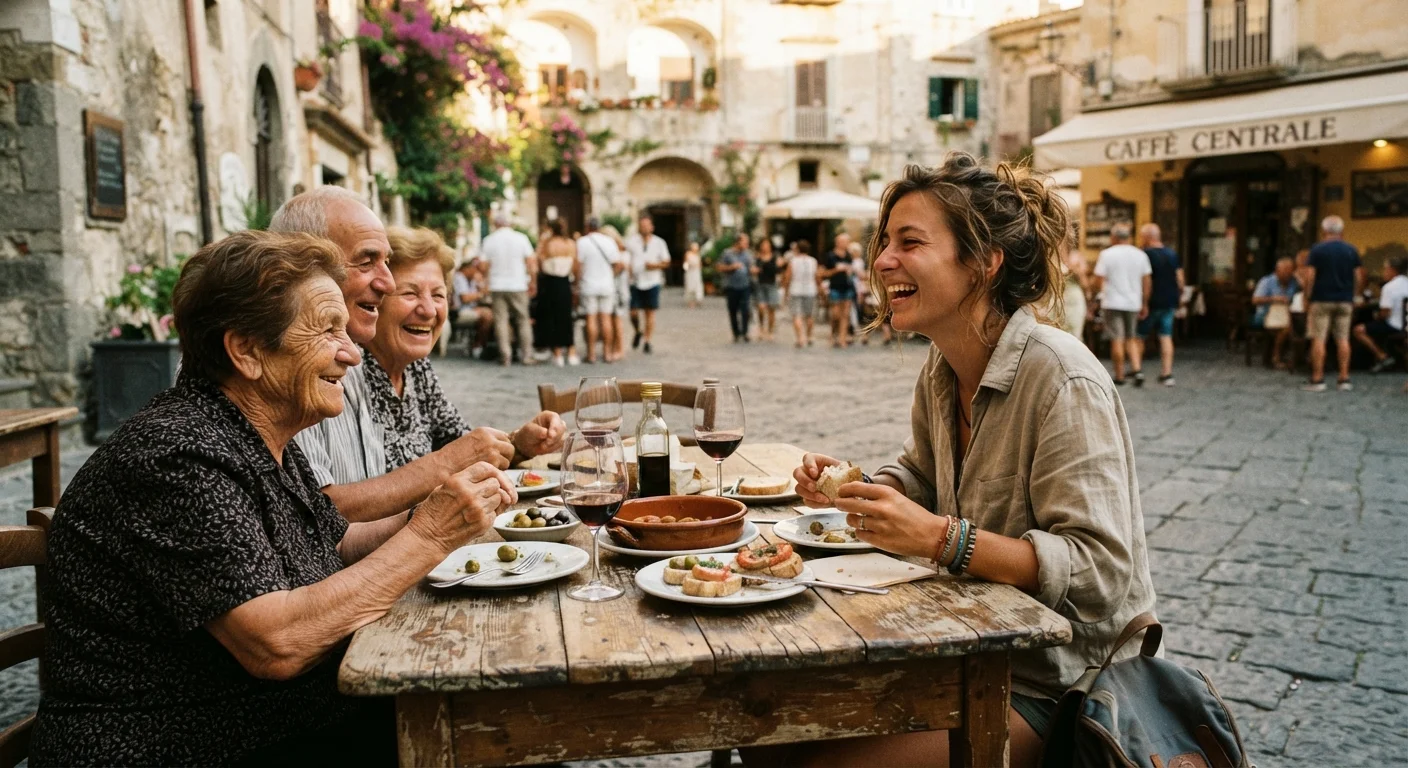
Stand at the entrance of almost any famous site - a medieval cathedral, a spice market, a vineyard - and you'll notice two distinct kinds of travelers. One group follows a guide with a raised umbrella, moving efficiently from point to point while absorbing a narrative shaped by expertise and time constraints. The other group has slowed down, seated at a communal table or elbow-deep in a hands-on task, negotiating meaning directly with the place and its people.
Both are structured activities. Both may involve a knowledgeable local. But they are doing fundamentally different things - and understanding that difference can reshape how you plan your next trip.
A guided tour is, at its core, a delivery mechanism for curated information. The guide controls the pace, selects the narrative, and manages logistics. The traveler's role is primarily receptive: look here, learn this, move on. That's not a criticism - for first-time visitors, time-pressed itineraries, or genuinely complex historical sites, guided tours are irreplaceable. They're also the reason millions of travelers leave a destination with a coherent story rather than a jumble of impressions.
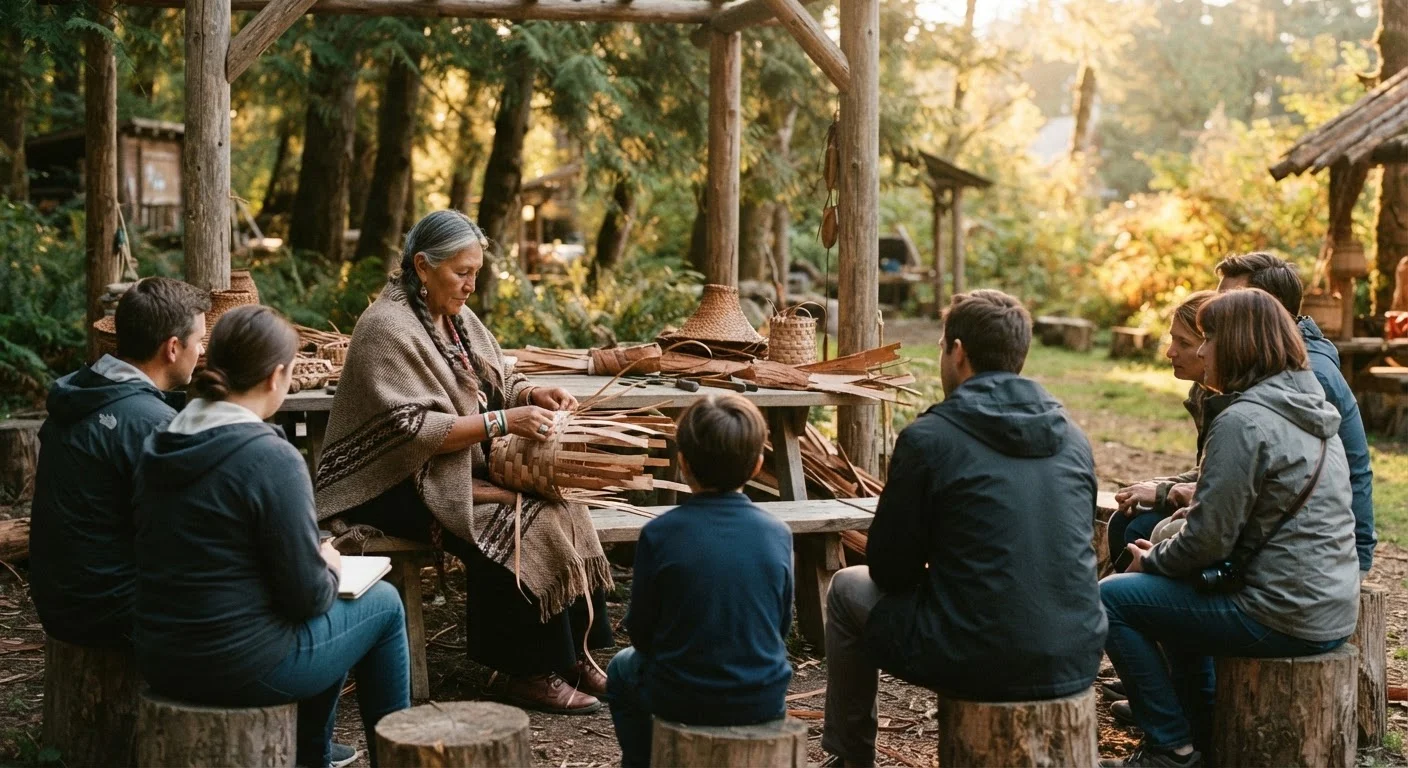
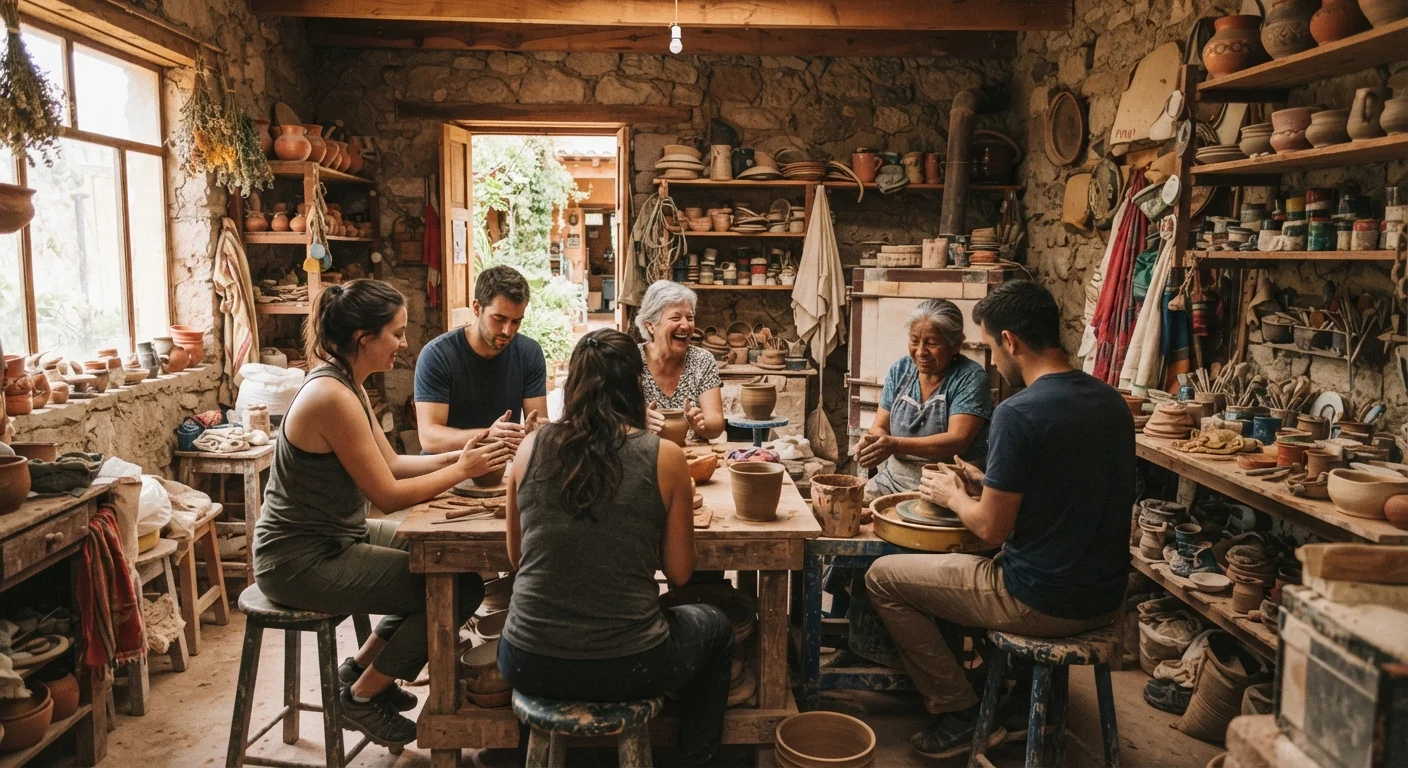
An immersive experience, by contrast, asks the traveler to do something - to participate rather than observe. A cooking class where you source ingredients at a local market, an afternoon working alongside a traditional weaver, a homestay dinner where conversation is the activity: these formats place the traveler inside the culture rather than in front of it. As explored in why experiences tend to stay with us longer than places, participation shapes memory differently than passive sightseeing does.
| Criterion | Guided Tour | Immersive Experience |
|---|---|---|
| Traveler's role | Observer and listener | Participant and collaborator |
| Pacing | Set by guide or itinerary | Organic, often open-ended |
| Primary value | Efficient information and access | Connection, memory, and cultural depth |
| Planning complexity | Low - typically bookable as-is | Higher - requires research and context |
| Group dynamic | Shared but mostly parallel | Often intimate and collaborative |
| Cultural sensitivity required | Moderate | High - especially for community-based formats |
| Predictability | High | Variable - uncertainty is part of the value |
Where the Lines Blur - and Why That Matters
The tourism industry has been quick to adopt the language of immersion without always delivering the substance. A bus tour that stops for a ten-minute "cultural demonstration" is not an immersive experience, no matter how the brochure frames it. True immersion involves reciprocity: the traveler brings genuine curiosity and some degree of vulnerability; the host shares something real about their daily life, craft, or community.
That distinction carries ethical weight. When the subject is indigenous or marginalized communities in particular, the difference between authentic exchange and performative display is significant - see what to look for before booking an indigenous cultural experience for a fuller treatment of those considerations.
Immersive travel also tends to require more from the traveler logistically. It rarely fits neatly into a single afternoon, often demands advance research, and sometimes involves navigating uncertainty about what exactly will happen. For travelers ready to embrace that, the rewards tend to be proportional. For those who need predictability - and there's nothing wrong with that - a well-run guided tour may simply be the more honest choice.
74%
Travelers preferring meaningful over sightseeing trips
A 2023 Booking.com Sustainable Travel Report found roughly three-quarters of global travelers wanted their trips to involve genuine cultural exchange rather than standard sightseeing.
3-5x
Memory recall advantage for active vs. passive experiences
Cognitive psychology research broadly finds that active participation encodes events more durably in long-term memory compared to passive observation of the same content.
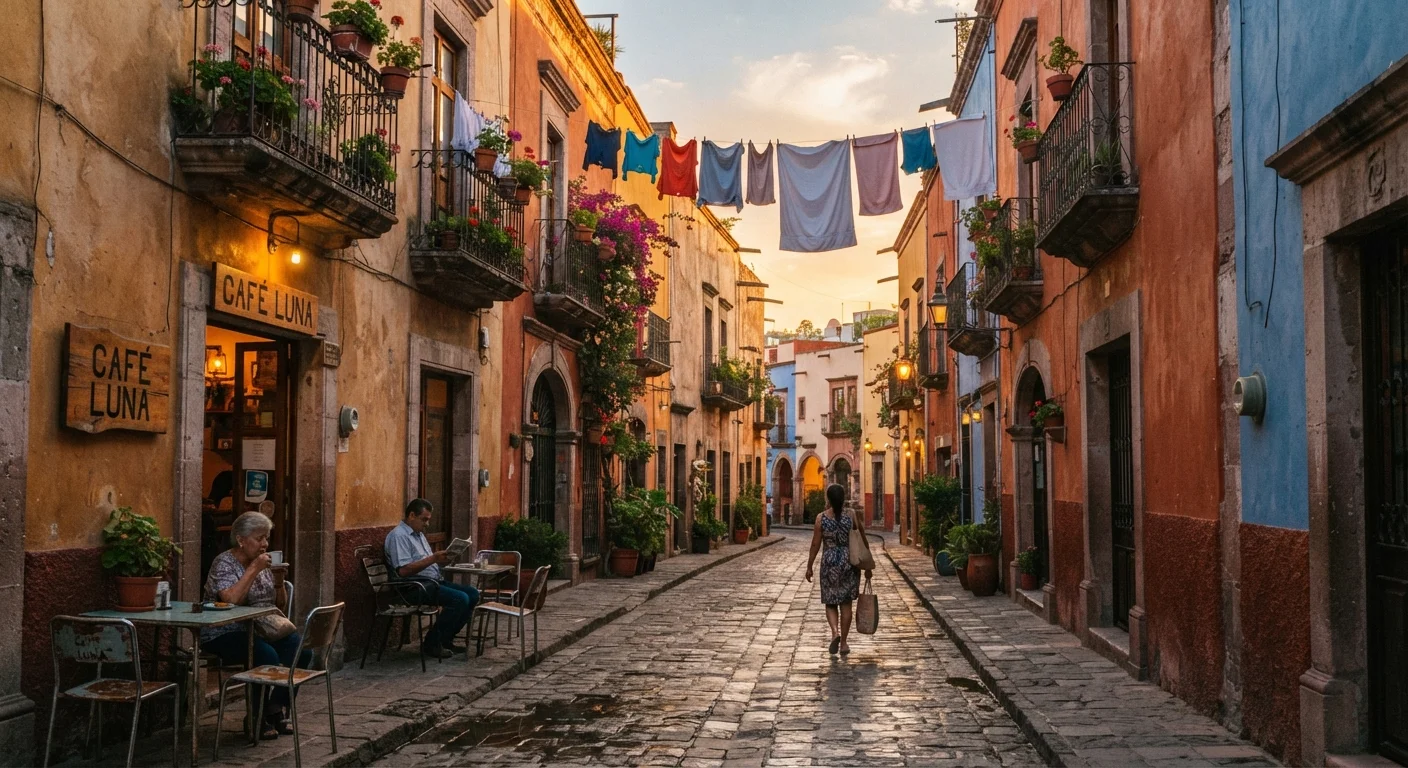
The two formats are also not mutually exclusive. Many experienced travelers use guided tours as orientation tools on arrival days, then carve out immersive activities for later in the trip once they have a basic feel for a place. Neighborhood immersion can even develop organically from the kind of curiosity a good guided tour first sparks.
If you're newer to structuring trips around experience rather than logistics, a roadmap to experience-driven travel can help you think through the planning process. And for a complementary lens on depth versus breadth, slow travel's philosophy of staying rather than sightseeing speaks directly to the same underlying question: what are you actually trying to get from travel?