What the Brain Actually Records When You Travel
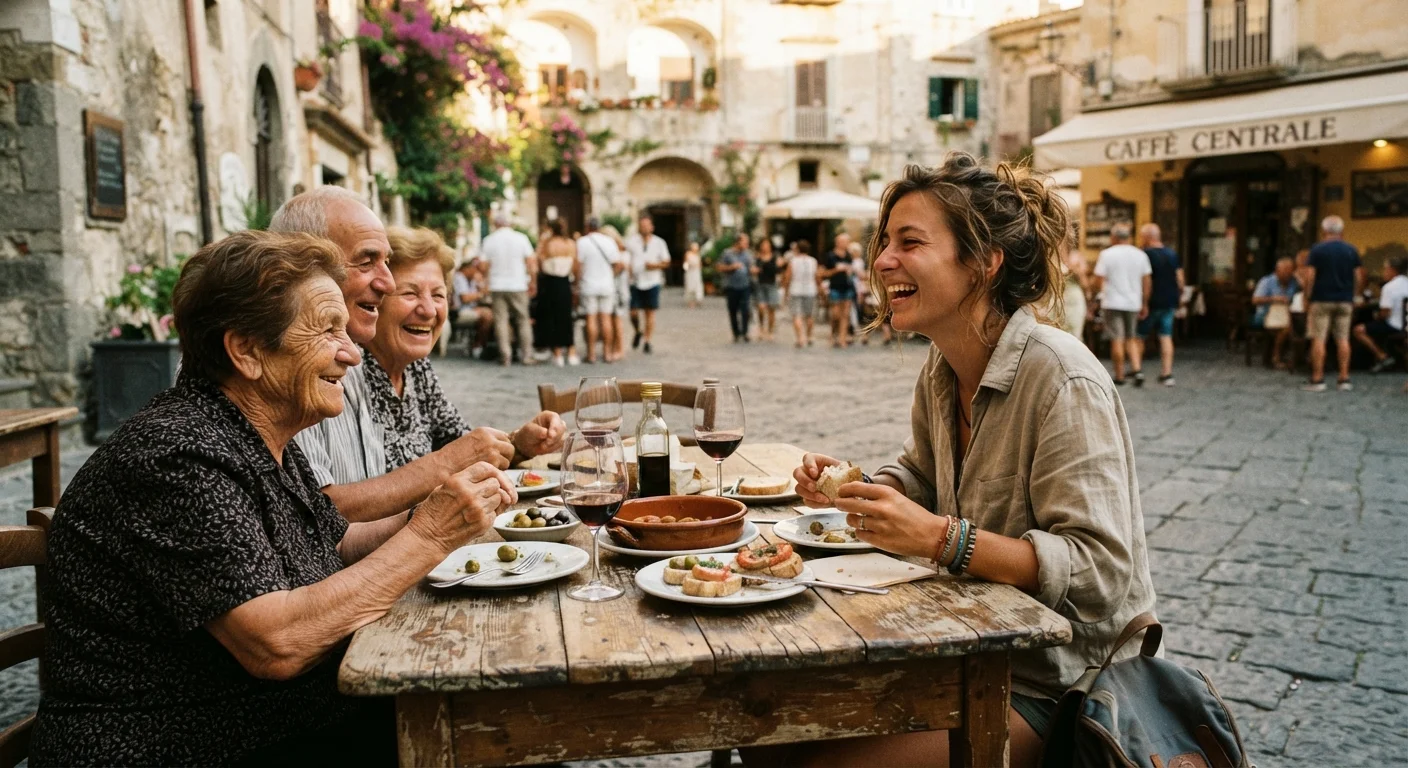
Think back to a trip that mattered to you. Chances are, what surfaces first isn't a skyline or a famous square-it's a feeling. The smell of smoke from a street grill. The laughter that broke out when you mispronounced something. A stranger's unexpected kindness at a train station.
This isn't selective nostalgia. It's neuroscience. The brain doesn't store experiences the way a hard drive stores files. Memory is reconstructive, and what gets reconstructed most faithfully is whatever carried the greatest emotional charge at the time. Landmarks, unless they're the backdrop to something meaningful, rarely make that cut.
The hippocampus-the brain region central to memory consolidation-responds particularly strongly to novelty and emotional significance. When you encounter something genuinely unexpected, or feel a real emotion in the presence of something new, that experience gets flagged as worth keeping. A cathedral you've seen a hundred times in photos offers the brain little that's truly new. A conversation you didn't expect to have offers quite a lot.
~22%
Memory recall reduction from photo-taking
Research published in Psychological Science found participants who photographed objects remembered significantly fewer of them than those who simply observed-a finding widely cited in memory and technology studies.
2x
Emotional events vs. neutral events in memory
Studies in cognitive neuroscience consistently show emotionally arousing events are recalled approximately twice as often and with greater detail than emotionally neutral ones.
The Holiday Paradox
Trips feel longer in memory than in real time
Psychologist Claudia Hammond's research on time perception found that novel, varied experiences compress in the present but expand in retrospect, making rich trips feel longer when recalled.
The Paradox of the Tourist Photograph
Modern travel is often mediated through screens. We photograph constantly, under the assumption that capturing an image is the same as capturing a moment. But a growing body of psychological research complicates that assumption significantly.
Studies have found that when people photograph objects or scenes with the intent to remember them later, they often recall less about the experience than those who simply observed it fully. The act of externalizing memory to a device can reduce the brain's own effort to encode it-what researchers call "cognitive offloading." You trusted the camera; your hippocampus took the day off.
This doesn't mean photography is worthless while traveling. It means the photograph of a famous tower is unlikely to be what you actually remember about standing there. What you remember is whether you were tired, who you were with, what you talked about, what you ate afterward. The image is a bookmark. The experience is the book.
“We don't remember days, we remember moments. The richness of life lies in memories we have forgotten.”
— Cesare Pavese, Italian novelist and poet
Why Participation Outlasts Observation
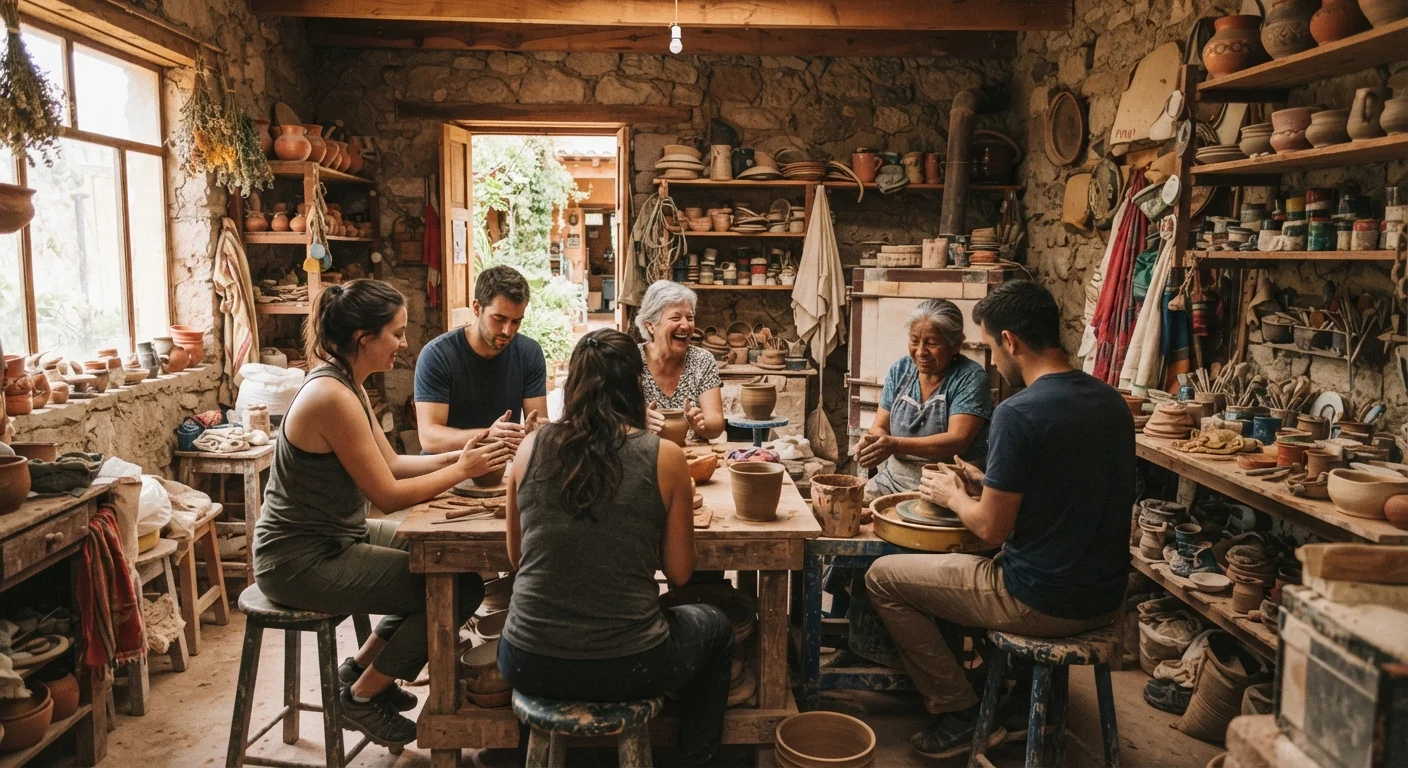
There's a meaningful difference between watching a cultural practice and taking part in it-and that difference shows up directly in memory. Participation engages multiple senses simultaneously, introduces social stakes, and often involves some degree of uncertainty or challenge. All of these are conditions under which the brain works harder to encode what's happening.
Immersive travel experiences are built on exactly this principle. When you're learning to make something, navigating a neighborhood without a map, or sitting down to eat with people who don't share your language, you're not a spectator. You're a participant in a story your memory will want to keep.
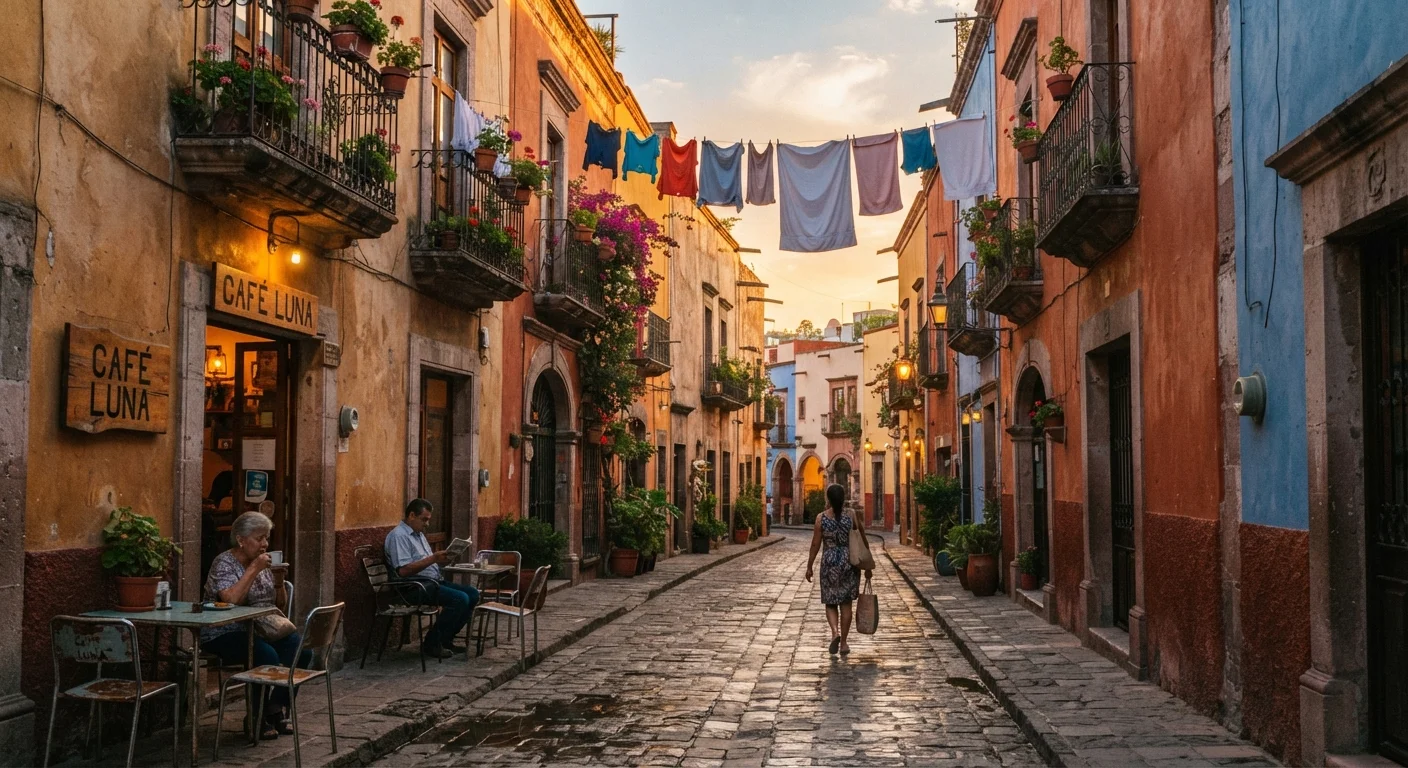
This is also why staying in residential neighborhoods rather than tourist centers tends to generate richer travel memories. The friction of ordinary life in an unfamiliar place-the corner shop, the morning routines, the sounds from adjacent apartments-creates a density of novel experience that tourist zones rarely match.
Engage Before You Photograph
When you arrive somewhere that moves you, resist reaching for your phone immediately. Spend a few minutes fully present-notice the sounds, smells, and sensations. Your brain will encode a richer, more durable memory than any image can hold. Photograph afterward if you want a record, but let the experience land first.
Designing Travel Around Memory, Not Itinerary
Understanding how memory works doesn't just explain the past-it can quietly reshape how you plan future trips. Psychologists who study the "holiday paradox" note that weeks packed with genuine novelty feel longer in retrospect than weeks of comfortable routine, even if they were the same duration in real time. More distinct experiences create more memory anchors, giving the brain more material to reconstruct when you look back.
Practically, this means that slowing down in fewer places often produces richer memories than rushing through many. It means building in unplanned time-the kind of buffer days that experienced travelers swear by-where unexpected experiences have room to happen. And it means choosing moments of active engagement over passive consumption wherever possible.
If you're curious about a destination you know little about, the unfamiliarity itself becomes a memory asset. Researching lesser-known destinations carefully before you go allows you to arrive prepared enough to participate-and surprised enough to remember.