The Gap Between 'Bookable' and 'Realistic'
When airlines build itineraries, they rely on what's called a Minimum Connecting Time (MCT) - an airport-specific threshold that marks the shortest interval considered operationally possible for transferring between flights. It exists to prevent obviously impossible bookings, but it wasn't designed to account for a delayed first flight, a long walk between terminals, or a security queue that stretches around a corner at 7 a.m.
The result is a familiar traveler frustration: a layover that looked fine in the booking tool turns into a sprint through an unfamiliar concourse, bags swinging, boarding pass crumpling in a sweaty hand. The MCT is a floor - not a comfort zone.
Understanding the gap between what's technically bookable and what's genuinely safe is one of the most practical skills any traveler can develop. It's also one that seasoned travelers quietly rely on when building itineraries.
~20%
US flights arriving late in a typical year
The US Bureau of Transportation Statistics consistently reports that roughly one in five domestic flights arrives behind schedule, underscoring why MCT-based connections carry real risk.
60-90 min
Average customs clearance time at major US hubs
Customs and Border Protection wait times at large international airports can reach 60-90 minutes during peak arrival windows, making this the biggest wildcard in international layover planning.
45+ min
Terminal transfer time at some major airports
At airports like London Heathrow or Dallas/Fort Worth, moving between terminals - particularly between international and domestic concourses - can take 45 minutes or more including security re-screening.
What Actually Eats Your Layover Time
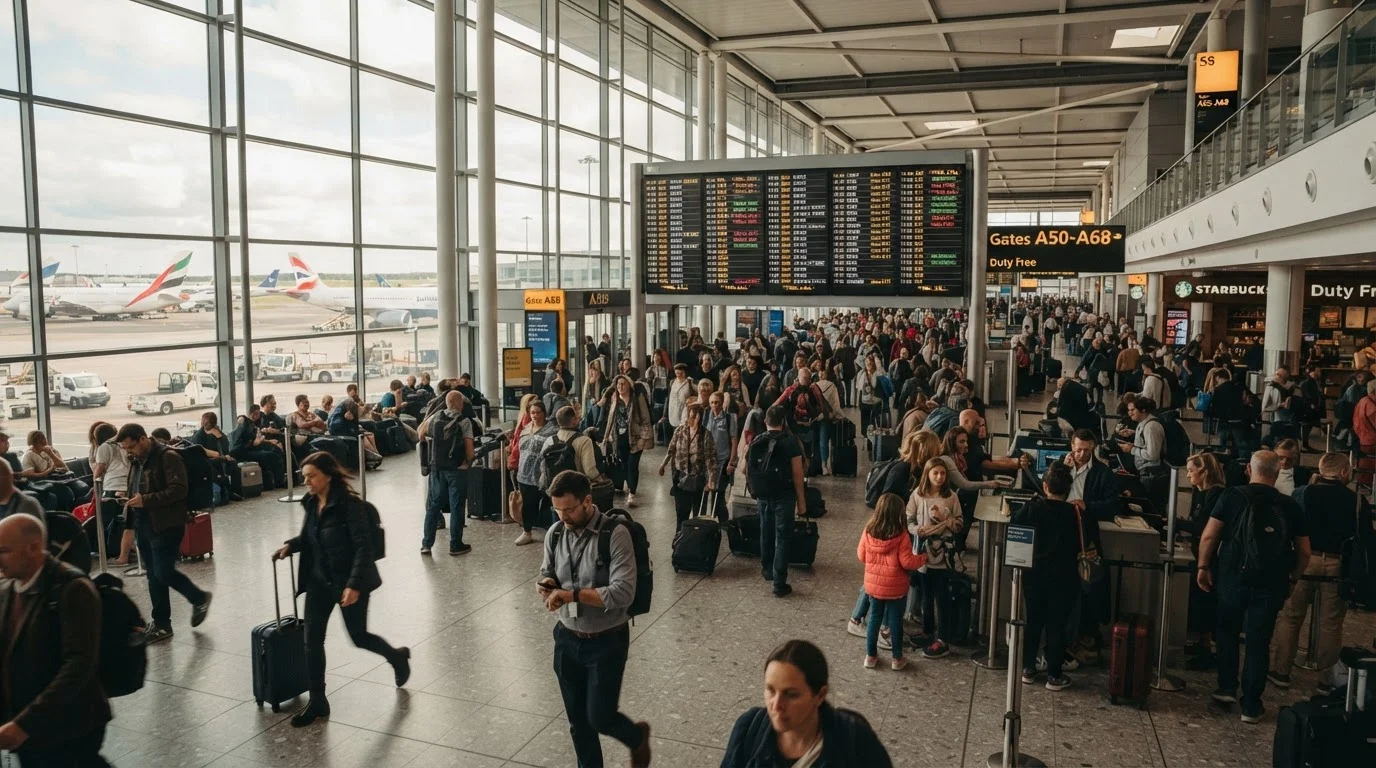
Time at an airport doesn't pass the way it does on a departure board. Several friction points can quietly consume your buffer before you've had a chance to locate a gate.
- Deplaning delays: You may land on time but sit on the tarmac waiting for a gate to open. Add time for passengers ahead of you to gather bags from the overhead bins.
- Terminal transfers: Some airports require taking a shuttle, train, or bus between terminals - and those connections don't always run on a tight schedule. At certain hubs, moving between international and domestic terminals means clearing a security checkpoint a second time.
- Customs and immigration: On international arrivals where you're entering the country - even briefly - you'll typically clear passport control, collect any checked luggage, pass through customs, and re-check bags before going through security again. This process alone can take 60-90 minutes during busy periods.
- Airport size and layout: A short connection at a large, multi-terminal airport is a fundamentally different experience than the same connection at a regional airport.
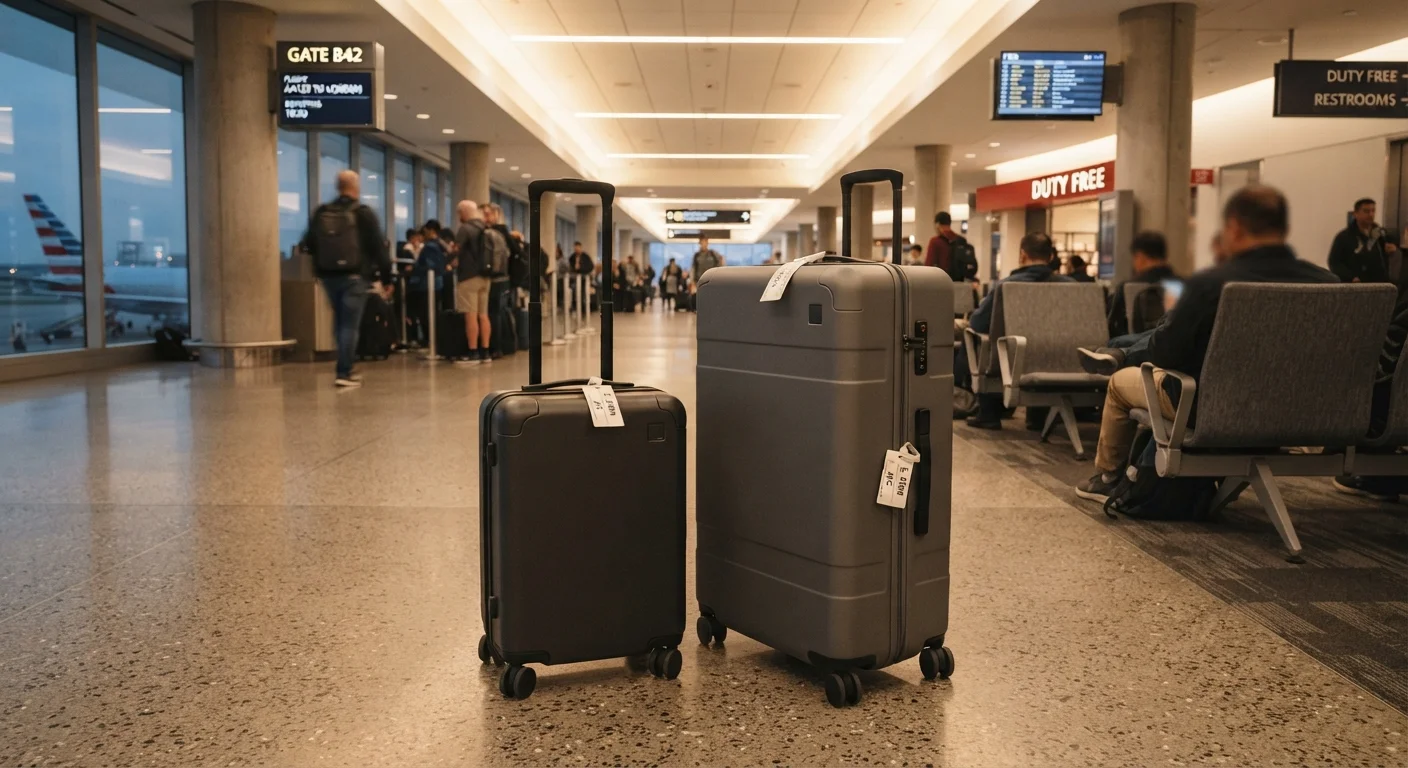
Traveling with carry-on luggage only removes the checked-bag variable entirely and is one of the most reliable ways to protect a short connection.
Look Up Gate Maps Before You Fly
Most major airports publish interactive terminal maps on their websites. Spending five minutes before your trip confirming which concourses your flights use - and how to move between them - can save real panic on the day. If your connection requires a terminal shuttle, note the estimated transfer time the airport publishes, not just the distance.
When Layovers Become Too Long
The opposite problem gets less attention, but it's real. A layover that stretches beyond five or six hours introduces its own complications - particularly if you're flying internationally on a single ticket but your second flight is on a separate booking.
Very long layovers can leave travelers stranded if an earlier flight is cancelled and re-routing options don't align with the independent second ticket. Fatigue compounds judgment errors: missed announcements, wrong gates, and slow security queue navigation all become more likely after hours of waiting.
For layovers over six hours, it's worth researching whether the airport has dedicated transit hotels or rest zones - some major hubs do, and the investment in a few hours of sleep can meaningfully reduce decision fatigue. It's also worth confirming visa requirements for the transit country; some destinations require a transit visa even if you never leave the airport. Always verify current entry requirements with official government sources before travel, as rules change.
Transit Visa Rules Vary Widely
Depending on your passport and the country you're transiting through, you may need a visa even if you never leave the international terminal. These rules change and vary significantly by nationality. Always check the official embassy or consulate website for the transit country - and the US State Department's travel pages - well before your departure date.
Building a Layover Strategy That Works
There's no universal answer to how long a layover should be, but there are useful frameworks. For domestic US connections, most travelers find 75-90 minutes workable at medium-sized airports; 90 minutes to two hours at major hubs. For international connections that don't involve entering the country, two hours is a reasonable floor. For those that do - where you'll clear customs and re-check bags - three hours or more is worth targeting.
When evaluating a specific itinerary, it helps to look up the airport's terminal layout in advance, note whether your two flights depart from the same terminal, and check recent on-time performance for the incoming flight. Delays are uneven across routes and carriers.
Pairing layover planning with a broader pre-trip review pays dividends. A solid pre-departure checklist surfaces these details before they become problems on travel day. Similarly, if your itinerary includes any international destination, verifying entry requirements and current conditions early can prevent unwelcome surprises at the gate.
The most effective layover strategy is the one built around reality rather than optimism. Shaving an hour off a connection might feel efficient - until the first flight lands twenty minutes late and the calculus changes completely.